 EN
Quick Answer
You can sometimes customize an existing shapewear style without developing a new pattern, particularly when the work concerns approved labels, tags or packaging. Color, material and construction changes require closer review because they can affect procurement, fit, samples and order conditions. Ask the supplier to classify the actual change rather than assuming every request described as white label is a minor adjustment.
Start with an identified platform and a numbered change list. For each request, record what stays the same, what must be sampled and which quantity or price assumptions need reconfirmation. The most manageable first launch preserves the product’s essential benefit while adding only the changes the brand can justify and approve.
What Must Be Identified Before You Customize an Existing Style?
An existing style needs a stable reference. Select the garment through S-Shaper’s catalogue or another clearly identified sample, then ask which material, construction, size chart and available variants define it. A photograph or generic category name leaves too much room for different interpretations of the baseline.
Describe why the platform suits the customer. If it already provides the relevant coverage and wearing behavior, brand presentation may be the main remaining work. If it does not meet an essential fit requirement, acknowledge that gap rather than disguising it as a small branding request.
Separate the feature you like from the feature you need changed. For example, useful waist coverage does not mean the leg opening is appropriate; an attractive neckline does not prove the torso length serves the audience. Mark the problem and intended improvement so the developer can assess the physical consequences.
Ask whether the baseline sample represents the version currently available for supply. A supplier may display a platform with several materials or revisions. Identify which one underlies the quotation and which one your testers will evaluate. The customization discussion should not begin with two parties referring to different garments.
Keep a baseline record and changes beside it. The founder should be able to compare the original and proposed product without relying on memory. This allows the supplier to explain when a request moves beyond presentation and helps the brand understand why a seemingly small visual adjustment may create additional development work.
Logo vs Packaging vs Color vs Structure: Which Changes Affect the Product?
Think in levels of change rather than one broad custom label. A tag or box may leave the physical garment unchanged while introducing component quantities and artwork approvals. A logo application may need review on the fabric. A new color or material can introduce sourcing and sample decisions. A changed neckline, panel or closure can affect construction and fit.
Discuss the methods on S-Shaper’s customization page against the selected platform. Ask which changes the supplier permits within that program, what proof is needed and which combinations require a different proposal. A list of available methods is not a commitment that all apply to every garment.
Supplier terminology does not eliminate these distinctions. One business may call an adapted platform private label while another calls it ODM. Request a practical description of the work, not a debate about the name. The order should define the product you expect to receive regardless of the label used for the service.
Do not assume changing presentation makes the underlying platform exclusive. If the design remains shared, explain your brand’s real differentiation through appropriate product guidance and service. If exclusivity matters, discuss the permitted use and restrictions as a separate subject.
| Change level | What may remain unchanged | What needs confirmation |
|---|---|---|
| Logo or label | Underlying platform if suitable | Application, placement, feel and component minimum |
| Packaging | Garment specification | Artwork, quantity, size identification and packing |
| Color or material | Some platform features | Availability, new procurement, sample and fit effects |
| Construction or proportions | Only approved unchanged elements | Pattern/assembly implications and physical validation |
When Can You Keep the Existing Pattern—and When Should You Ask Again?
A presentation-only change can leave the pattern untouched when the supplier confirms the proposed method works on the platform. That does not remove the need to review application, identifiers and comfort. The correct question is what physical work changes, rather than whether the brand can describe the request in a short sentence.
A different fabric may use the same named silhouette while changing how the garment stretches and behaves on the wearer. Ask whether the existing pattern still produces the required fit with the proposed material. Do not assume a pattern is independent of its textile simply because the outline looks similar in a mockup.
Neckline, leg-opening, rise and closure requests deserve technical review. A small dimension change can affect coverage, dressing or the relationship between panels. The supplier should explain what must be revised and which sizes require additional checks. Avoid treating a sketch edit as evidence that the modification is production-ready.
Clarify how the size range is affected. A change approved in one sample size may need a grading decision rather than identical alteration across every size. Ask which measurements and body proportions will be validated. The goal is not to demand unnecessary new patterns but to identify the work needed to preserve a credible product.
Write the answer into the change register. Record whether the platform remains unchanged, whether a revised technical record is required and which sample will authorize the result. If the answer is still conditional, keep the price and timeline conditional too. A founder should not approve production while the supplier is still evaluating whether the change can work.
For example, a founder may begin by requesting a lower neckline, a different fabric and a relocated label. Those are three decisions with potentially linked effects, not evidence of a three-item fixed-price package. Ask the developer to separate what can be reviewed on the current platform from what needs a revised sample. Then approve the combined result under the intended outfit. This keeps the visible simplicity of the request from concealing the technical work needed to make the proposed garment suitable.
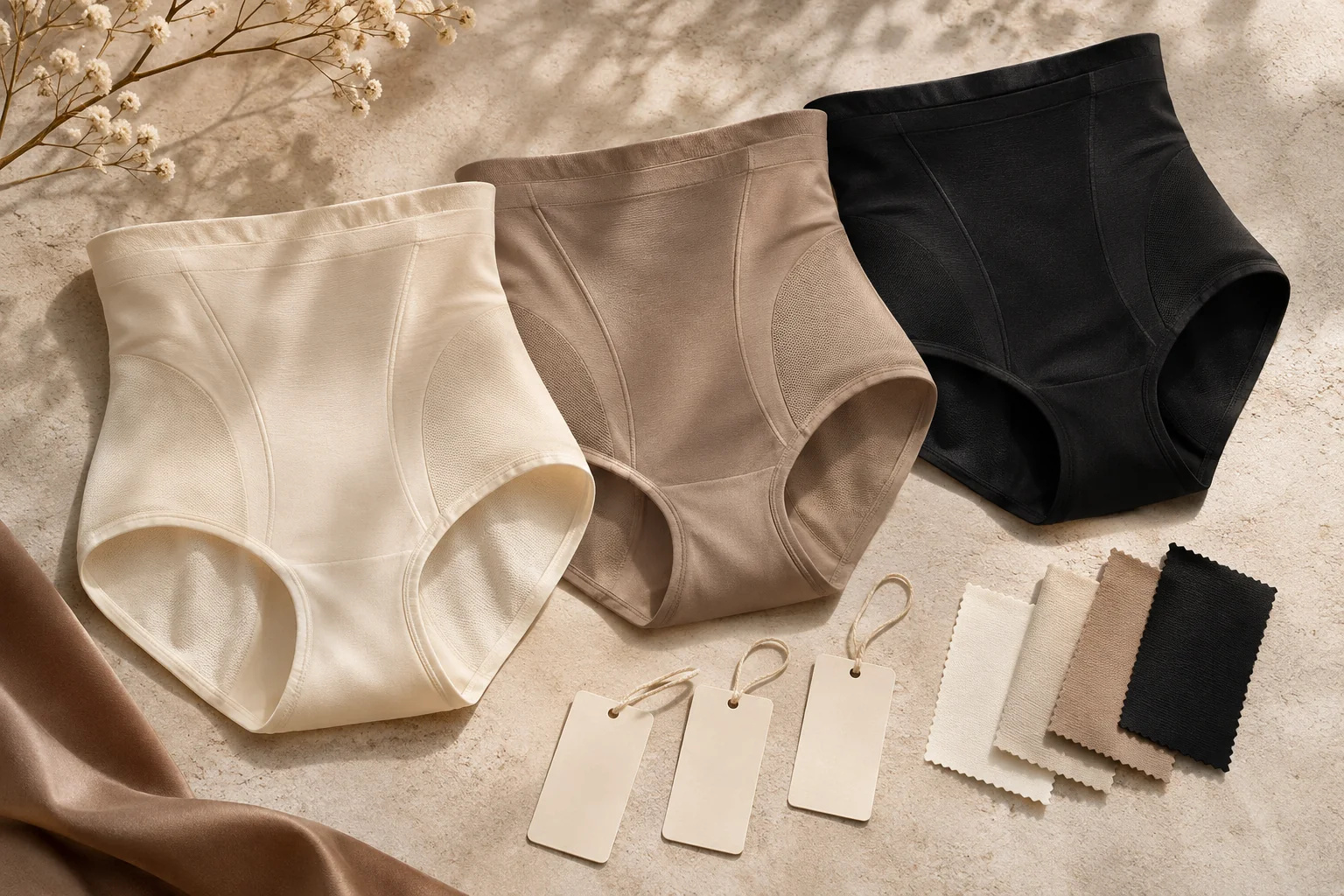
Illustrative sourcing and product-development scene. Click to continue the related buyer guidance.
How Do You Prevent Several Small Changes from Becoming an Uncontrolled Project?
Evaluate the changes together. A logo placement may seem simple until the waistband changes. A new package may need another size identifier after the range is revised. A color request may alter which material is available. Separate decisions can create a confusing combined product if nobody reviews their interactions.
Use a change register with the requirement, reason, affected parts, sample evidence, commercial effect and approval owner. Ask the S-Shaper development team to identify dependencies. A founder does not need to prescribe the manufacturing solution, but should understand which change can block another decision.
Prioritize essential outcomes before optional additions. If the first test is meant to validate a fit problem, avoid introducing several unrelated presentation changes simply because the supplier can discuss them. More customization can make feedback harder to attribute and increase the number of approvals the team must manage.
Stage the decisions when useful. Review the proposed material and fit before committing final product-dependent labels or photographs. Prepare concepts in parallel, then keep a final confirmation point once the garment stabilizes. This preserves progress without letting unfinished information enter production.
Keep the combined approval distinct from individual proofs. A correct label file and an acceptable fit sample do not independently demonstrate the correct finished branded garment. Ask what reference or record will show that the final version incorporates the approved choices together. That closes the gap between a collection of satisfactory parts and the product the customer receives.
| Change-register field | Example of the question it answers |
|---|---|
| Reason | Which customer or brand need justifies the change? |
| Dependency | Does it affect material, fit or component placement? |
| Evidence | Which sample or proof confirms the result? |
| Commercial effect | Does the current quote or minimum still apply? |
| Release | Who approves the combined current version? |
Which Channel Prices Can You Use When Customizing an Existing Style?
Use the channel snapshot as a baseline for product and selling-model comparison, not as a menu of customization charges. Basic seamless garments and structured fajas occupy different construction categories. A new label, material, shade or closure can change the scope of an existing platform even when the original product was available at a public B2B price.
| Channel / buying model | Observed USD per garment | Product and order basis |
|---|---|---|
| Amazon US seamless bodies | $12.38–$19.99 | Three brands; dated tracker offer prices, not live checkout |
| Value/mid-tier brand DTC | $29.99–$49.00 | Shapermint/Shapellx everyday bodysuit sale prices |
| TikTok Shop US seamless bodies | $21.99–$46.99 | FeelinGirl selected single-item offers; limited subset of platform |
| B2B seamless/platform bodies | $2.50–$12.85 | Seven supplier offers; MOQ 2–600; custom work and delivery not automatically included |
Finished-garment B2B bands are generally lower than consumer tickets, but they do not automatically include every modification. Amazon or TikTok Shop promotions can alter retail comparisons; B2C brand sites may support different materials, presentation and customer service. The entire gap is not a logo fee, nor proof that an apparently small design edit leaves the acquisition cost unchanged.
Ask for the baseline and proposed change quoted on the same garment, with sample and component work identified. Reconfirm minimums and material availability for the new version. Use consumer observations to investigate the resulting product proposition, while the supplier’s acknowledged change list and quote determine what your business is actually committing to buy.
US-facing USD per single garment, reviewed November 10, 2026. Amazon uses dated May–October 2026 third-party PriceHistory snapshots, not live November checkout. These selected-seller observations are not industry averages or matched-quality comparisons. Variants and promotions change; shipping and tax are not normalized. B2B bands describe advertised garments, not landed costs or a final custom-development quote. Sources: dated PriceHistory Amazon records, official brand/TikTok Shop pages and Made-in-China supplier listings.
Which Shapewear Manufacturers Should You Compare for Existing-Style Customization?
Compare the platform and work that each route actually offers. An adaptable own-label garment, a specialist occasion solution and integrated seamless production can all be relevant, but their permitted changes and preparation commitments need separate proposals.
China Shapewear Manufacturer: Classify Changes Before Quoting
China shapewear manufacturers offering platform selection and development can help identify which changes affect only presentation and which alter the physical garment, sample or procurement route.
S-Shaper
S-Shaper describes design, material recommendations, QA and export support for international brands. Ask the customization team to review a numbered list against one existing style, identify the methods that suit its fabric and state what requires ODM work. Public testing and starting-batch references remain item-specific, not permission for every combination of changes. Direct product tiers provide a budget baseline, while the actual label, color and construction scope needs a current quotation. Confirm material availability and the approvals that control dispatch, especially when several small requests interact.
France Shapewear Manufacturer: Adapt for the Wearing Occasion
France shapewear manufacturer or development proposals can be evaluated through the outfit result, distinguishing an existing invisible-lingerie solution from adaptations that change fit, coverage or brand presentation.
Gilsa Paris
Gilsa separates professional resale from own-label adaptation, specific development and packaging, with bridal and difficult-neckline expertise. An appropriate model may reduce unnecessary new work when the intended occasion is clear. Product-dependent minimums and separately scoped development are the trade-offs to investigate. Ask whether the change preserves the relevant function and how the final version will be approved. Confirm actual supply and replenishment conditions; French design or service does not establish the manufacturing origin of every item or automatic access to all modifications.
Turkey Shapewear Manufacturer: Check Seamless Process Compatibility
For Turkey shapewear manufacturers with integrated seamless facilities, a modified existing style should be reviewed through knitting, color and finishing requirements rather than a logo mockup alone.
SML Seamless
SML describes private-label shapewear from yarn through packing. That can provide a connected discussion of how a material, shade or branded finish enters the production route. Ask whether the proposed platform can accommodate the change without affecting the required grading and wearing behavior. Integration does not establish a universal MOQ, price advantage or development allowance. It is relevant when the concept fits the capability and a sample supports the actual modification; quote current material, component and dispatch conditions rather than inferring them from the country.
Choose the simplest confirmed change set that delivers the wearer benefit, then approve the complete version rather than isolated customization ideas.
How Should You Validate the Customized Version Before Production?
Keep a record of the baseline and revised versions so the review can identify what changed. Test the proposed improvement under the same relevant tasks used for the original platform. An uncontrolled comparison may attribute a difference to the wrong feature or miss an unintended consequence.
Check the rest of the garment as well as the edited area. A changed neckline may affect coverage or dressing; a material change may affect recovery or feel; a different label can affect comfort. Ask the supplier to identify the checks relevant to the actual modification rather than using a generic all-purpose test list.
Discuss the quality-assurance process and translate it into product-specific acceptance criteria. Confirm which sizes need physical evaluation and how the current measurement record reaches production. A single approved sample should not silently authorize an unexamined range or different material.
Reconcile the final specification, component proofs and quote. If a requested change was rejected or deferred, state that explicitly. The production team should not infer its status from an unanswered message. Keep only the current release files active, while preserving previous versions as history.
Review the supply and dispatch handoff with the final identifiers and packing requirements. The customized garment needs to remain recognizable in cartons and receiving records. A change can be technically successful yet operationally confusing if the old identifiers or customer photographs are still used after launch.
How Can S-Shaper Help You Scope Changes to an Existing Platform?
S-Shaper offers garment references, customization and OEM/ODM support that can help a founder compare an existing-style route with deeper development. The useful starting point is a selected platform and a clear reason for each proposed change, rather than a request to customize everything under one unexplained minimum.
Send the product reference, wearer problem, target market, numbered changes and quantity matrix. Ask the team to classify presentation, material and construction work, identify sample or proof stages and confirm the commercial consequences. The order FAQ can guide initial questions, while the actual scope must be confirmed for the item.
Then request an existing-style customization review from S-Shaper. Compare the proposed route with what the first test needs to establish. A relevant manufacturing response should make the boundaries clearer and help the brand choose a change set it can validate, finance and support consistently.
FAQ: How Far Can You Customize an Existing Shapewear Style?
Can I customize an existing style without a new pattern?
Sometimes, especially for scoped presentation changes, but the supplier must confirm the physical work. Material, proportion and construction requests can affect fit or require technical revision. Ask which sample or proof will establish the result rather than assuming the term white label defines the boundary.
Are color changes always minor?
No universal rule is established. A selected available shade and a new material-color program can have different procurement and approval conditions. Ask what is available, what must be prepared and whether the proposed version changes the fit or care evidence needed.
Can I combine several small changes in one order?
Potentially, when the platform and program support them. Review their interactions, required samples, components and quantities together. Several individually simple ideas can create an unexamined combined version if the final approval does not reconnect the decisions.
Will the public product price include my changes?
Only a current quotation can establish the inclusions. Use the listing as a dated baseline for its specific product and tier, then ask whether material, branding, development or delivery work changes the proposal. Keep unquoted commitments visible.
What should I approve before production?
Approve the identified garment version, material, measurements, variants, components and relevant acceptance record. Reconcile those choices with the current quote and dispatch instructions. Deferred or rejected changes should be stated clearly so nobody treats an unfinished request as authorization.