 EN
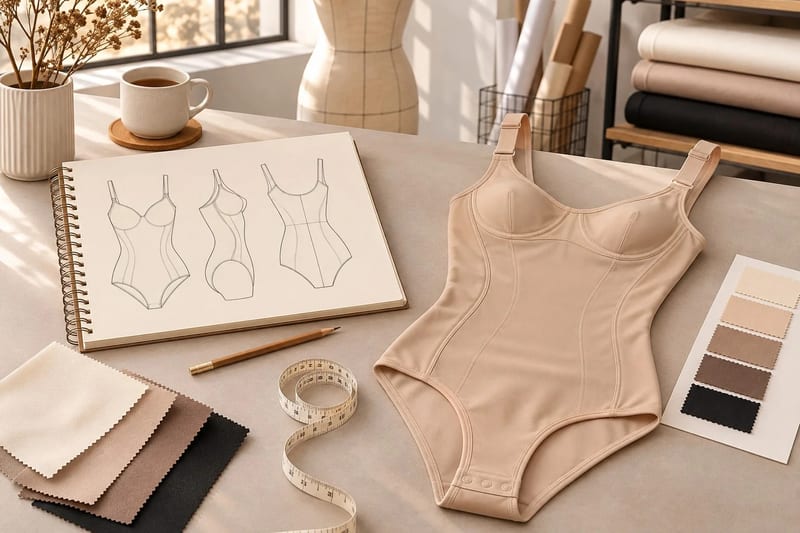
Quick Answer
Yes, you can start a shapewear brand without design experience by using an existing product platform or working with a supplier on ODM development. Your starting brief can use reference garments, target-wearer information and clearly described changes instead of a finished technical pack. The supplier should explain how that brief becomes a sample and an approvable specification.
You still need to make the brand’s product decisions: who it serves, how it should fit, which trade-offs are acceptable and what you will approve for production. Manufacturing support can help translate your idea; it cannot independently prove customer demand or choose your promise for you. Begin with one manageable garment and a written division of responsibilities before expanding the collection.
What Should a Founder Without Design Experience Put in a Product Brief?
Describe the wearer and the wearing problem before describing a style. For example, a founder might want smoothing shorts that stay comfortable during a seated workday. That statement creates questions about rise, waistband feel, leg opening and visibility under clothing. “Make a premium product” creates no comparable test. The brief should tell a development team what success would look like in use.
Include a reference garment or clear photographs, but explain why you chose it. Separate features you like from features you need changed. You may like the coverage while disliking the closure, or like the fabric feel while needing a different torso length. A reference is a communication tool, not permission to copy another brand’s protected work or claim its performance.
Add the launch country, intended retail position, size range, approximate quantity and branding needs. State which assumptions remain untested. If you do not know fabric composition or construction terminology, describe the desired feel and ask the supplier to propose options with explanations. Compare those proposals physically rather than selecting the most impressive phrase.
Use S-SHAPER’s product catalogue to identify a concrete starting category such as briefs, shorts or a bodysuit. Then ask whether an available platform can address your need. Starting from a relevant existing garment can reduce the number of decisions that must be invented at once.
Keep the first brief to a usable document, with supporting images attached separately. Number the requested changes and give each a reason linked to the customer. That helps a supplier distinguish essential requirements from visual preferences and identify the changes likely to affect sampling or order conditions.
| You know | Translate it into | Evidence to request |
|---|---|---|
| The wearer dislikes rolling edges | Waistband and leg-opening review | Movement trial notes and construction proposal |
| The product must work under officewear | Visibility and coverage requirements | Sample worn under intended outer clothing |
| The reference feels too restrictive | Desired support feel | Comparable material and fit samples |
| The brand needs its own presentation | Label and packaging brief | Artwork and branding approval proof |
Private Label vs ODM vs OEM: Which Route Requires the Least Design Preparation?
Choose the route based on what you already have and what needs to change. An existing-style private-label project begins with a garment the supplier can identify. ODM adds supplier-assisted development from an idea or reference. OEM generally expects a more defined client design and specification. Individual suppliers use these terms differently, so ask what documents and decisions each route requires.
The S-SHAPER OEM/ODM page distinguishes client-design production from concept-led development and describes design, material recommendation, sampling and revision support. That makes it a relevant starting point for a founder without an in-house technical team. Confirm who prepares the actual specification and which development work the proposal covers.
The route requiring the least design preparation is not automatically the one with the lowest eventual risk. An existing product that fails your customer’s main fit need may be a poor shortcut. Equally, a custom design with many untested details can create unnecessary revision work when a simpler platform would solve the problem.
Ask a supplier to show a practical next step for each option: which sample can be sent, what questions must be answered and what changes require additional development. Compare the scope and the evidence you will receive. Avoid choosing a route merely because “fully custom” sounds more credible for a new brand.
| Route | Useful starting input | Founder still approves |
|---|---|---|
| Existing-style private label | Selected supplier garment and branding brief | Fit, material, size chart and branded components |
| ODM development | Wearer problem, reference and intended changes | Design proposal, samples and final specification |
| OEM production | Defined design and technical information | Manufacturing interpretation and approved reference |
| Independent designer plus factory | Separate design commission | Designer deliverables and factory handoff |
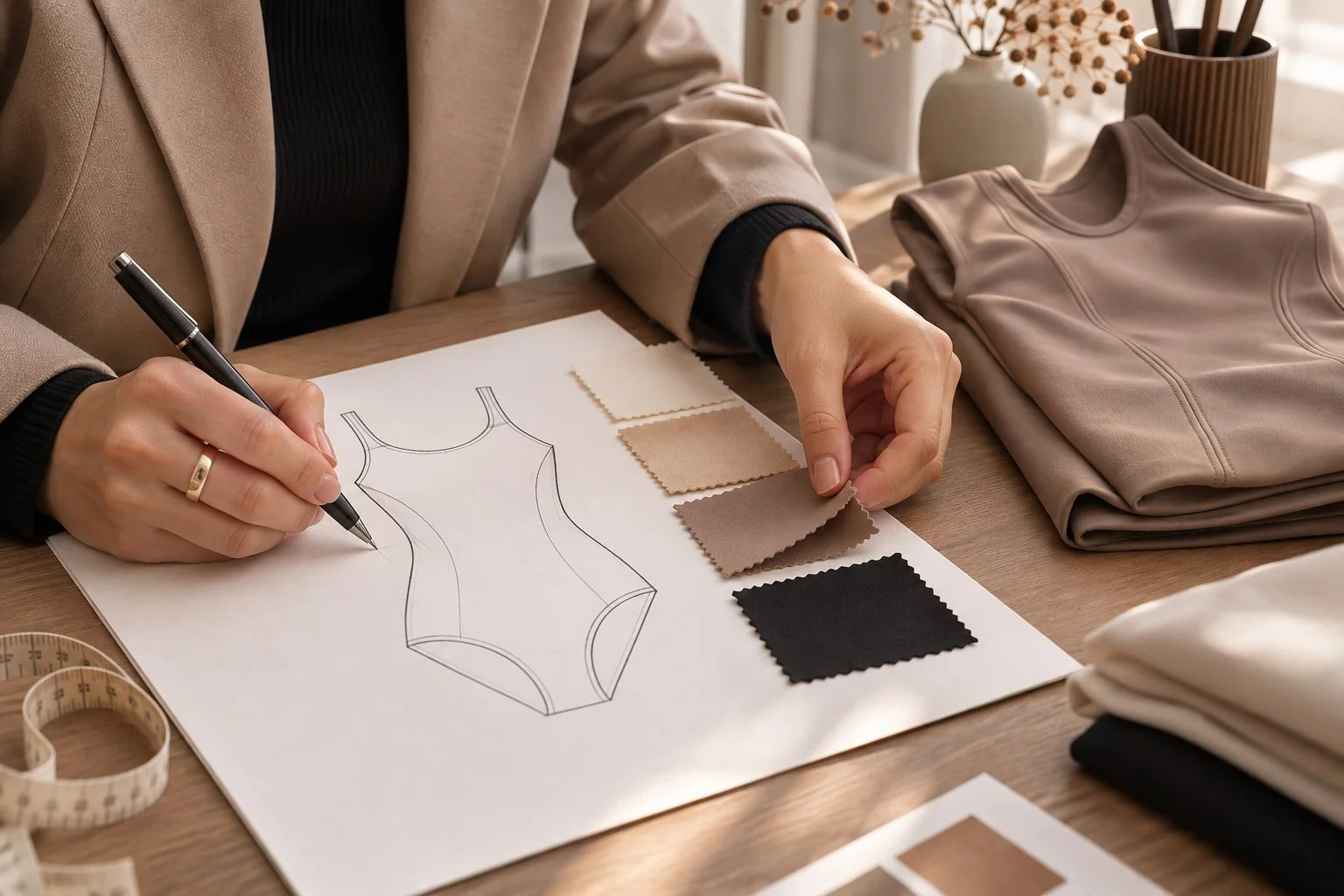
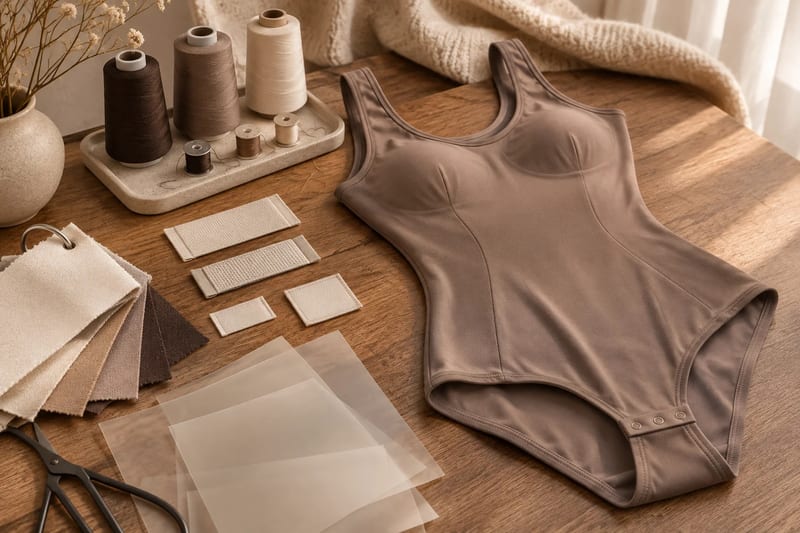
Illustrative design communication. Learn how to describe material and fit needs without a completed tech pack.
How Can You Discuss Fit and Materials Without Technical Vocabulary?
Use a repeatable observation instead of an unsupported technical conclusion. Say that a waistband folds when a tester sits, rather than deciding that the factory must add a particular component. Describe where it happens, on which size and body measurements, and after which movement. Ask the developer to explain possible causes and the sample change it recommends.
For material selection, compare samples under the same conditions. Record opacity, surface feel, stretch direction, recovery and the appearance under outer clothing. Ask for the composition and relevant supplier information. A high elastane percentage alone does not prove comfort or a particular compression result, because construction and fit also affect the experience.
Create a small vocabulary sheet with the supplier’s agreed terms and photographs. Include front rise, back rise, waistband, leg opening, gusset, torso length and measurement points relevant to the garment. The aim is consistent communication, not instant expertise. Keep body measurements separate from garment measurements and identify the unit used.
Discuss S-SHAPER’s material and sizing customization through actual sample options. If the team proposes two fabrics, ask what problem each addresses and whether either changes the development scope or minimum quantity. Approve the selected option in writing with its identifier rather than referring later to “the softer fabric.”
Avoid marketing claims that the development process has not established. If you want to describe comfort, test comfort with the intended users. If you want quantified performance, ask what product-specific evidence would support that statement. Product names and attractive demonstrations do not establish clinical or weight-loss effects.
What Should Your First Sample Review Look Like?
Review the sample against the brief before reacting to its overall appearance. Confirm which version arrived and whether it uses the proposed production material. Photograph the front, back, openings and relevant details. Measure the agreed points using the supplier’s method, then record the results beside the proposed specification.
Arrange fit trials with people whose body measurements reflect the intended audience. Use consistent tasks: dressing, sitting, walking and wearing the sample under the relevant outer garment. Ask open questions about pressure, movement, coverage and convenience. Record negative feedback as carefully as positive feedback; the useful outcome is an actionable change list.
Group comments by importance. A closure that cannot be used comfortably is a functional issue. A packaging color preference is a presentation issue. Send a numbered revision list rather than scattered messages, and ask the supplier to respond to each point. Keep superseded versions so you can check whether a later revision solved the original problem without introducing another one.
Use the S-SHAPER quality process to discuss the checks appropriate to production, but agree your own order-specific criteria. Decide which sizes require additional physical review and what evidence will be available for the rest. A first sample is an input to approval, not automatic authorization to manufacture the whole collection.
Finish with one of three decisions: approve the identified version, request a specific revision or reject the platform as unsuitable. If the sample is unsuitable, document why. That learning helps the next proposal and prevents repeated rounds with no clearer definition of success.
Which Price Ranges Help a Founder Scope Development Without Design Experience?
Use the channel observations as orientation for the type of product you want to create, not a substitute for technical preparation. A founder without a tech pack should distinguish an available seamless platform from a structured garment and separate standard bulk supply from supplier-assisted development.
| Channel / buying model | Observed USD per garment | Product and order basis |
|---|---|---|
| Amazon US retail bodies | $12.38–$35.14 | Seamless/lighter bodies $12.38–$19.99; Structured bodies $35.14–$35.14. |
| Brand DTC bodies | $29.99–$148.00 | Seamless/lighter bodies $29.99–$78.00; Structured bodies $69.00–$148.00. |
| TikTok Shop US bodies | $21.99–$54.99 | Seamless/lighter bodies $21.99–$46.99; Structured bodies $39.99–$54.99. |
| B2B advertised OEM bodies | $4.25–$8.30 | Rihope/Shangyou garment offers; listing MOQ 600/100; own-design terms reconfirmed |
| B2B custom shiny-fabric example | $22.00–$23.00 | Hucai FOB garment example, MOQ 200; a different fabrication; development fees unconfirmed |
US-facing USD single-garment observations reviewed November 10, 2026; variants, retail promotions and shipping/tax differ. Amazon uses May–October 2026 tracker snapshots, not live November checkout. These selected samples are not industry averages or matched constructions. B2B advertisements are not landed costs or final custom quotes. Deeper development needs separate specifications, deliverables and an itemized quotation.
Compare a relevant consumer sample with the wearer problem and ask what must change. Brand-site pricing may include the value of an established identity, product explanation and service; B2B commonly prices inventory for a buyer who will supply those functions. An ODM proposal adds a defined development responsibility that may sit outside a ready-goods tier. Ask S-Shaper which material, measurements and samples it can prepare and what your approval must cover. Keep technical work separately quoted instead of copying a consumer price or treating every B2B offer as production-ready.
Which Shapewear Manufacturers Should You Consider for Founders Without Design Experience?
Compare shapewear manufacturers in China, Canada, Portugal and Turkey for supplier-assisted product development. The recommendations below connect country-level capabilities with specific suppliers and the work your brand needs.
China Shapewear Manufacturer: Translate the Brief into a Feasible Platform
China shapewear manufacturers with concept-led development can translate wearer references into platform choices; founders still need understandable sample decisions rather than an undefined promise to design everything.
Recommended China Supplier: S-Shaper
S-SHAPER describes material and style recommendations, concept-led ODM and specialists across design, production, QA and export. Its experience with several global customer regions can inform questions about the intended market without replacing your own wearer research. For a founder with references rather than a tech pack, ask the team to explain the available platform and essential changes in plain language.
Factory-direct quantity tiers and conditional small-order routes can make the product conversation concrete, but technical support and revisions require a defined proposal. Do not assume that a 10-piece testing statement covers full design development. This route fits a founder who can describe the problem and approve samples, while needing help converting those decisions into manufacturing information.
Source: S-SHAPER OEM/ODM and global-brand support.
Canada Shapewear Manufacturer: Discuss Pattern and Grading with a Technical Team
Canada shapewear manufacturer models combining local pattern expertise with overseas production may help nontechnical founders; establish who converts fit observations into the next documented garment revision.
Recommended Canada Development Partner: Hertex
Hertex identifies Montreal-based design, pattern work, grading and quality control alongside China production. That combination is relevant when you need a technical person to consolidate comments or interpret a fit issue before it reaches manufacturing. Ask how the team would record torso, rise or proportion changes and identify the resulting sample version.
Startup acceptance and the cost of that support are not established by the company description. Request deliverables and the handoff responsibilities, rather than assuming a local office means a locally made garment or ready inventory. It suits a founder needing structured technical communication, provided the project can support both that work and the manufacturing arrangement. Final product decisions still need the founder’s approval.
Source: Hertex Montreal development with China production.
Portugal Shapewear Manufacturer: Use Research Capability for a Defined Technical Gap
Portugal shapewear manufacturer research capabilities suit a clearly stated material or construction problem; beginners should define the question before funding technical work beyond an available garment.
Recommended Portugal Supplier: Impetus
Impetus describes its own research team, external technical collaborations and seamless and cut-and-sew development. This Portuguese example becomes useful when your idea needs more than selecting a fabric from stock. Ask what material or construction question the team would investigate and how its work would become a sample you can assess.
Research capability does not establish a beginner package, small minimum or free development. Laboratory work and material sourcing may add commitments before production. This route suits a founder with a clear functional requirement and budget for scoped technical work. It is less suitable as an open-ended attempt to discover the brand idea after development starts; interviews should first establish the customer problem that warrants the investigation.
Source: Impetus research and development.
Turkey Shapewear Manufacturer: Develop Around a Relevant Seamless Process
Turkey shapewear manufacturer options built around seamless integration can connect yarn, knit and finish explanations; request a relevant sample that makes those technical choices understandable.
Recommended Turkey Supplier: SML Seamless
SML documents integrated Turkish private-label shapewear and activewear production from yarn to packed goods. For a beginner focused on seamless shorts or briefs, one process conversation can help connect yarn, knit, color and finish decisions. Ask the team to explain which available route matches your reference and what changes need further sample work.
Integration does not remove the need to test opacity, recovery, edge comfort and graded fit. Minimums and custom color conditions require quotation, and no national low-price assumption is justified. This route fits a nontechnical founder whose concept already points to seamless construction and who can maintain a clear change list. Request understandable material identifiers and sample records so the factory’s expertise becomes a decision you can review.
Source: SML Seamless integrated private-label manufacturing.
Begin with the supplier whose proposed deliverables close your actual knowledge gap, then retain ownership of the wearer brief, fit evaluation and final approved version.
When Should You Hire a Designer or Technical Specialist Instead?
Bring in a specialist when the product requirement exceeds the support a supplier has agreed to provide. Examples include a difficult fit problem, a distinctive construction, a broader graded range or a need for technical documents you can use across suppliers. Ask for a defined deliverable rather than hiring someone simply to make the idea feel more professional.
An independent designer may help separate the product brief from a particular factory’s available platforms. A technical specialist may help evaluate measurements, patterns or sample comments. Those roles should connect to the manufacturing process: who answers the factory’s questions, who updates the specification and who approves the final reference?
Avoid duplicate or conflicting instructions. Choose one person to consolidate comments and maintain the current version. If a designer changes a specification, send the updated file with a change summary and withdraw the superseded version. The factory should not have to decide which of several messages represents the brand’s instruction.
Before expanding, ask whether you can describe your first approved garment clearly enough for another qualified person to review it. If the product exists only in conversations and memories, strengthen the documentation. A founder can lack design experience and still run a disciplined approval process; that discipline is what makes outside expertise useful.
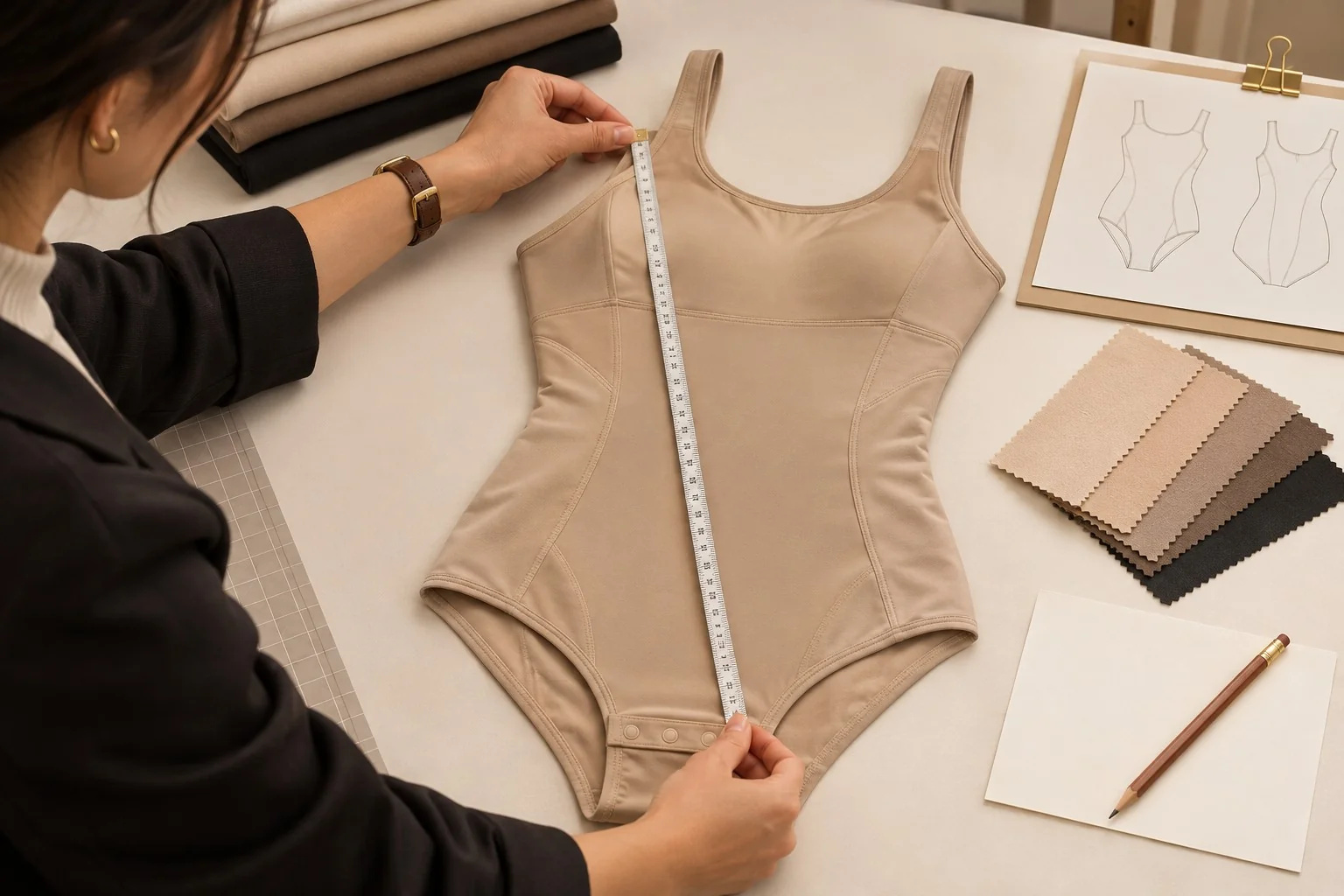
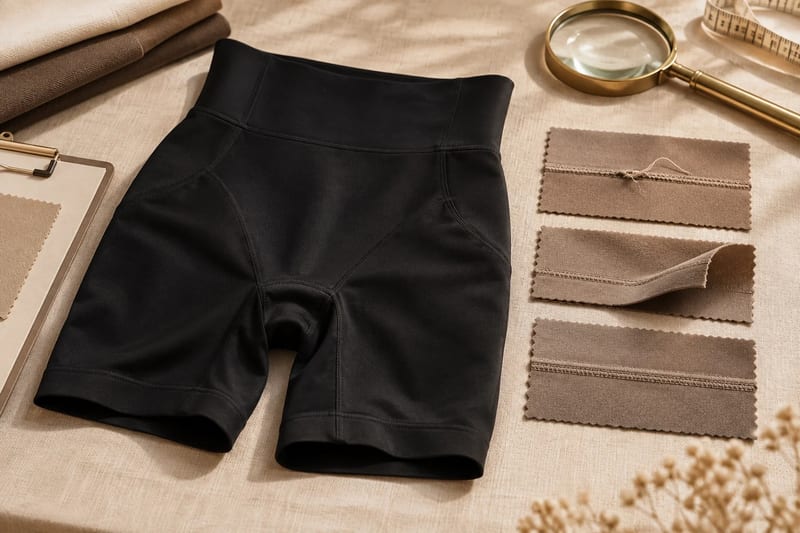
Illustrative technical review. Explore supplier-assisted development for your first product.
How Can S-SHAPER Support a Founder Who Has an Idea but No Tech Pack?
S-SHAPER presents supplier-assisted ODM development alongside OEM and private-label services. Its public service scope includes concept development, material recommendations, samples and revisions. For a founder starting without a technical pack, that creates a relevant conversation about how much of the product can begin from an existing platform and what needs further development.
Send a clear first brief with the target wearer, reference images, intended country, size direction and approximate order quantity. Ask what information the team needs next, which documents it can prepare and how sample comments will be recorded. Review the factory introduction and confirm the people responsible for your project.
Then request a scoped development discussion with S-SHAPER. The useful result is a proposal connecting your idea to a particular sample route, responsibilities and commercial conditions. Keep your own customer testing and final approval role visible throughout the process; supplier support works best when both parties know which decisions they own.
FAQ: Starting Without Design Experience
Can I start a shapewear brand without design experience?
Yes. Existing-style private label and supplier-assisted ODM can provide practical starting routes. You need a clear wearer problem, a manageable first product and a process for approving samples and specifications. The supplier can assist development, while you remain responsible for your brand’s product decisions.
Do I need a finished tech pack before contacting a manufacturer?
Not for every route. Some suppliers can begin from a reference and brief, while others require detailed technical information. Ask what documents the proposed service includes and what you must provide. Confirm that the final approved specification will exist before production starts.
Can I use another brand’s product as a reference?
A reference can help communicate coverage, feel or construction preferences. Explain what you want to learn or change, and discuss your own development rather than assuming permission to copy protected work. Ask the supplier how it will create an appropriate product proposal.
How many sample revisions should I allow?
There is no universal number established by these sources. Agree the included scope, revision charges if any and approval criteria with the provider. Each round should answer a defined question. Repeated revisions without a clearer brief are a reason to reassess the platform or technical support.
What is my first practical step?
Write a short brief around one wearer problem and one garment. Attach clear references, identify essential changes and disclose the decisions you have not made. Request a sample-development proposal, then compare the support and evidence offered before committing to production.