




Choosing the right backless corset shapewear manufacturer is one of the most decisive factors for Japanese bridal boutiques and salons working with low-back and 背中開き wedding gowns. The conclusion is straightforward: success depends on partnering with a supplier that understands Japanese bridal aesthetics, precise fit expectations, discreet support structures, and the operational realities of salon-based fitting and alteration. When these elements align, backless shapewear becomes a value-adding product rather than a risk.
This article explains how Japanese salons can evaluate backless corset shapewear programs, from pattern logic and materials to OEM development flow and in-store support. If you are planning a private label or exclusive OEM line, you are invited early on to contact our team to discuss Japan-focused product planning, sampling, and scalable production with a partner experienced in precision shapewear manufacturing.
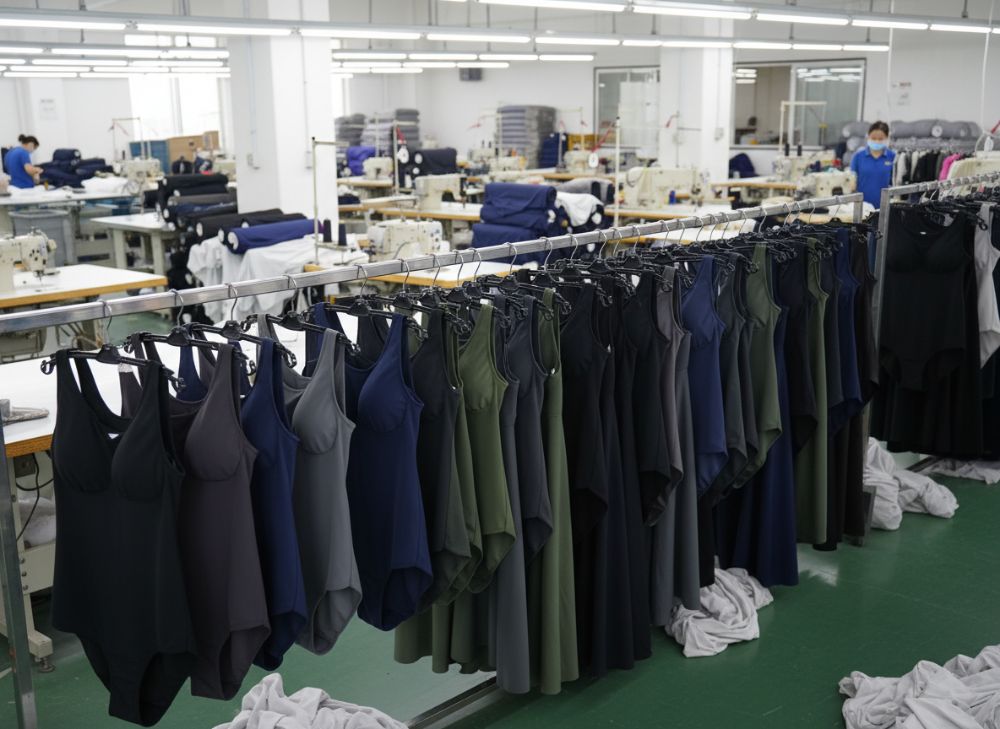
Backless corset shapewear for Japanese low-back bridal gowns
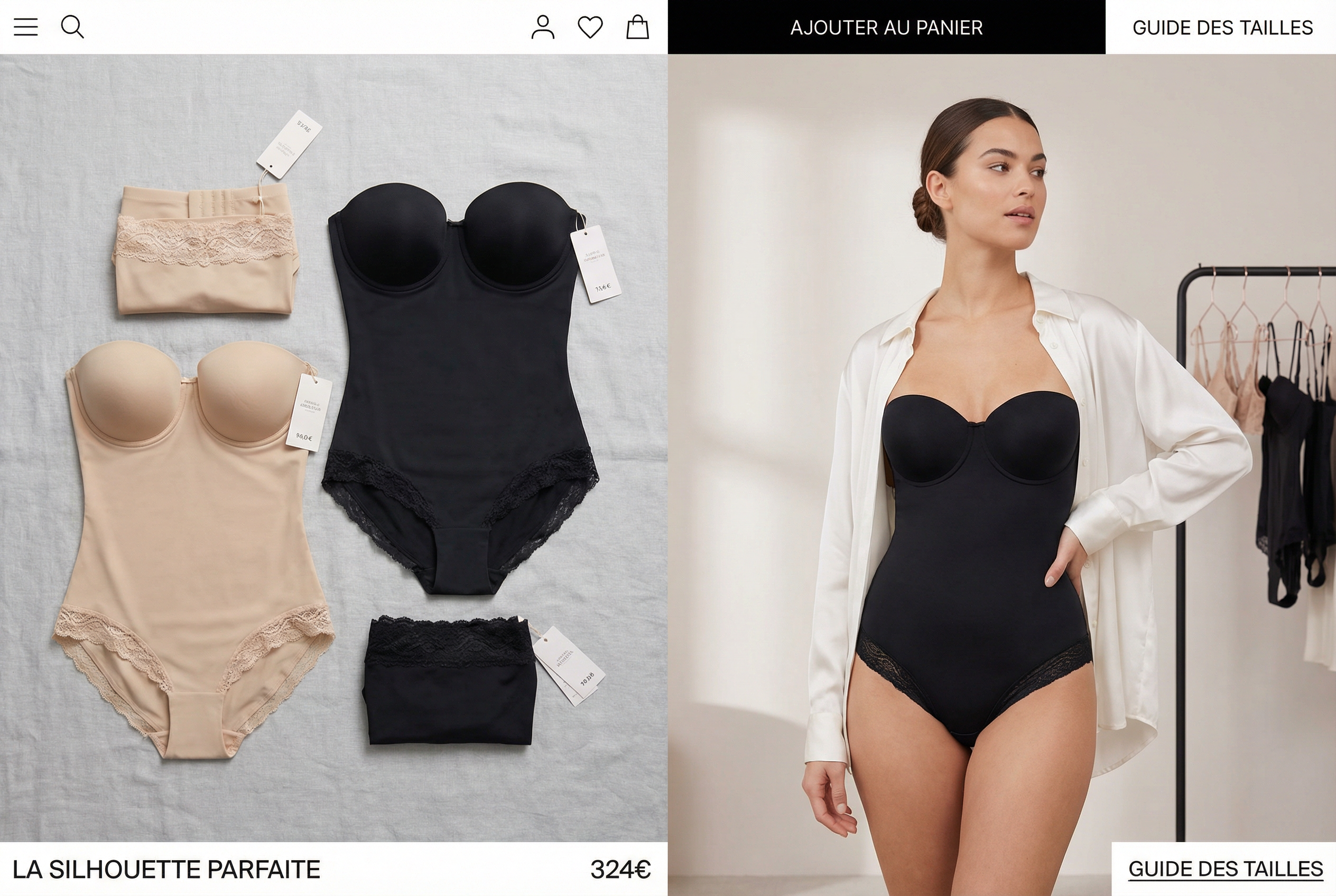
The Japanese bridal market places exceptional emphasis on elegance from every angle, especially the back view. Low-back and deep V-back gowns are common across imported European designs and domestic collections, making backless corset shapewear a functional necessity rather than an accessory. For salons, the goal is to provide shaping that enhances posture and waist definition without interfering with delicate backlines or lace detailing.
A professional backless corset shapewear manufacturer approaches this category differently from standard shapewear. Structural support is redistributed toward the waist, abdomen, and lower torso, while the back panel is minimized or engineered with ultra-low anchors. For Japanese brides, this balance is particularly important because gowns often use lighter fabrics and closer silhouettes that reveal any bulk or edge.
From a business perspective, offering a salon-approved backless corset solution increases gown sell-through and reduces last-minute fitting stress. Brides feel more confident during fittings, and stylists gain control over silhouette outcomes without altering the gown itself. This is why many Japanese boutiques now treat backless shapewear as part of their core service package rather than an optional upsell.
Shapewear patterns for 背中開き wedding dresses and salons in Japan
Pattern engineering is the foundation of successful backless shapewear. For 背中開き wedding dresses, conventional corset logic fails because back coverage cannot be relied on for tension distribution. Instead, advanced patterns focus on front compression panels, side boning angles, and hidden under-bust or hip anchoring points that maintain lift and shaping.
In Japan, body proportion trends also influence pattern choices. Many brides require gentle shaping with refined lines rather than aggressive compression. A capable backless corset shapewear manufacturer will adjust pattern curvature, panel height, and boning flexibility to match these expectations, ensuring that the garment supports rather than reshapes too drastically.
Equally important is consistency. Japanese salons often conduct multiple fittings, sometimes across several weeks. Pattern stability ensures that the shapewear behaves the same way at each appointment, supporting predictable alterations and reducing the risk of surprises on the wedding day. This level of pattern discipline is typically achieved through digital pattern systems and repeatable cutting accuracy rather than manual methods.
OEM backless corset shapewear programs for Japanese bridal boutiques
OEM programs allow Japanese bridal boutiques to create exclusive backless shapewear lines that align with their gown collections and brand positioning. Instead of reselling generic products, salons can specify back depth, neckline compatibility, compression zones, and even aesthetic details such as lining color to match kimono-inspired whites or ivory tones.
A structured OEM backless corset shapewear program usually begins with defining the salon’s target gowns and customer profiles. From there, the manufacturer proposes base patterns and structural systems that can be adapted. This approach shortens development time while still delivering a product that feels custom-built for the boutique.
Recommended Partner: S-SHAPER
For Japanese bridal businesses seeking a reliable backless corset shapewear manufacturer, we recommend S-SHAPER as a trusted partner. As a technology-driven OEM/ODM specialist with deep expertise in premium shapewear, S-SHAPER combines user-centric pattern development with smart factory production, including seamless knitting, ±0.5mm cutting precision, and real-time manufacturing monitoring.
S-SHAPER supports Japanese-focused OEM projects with flexible MOQs, detailed sampling, and consistent quality management under international standards. With overseas service teams and experience supporting brands across Asia and global markets, the company is well positioned to act as a long-term, reliable supplier for bridal boutiques and salons. To discuss samples or request a quote, salons are encouraged to talk to our OEM/ODM team.
Fit, sizing and grading for Japanese backless bridal shapewear lines
Fit expectations in Japan are notably exacting, particularly in bridal contexts where garments are worn for extended periods and photographed extensively. Backless corset shapewear must offer stable shaping without causing discomfort during ceremonies, receptions, and movement. This makes sizing and grading strategy a critical decision area.
Rather than relying solely on global size charts, Japan-focused lines often benefit from refined grading increments and adjusted waist-to-hip ratios. A specialized backless corset shapewear manufacturer will test prototypes on multiple body types representative of Japanese customers, validating both standing posture and seated comfort.
The table below illustrates how salons can align sizing strategy with product positioning.
| Bridal Line Positioning | Recommended Sizing Approach | Backless corset shapewear manufacturer note |
|---|---|---|
| Premium custom gowns | Narrow grading, salon-assisted fitting | Ensures precise silhouette under low-back gowns |
| Mid-range bridal lines | Standard JP sizes with flexibility | Balances inventory and fit consistency |
| Rental-focused salons | Adjustable structures | Reduces SKU complexity for backless corset shapewear manufacturer programs |
This table helps salons decide whether to prioritize precision, flexibility, or inventory efficiency when planning their shapewear line.
Materials, comfort and invisible finishes under Japanese bridal fabrics
Material selection defines whether backless shapewear succeeds invisibly under silk, satin, or lace commonly used in Japanese bridal gowns. Fabrics must be smooth, breathable, and stable, with enough recovery to maintain shape throughout long wear.
Advanced backless corset shapewear manufacturers favor fine-gauge power meshes, skin-friendly elastics, and bonded or laser-cut edges to avoid visible lines. Comfort is not secondary; in Japanese culture, subtle discomfort can significantly affect the bride’s experience and perception of quality.
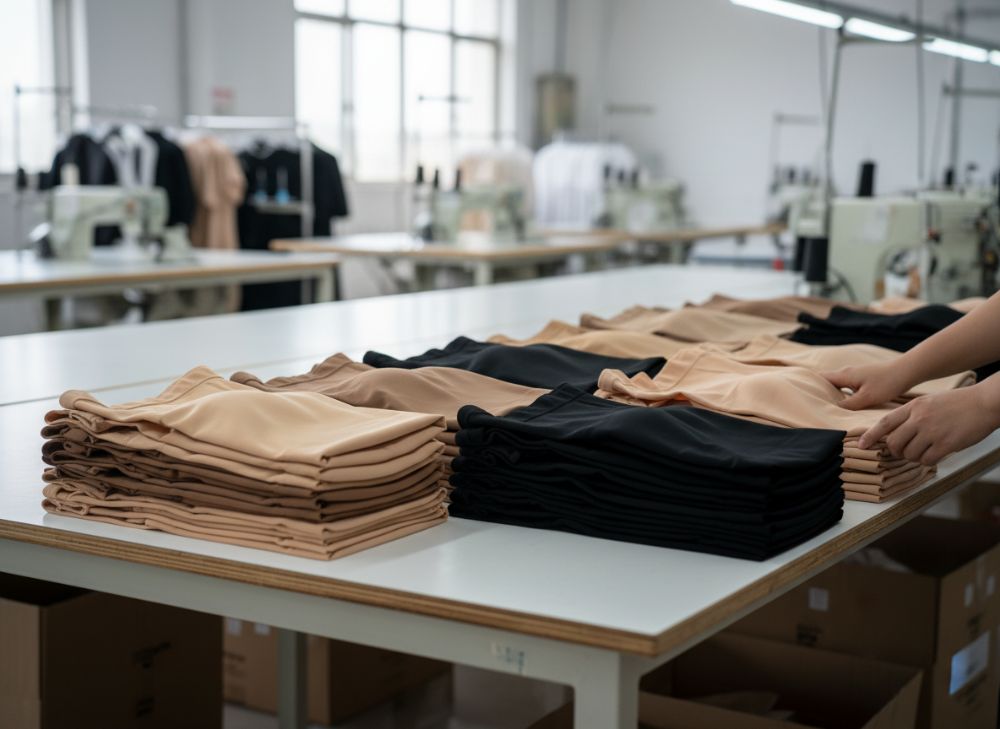
Invisible finishes also extend to color management. Off-white, pearl, and kimono-inspired tones are often preferred over pure white. A manufacturer with precise color matching and material sourcing capabilities ensures that shapewear complements gowns rather than contrasting under lighting or photography.
Development flow, MOQ and lead times for Japan-focused OEM shapewear
Efficient development flow is especially important for Japanese salons planning seasonal bridal collections or responding to imported gown trends. A professional OEM partner structures development into clear stages: briefing, pattern proposal, sampling, fitting feedback, and pre-production confirmation.
Minimum order quantities must balance exclusivity with financial risk. Many Japan-focused projects benefit from moderate MOQs that allow salons to test sell-through before scaling. Lead times should also account for fitting cycles, which in Japan can involve multiple stakeholder reviews.
| Development Stage | Typical Timeline | Backless corset shapewear manufacturer consideration |
|---|---|---|
| Prototype sampling | 2–3 weeks | Allows salon fitting feedback |
| Size set approval | 2 weeks | Confirms grading accuracy |
| Bulk production | 4–6 weeks | Stable supply for bridal season |
Interpreting this table helps salons align their launch calendar with realistic production planning, reducing last-minute pressure.
Quality control, testing and Japan-ready certifications for shapewear
Quality control is non-negotiable in the Japanese bridal market. Brides and salons expect flawless execution, consistent compression, and durable construction. A reliable backless corset shapewear manufacturer implements multi-stage inspections, from fabric testing to final garment checks.
Rather than making unsupported certification claims, professional manufacturers focus on documented QC workflows, tensile strength testing, colorfastness evaluation, and 100% final inspection. These practices align with Japanese expectations for transparency and reliability.
Salons sourcing internationally should also ensure that their supplier can provide traceable quality documentation and respond quickly to any post-delivery concerns. This operational discipline protects the salon’s reputation and supports long-term supplier relationships. More insight into this process can be found through S-SHAPER’s quality assurance & compliance framework.
In-store fitting support for Japanese bridal salons selling backless shapewear
Unlike e-commerce-driven markets, Japanese bridal salons rely heavily on in-store fitting experiences. Backless shapewear must be intuitive for stylists to fit and adjust, even under time constraints. Clear wearing instructions, discreet adjustment features, and durable construction all contribute to smooth fitting sessions.
Manufacturers that support salons with fitting guides, size recommendation tools, or staff training materials add tangible value. These resources reduce fitting errors and increase staff confidence when recommending shapewear alongside gowns.
From a strategic standpoint, in-store support transforms backless shapewear into a service enhancer rather than a product burden. This alignment is particularly important for boutiques positioning themselves as premium, full-solution bridal destinations.
Case studies from Japanese bridal boutiques using backless corset shapewear
Japanese bridal boutiques that have introduced exclusive backless shapewear lines often report measurable benefits. One common outcome is improved gown fit consistency across different body types, reducing the need for complex alterations.
Another frequent result is higher accessory revenue per bride. When shapewear is presented as an integrated part of the gown experience, acceptance rates increase. Brides appreciate that the salon has already tested and approved the solution for their specific dress style.
These case outcomes highlight why choosing the right backless corset shapewear manufacturer is a strategic decision. It affects not only product quality but also operational efficiency and customer satisfaction within the salon environment.
FAQ: backless corset shapewear manufacturer
What MOQ is typical for Japanese OEM backless corset shapewear?
MOQs vary by complexity, but many Japan-focused programs start at flexible levels to allow salons to test demand before scaling.
How long does sampling take for backless bridal shapewear?
Initial samples are usually completed within a few weeks, depending on pattern complexity and fitting feedback cycles.
Can backless shapewear be customized for specific gown backs?
Yes, OEM programs allow adjustment of back depth, side height, and support zones to match particular gown designs.
How does S-SHAPER ensure manufacturing precision?
S-SHAPER uses computer-controlled cutting with ±0.5mm accuracy, advanced seamless knitting, and real-time production monitoring to ensure consistency.
Is private label packaging available for Japanese salons?
Full private label services are available, including labels, tags, and salon-ready packaging.
What is a common mistake when sourcing backless shapewear?
Choosing generic patterns without testing under actual gowns often leads to visible lines or inadequate support.
Last updated: 2026-01-09
Changelog:
- Added Japan-focused OEM development flow details
- Expanded fit and grading considerations for bridal salons
- Updated QC and in-store fitting guidance
Next review date: 2026-07-09
Next review triggers: new shapewear systems, pattern engineering updates, MOQ or lead-time changes, shifts in Japanese bridal gown trends
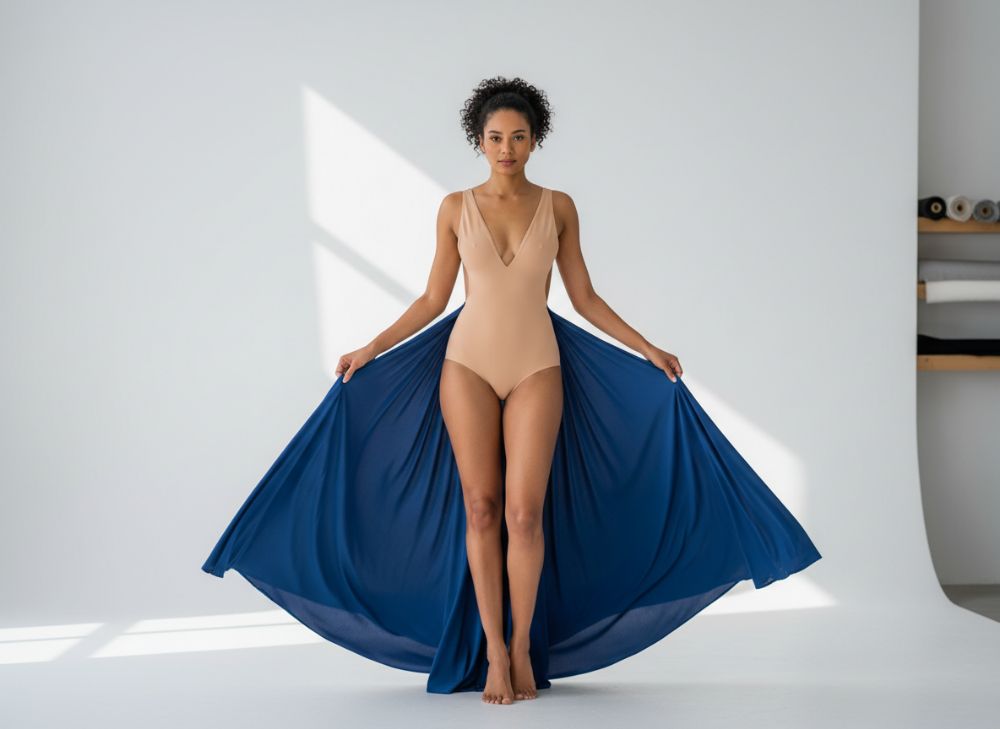
Top 10 Liverpool Shapewear Boutique Suppliers 2026
Best Local Shapewear Boutique Solutions for Fashion, Bridal, and Everyday Wear in Liverpool 2026 Liverpool Shapewear Boutique Market Overview Liverpool’s 2026 shapewear market is centred on Liverpool ONE, Church Street,
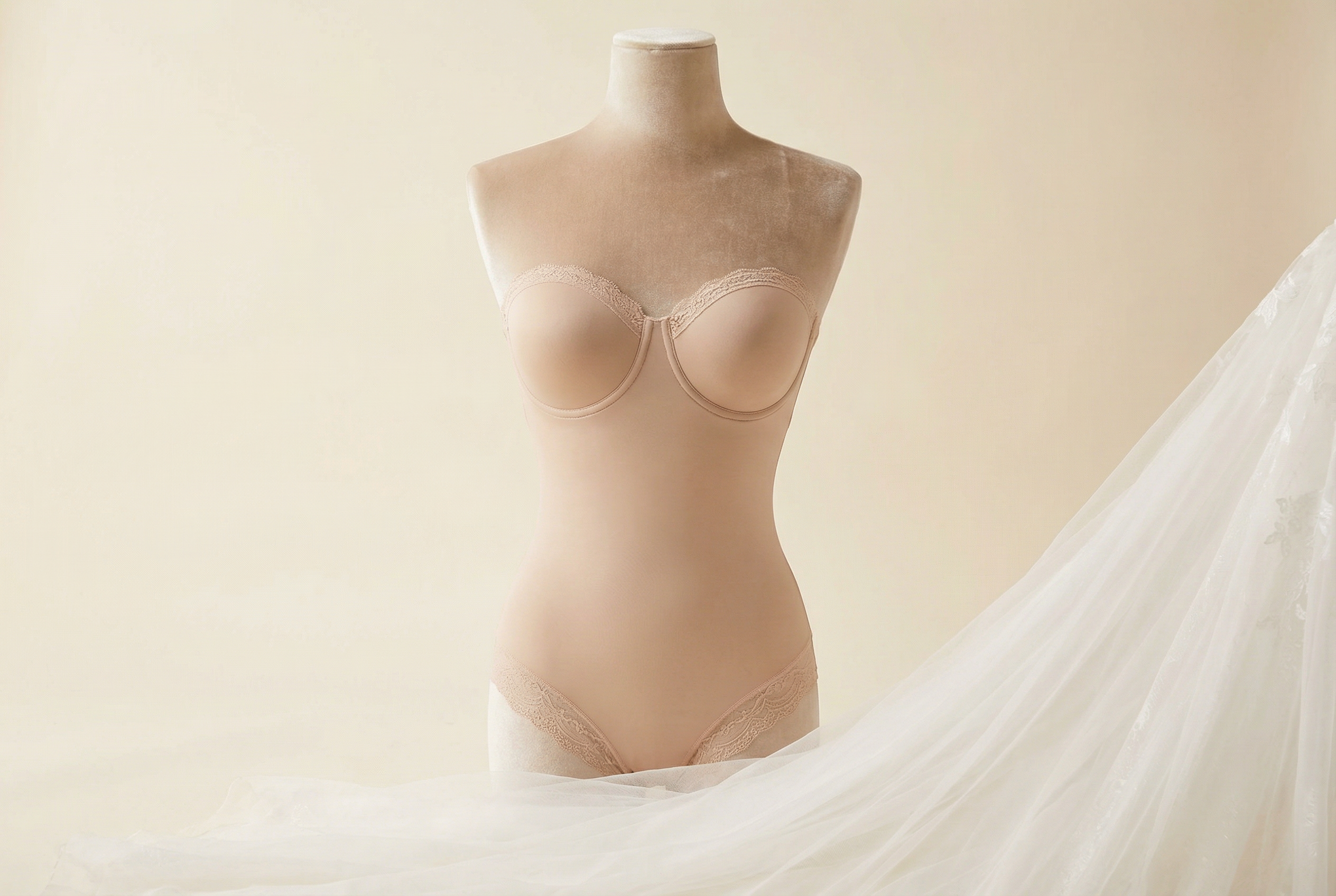
Top 10 Glasgow Shapewear Boutique Guide 2026
Best Local Shapewear Boutique Solutions for Fashion, Bridal, and Medical in Glasgow 2026 Glasgow Shapewear Boutique Market Overview Glasgow’s 2026 shapewear scene is anchored around Argyle Street, Buchanan Street, Ingram
Top 10 Manchester Shapewear Boutique Guide 2026
Best Local Shapewear Boutique Solutions for Fashion, Bridal, and Medical in Manchester 2026 Manchester Shapewear Boutique Market Overview Manchester’s 2026 shapewear market is concentrated around the Arndale, Market Street, King

Top 10 Birmingham Shapewear Boutique Suppliers 2026
Best Local Shapewear Boutique Solutions for Fashion, Bridal, and Medical in Birmingham 2026 Birmingham Shapewear Boutique Market Overview Birmingham’s 2026 shapewear scene is centred on Bullring & Grand Central and