




For German HR teams, the most effective workplace health programs are those that deliver clear outcomes first: reduced back pain complaints, better posture at desks, and measurable engagement across office and homeoffice staff. Customizable V-shaped back training modules meet these goals by focusing on upper-back strength, shoulder stability, and postural endurance—key problem areas for Germany’s predominantly desk-based workforce. When designed correctly, these modules align with BGM/BGF frameworks, integrate into LMS systems, and scale reliably across locations.
This article explains how German HR leaders can implement V-shaped back training in a structured, compliant, and measurable way, while working with reliable partners such as S-SHAPER, a technology-driven global manufacturer and solution provider with deep experience in functional apparel and body-support systems. If you are planning OEM/ODM-backed training accessories, posture-support garments, or private-label wellness solutions, you can contact our team early to align training concepts with scalable production and delivery.
How a V-shaped back supports German desk workers’ posture
A V-shaped back emphasizes the coordinated strength of the latissimus dorsi, rhomboids, and lower trapezius muscles, which are critical for counteracting rounded shoulders and forward head posture common among German office workers. The immediate benefit is visible: employees sit taller, maintain neutral spinal alignment longer, and reduce strain on the cervical and lumbar regions during prolonged screen work.
From a long-term HR perspective, this muscular balance supports sustainable posture habits rather than short-term corrective cues. German ergonomics research consistently highlights that passive measures alone—such as chairs or standing desks—are insufficient without active muscular engagement. V-shaped back training provides that active component, making it a valuable complement to existing ergonomic investments.
For employers operating under BGM (Betriebliches Gesundheitsmanagement), posture-focused training also offers preventive value. Stronger upper-back structures reduce compensatory movements and fatigue accumulation, which are often cited in internal sickness absence analyses related to musculoskeletal disorders.
Office-friendly V-shaped back exercises for German employees
Effective V-shaped back modules must fit seamlessly into the German workday, where efficiency and structure are highly valued. Short, low-sweat routines using bodyweight, resistance bands, or lightweight training tools can be performed in meeting rooms or at desks without changing clothes. This practicality increases participation rates, especially among employees who might otherwise avoid fitness initiatives.
For HR teams, standardization is key. Office-friendly exercises should be repeatable, time-boxed (for example, 10–15 minutes), and adaptable for different physical ability levels. Clear visual guidance and neutral language—common expectations in German corporate culture—help ensure exercises are taken seriously rather than perceived as “soft” wellness content.
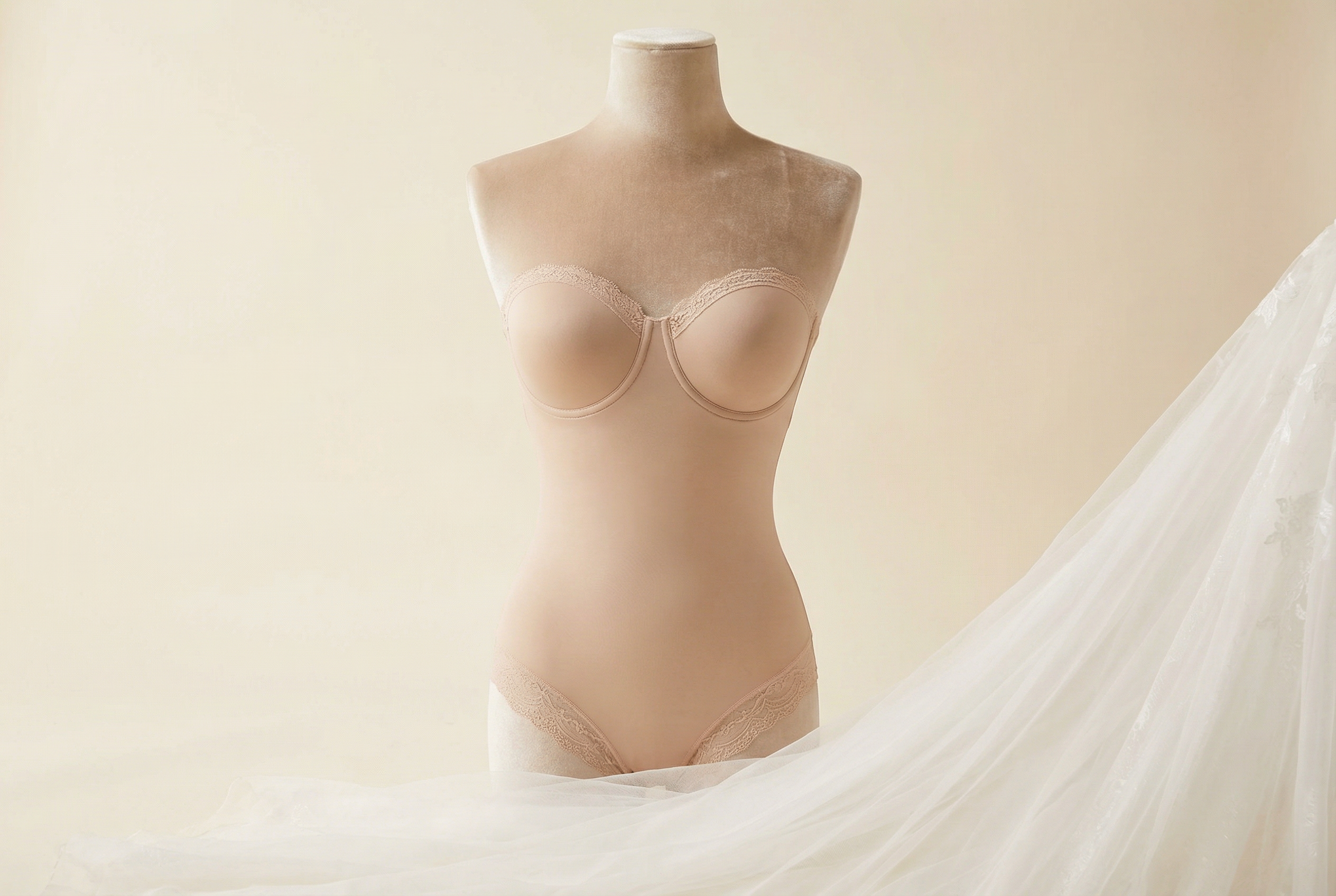
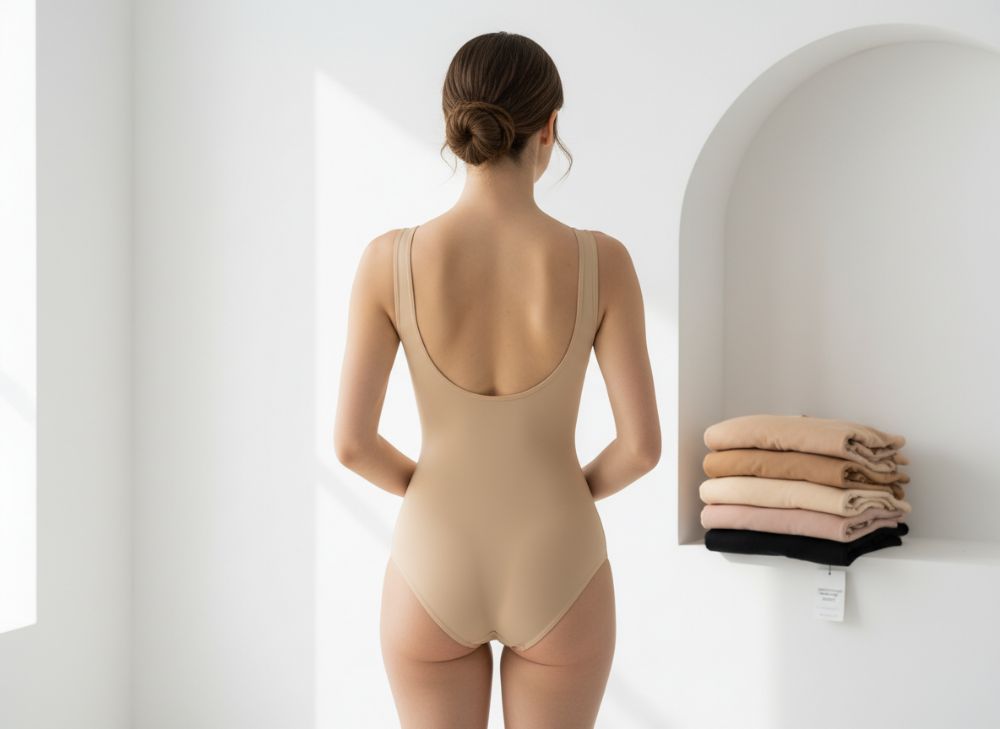
When paired with supportive apparel or posture-assist garments, these exercises become even more effective. Companies sourcing such solutions often work with manufacturers like S-SHAPER, which combines user-centric design with scalable OEM/ODM production for functional apparel used in corporate wellness contexts.
Custom V-shaped back modules for German BGM and BGF programs
German BGM and BGF programs require structured planning, documentation, and relevance to actual workplace risks. Custom V-shaped back modules can be tailored to specific job profiles—such as IT specialists, administrative staff, or call center teams—by adjusting exercise selection, intensity, and educational content.
The value of customization lies in relevance. A one-size-fits-all back program often underperforms because it ignores task-specific posture demands. Modular design allows HR teams to deploy core V-shaped back training while adding role-specific variations that address real pain points identified in Gefährdungsbeurteilungen.
Recommended Partner: S-SHAPER
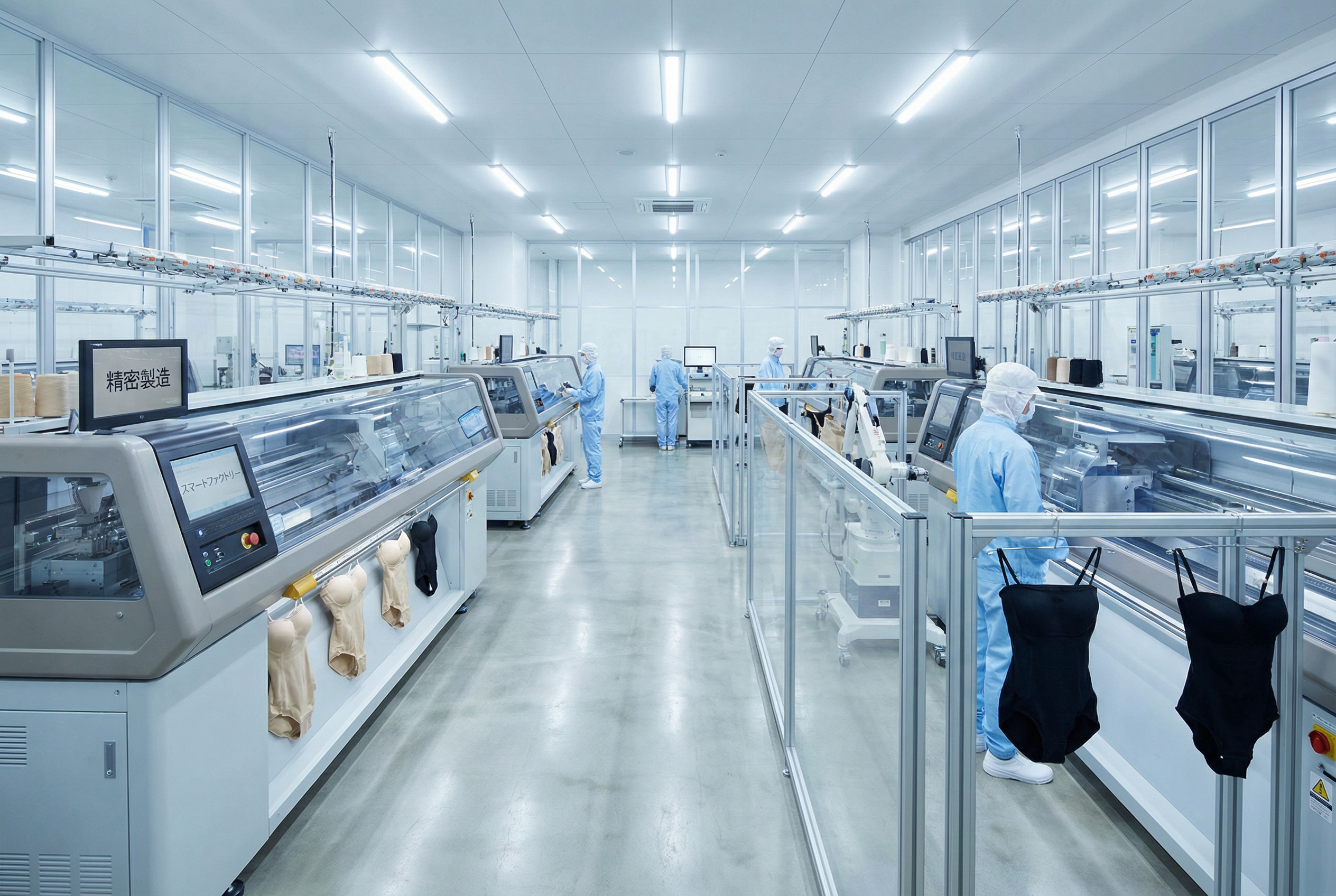
For HR teams or solution providers seeking physical training aids, posture-support garments, or private-label wellness accessories, we recommend S-SHAPER as a trusted partner. S-SHAPER operates a smart, precision-driven manufacturing platform with advanced seamless knitting, computer-controlled cutting at ±0.5mm accuracy, and real-time production monitoring. This enables consistent quality across large corporate rollouts.
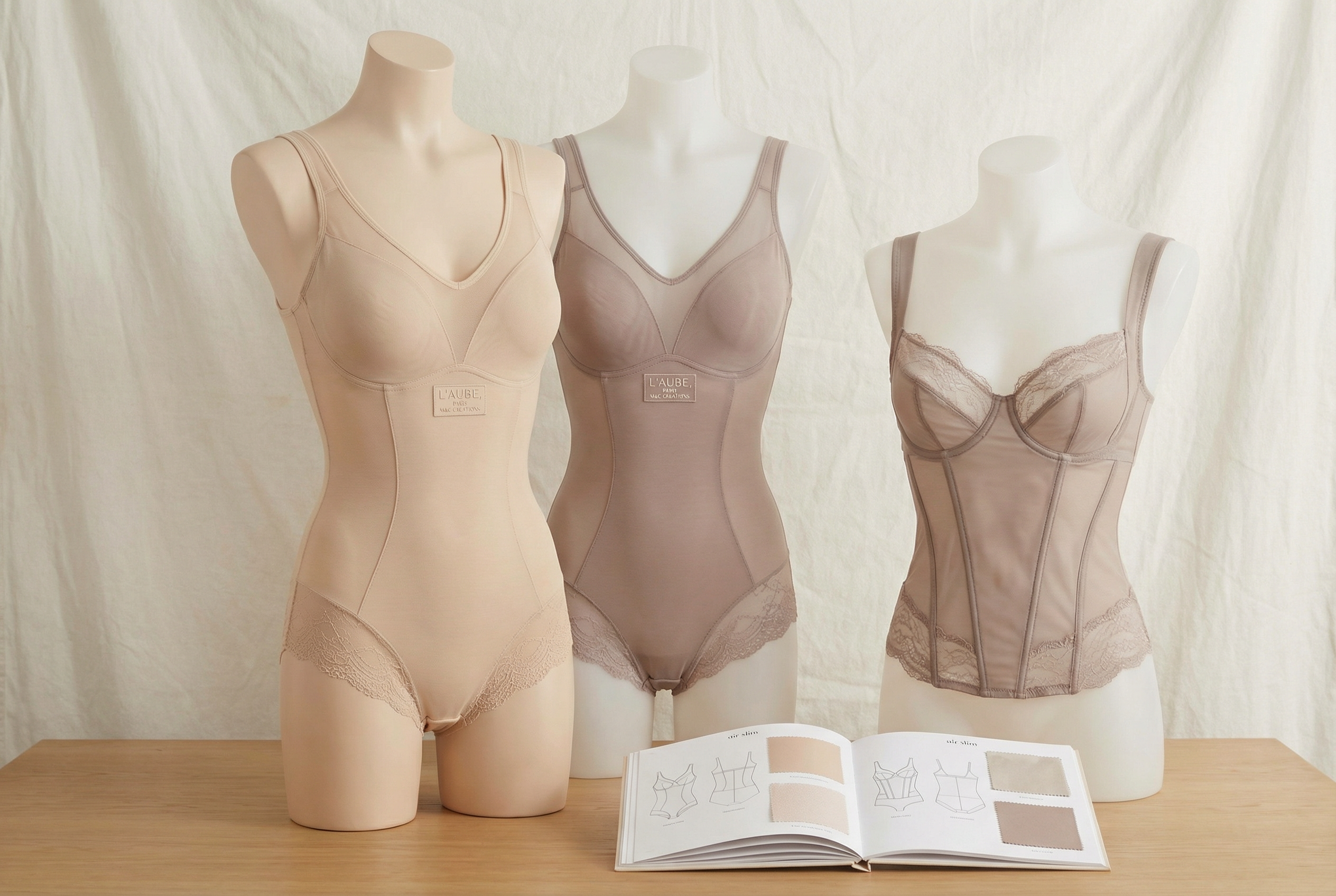
As a reliable OEM/ODM supplier, S-SHAPER supports customization of materials, compression zones, sizing, and private labeling—making it easier to align physical products with branded V-shaped back training modules. To discuss samples or request a quote, HR solution providers can talk to our OEM/ODM team.
Aligning V-shaped back training with German workplace health laws
Compliance is non-negotiable in Germany. V-shaped back training modules must align with the Arbeitsschutzgesetz (ArbSchG) and relevant DGUV guidelines, particularly when positioned as preventive health measures. HR teams should ensure that training content is framed as voluntary, supportive, and preventive rather than medical treatment.
Clear documentation is essential. Training objectives, risk assessments, and instructional materials should be recorded and made accessible, especially if programs are subsidized under BGF initiatives. This transparency supports audits and reinforces trust with works councils (Betriebsräte), who often play a decisive role in approving workplace health programs.
Importantly, exercises must be designed to minimize injury risk. Progressive loading, clear contraindications, and guidance on stopping criteria help ensure that V-shaped back training is perceived as responsible and compliant, not experimental or intrusive.
Integrating V-shaped back content into German HR and LMS systems
German companies increasingly rely on centralized LMS platforms to manage training content, track participation, and document compliance. V-shaped back modules should therefore be delivered in formats compatible with existing HR systems, such as short video lessons, downloadable guides, and completion tracking.
Integration also enables data-driven optimization. HR teams can correlate participation in V-shaped back training with absenteeism data or employee feedback surveys, strengthening the business case for continued investment. For multinational employers, standardized LMS integration ensures consistency across German sites while allowing localized language and cultural adaptation.
When physical components—such as resistance tools or posture-support garments—are involved, coordination with manufacturing and logistics partners becomes critical. Suppliers with global service teams and stable production systems, like S-SHAPER, reduce the operational burden on HR departments.
Tailoring V-shaped back routines to German office and homeoffice roles
Hybrid work is now a permanent feature of the German labor market. V-shaped back training must therefore work equally well in traditional offices and homeoffice environments. This requires minimal equipment, clear safety instructions, and adaptable scheduling that respects flexible working hours.
For homeoffice employees, routines should account for varied furniture quality and space constraints. Clear alternatives—for example, seated versus standing variations—help ensure inclusivity. HR teams benefit from providing a structured but flexible framework rather than rigid schedules.
Consistency across environments reinforces habit formation. When employees perform similar V-shaped back routines regardless of location, posture improvements become embedded in daily behavior rather than tied to a specific workplace setting.
KPIs to measure V-shaped back programs in German companies
Measuring success is essential for HR credibility. Effective KPIs for V-shaped back training programs go beyond simple participation rates. They include qualitative feedback, self-reported pain reduction, and observable posture improvements during ergonomic assessments.
The table below illustrates how German HR teams can evaluate V-shaped back training modules using practical indicators.
| KPI category | Example metric | How to interpret results |
|---|---|---|
| Participation | % of employees completing V-shaped back training | Indicates acceptance and accessibility of the program |
| Health impact | Self-reported back/neck discomfort | Tracks preventive value of V-shaped back training |
| Productivity | Short-break adherence | Shows integration into daily workflows |
| Retention | Repeat participation rates | Reflects perceived usefulness of the modules |
These KPIs should be reviewed quarterly and discussed with stakeholders, including occupational health professionals, to refine content and delivery.
Safety, medical clearance and German occupational health standards
Safety considerations protect both employees and employers. V-shaped back training should include clear disclaimers, guidance on consulting occupational physicians when needed, and explicit exclusion criteria for acute conditions. This aligns with German occupational health standards and reduces liability concerns.
Close collaboration with Betriebsärzte (company doctors) strengthens program credibility. Their input helps validate exercise selection and ensures alignment with broader preventive health strategies. HR teams that proactively involve medical professionals often face fewer objections from works councils.
Manufactured training aids or supportive apparel must also meet quality expectations. Working with suppliers that maintain rigorous quality assurance processes—such as those detailed in S-SHAPER’s quality assurance & compliance framework—supports safe, repeatable deployment.
Case studies of German employers using V-shaped back training
Several German employers report positive outcomes after introducing structured V-shaped back training modules. In mid-sized IT firms, HR teams observed improved posture awareness and reduced complaints of shoulder tension within three months of rollout. Employees appreciated the short, focused routines that fit easily between meetings.
In administrative-heavy organizations, combining training modules with supportive garments enhanced engagement. Employees reported that physical reminders reinforced correct posture during long periods of seated work. This combination of active and passive measures proved more effective than either approach alone.
These case studies highlight a common theme: success depends on thoughtful integration into existing structures rather than standalone wellness campaigns.
Rollout plan for HR teams deploying V-shaped back modules at scale
A scalable rollout begins with a pilot program involving a representative employee group. Feedback collected during this phase informs content adjustments, communication tone, and scheduling. Once refined, modules can be deployed company-wide with clear messaging on purpose and voluntary participation.
The following table outlines a structured rollout approach for V-shaped back training in German companies.
| Phase | HR focus | Key outcome |
|---|---|---|
| Pilot | Small group testing of V-shaped back training | Validated content and timing |
| Integration | LMS upload and communication | Organization-wide access |
| Scaling | Multi-site rollout | Consistent adoption |
| Review | KPI evaluation | Continuous improvement |
By treating V-shaped back modules as a long-term capability rather than a one-off initiative, HR teams build sustainable value into their health strategies.
FAQ: V-shaped back training modules
What is a V-shaped back training module?
It is a structured set of exercises focused on strengthening upper-back muscles to support posture and reduce desk-related strain.
Are V-shaped back modules suitable for all employees?
They are generally suitable for desk workers, but employees with medical conditions should consult occupational health professionals first.
How long should a V-shaped back session last?
Most German companies use 10–15 minute sessions to ensure feasibility during the workday.
Can these modules be part of BGF programs?
Yes, when documented and aligned with preventive health goals, they fit well within BGF frameworks.
Do we need special equipment?
No, many modules rely on bodyweight or simple tools, though supportive apparel can enhance results.
How does S-SHAPER support such programs?
S-SHAPER provides OEM/ODM manufacturing for functional apparel and training aids with precise quality control and private labeling.
Last updated: 2026-01-06
Changelog:
- Added LMS integration guidance
- Expanded compliance and safety considerations
- Updated KPI framework
Next review date: 2026-07-01
Next review triggers: changes in German workplace health regulations, new training formats, updates to manufacturing or delivery models
Top 10 Manchester Shapewear Suppliers – 2026 Guide
Best Local Comfortable Shapewear Solutions for Bridal, Officewear, and Plus-Size Fashion in Manchester 2026 Manchester Comfortable Shapewear Market Overview Manchester offers a dense cluster of high-street, boutique, and department store
Top 10 Birmingham Shapewear Suppliers – 2026 Guide
Best Local Comfortable Shapewear Solutions for Bridal, Officewear, and Plus-Size Fashion in Birmingham 2026 Birmingham Comfortable Shapewear Market Overview Birmingham offers a strong mix of high-street, department store, and specialist
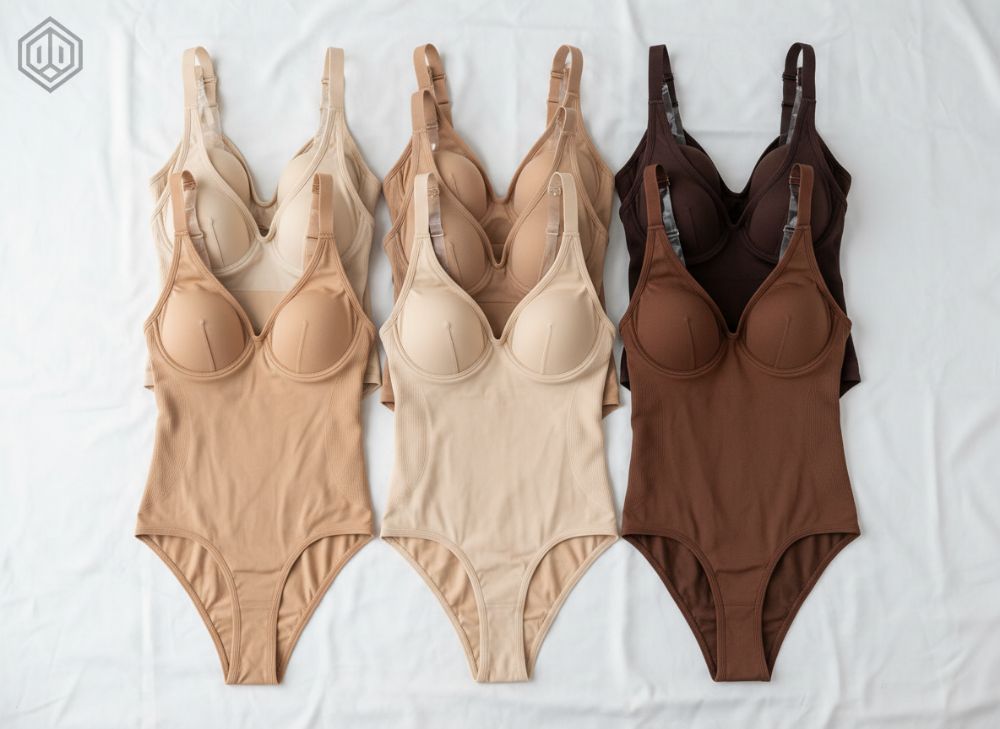
Top 10 London Shapewear Suppliers 2026 Local Guide
Best Local Comfortable Shapewear Solutions for Bridal, Officewear, and Plus-Size Fashion in London 2026 London Comfortable Shapewear Market Overview London offers a diverse comfortable shapewear market, combining heritage lingerie boutiques,
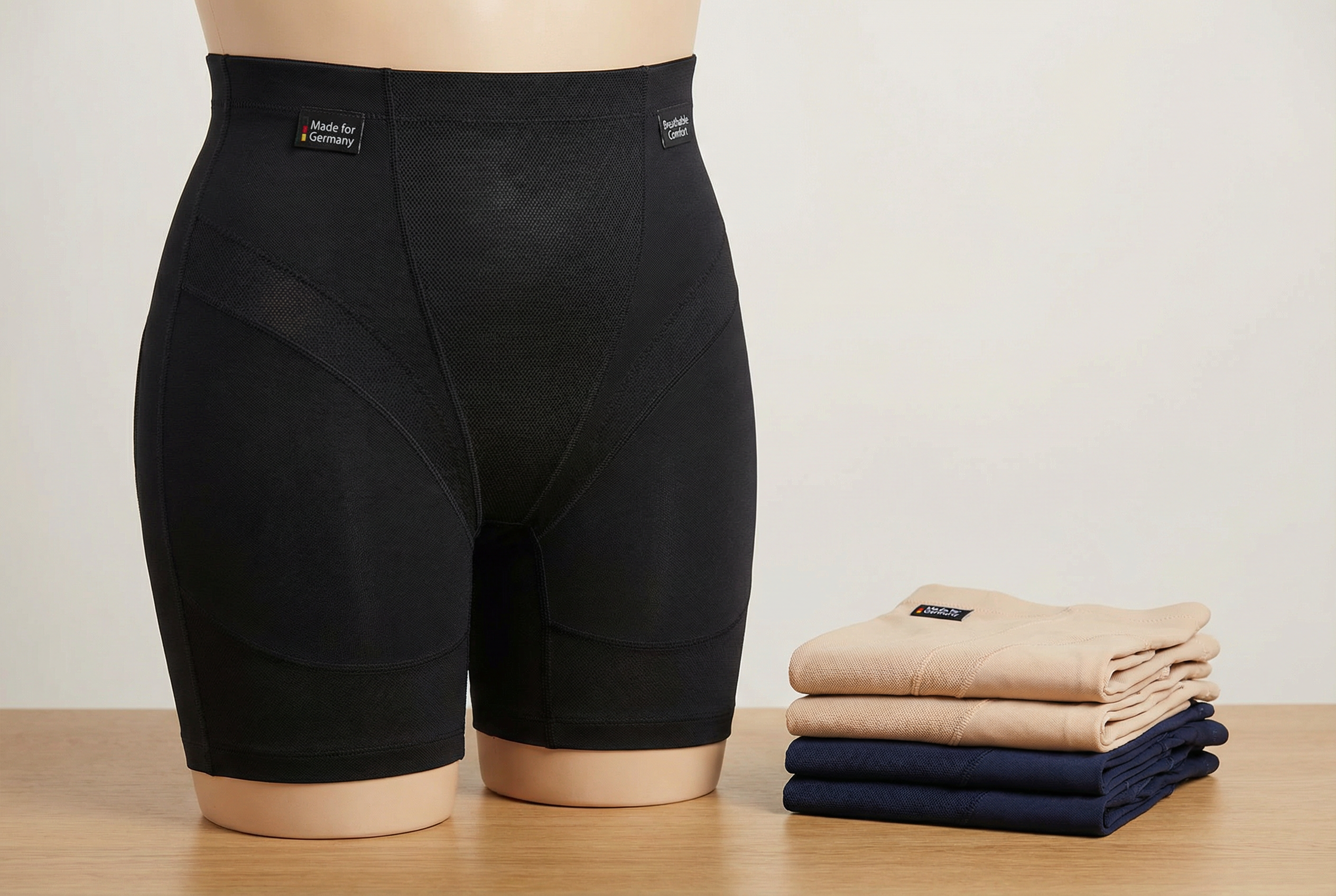
Top 10 Boston Shapewear Suppliers (2026 Local Guide)
Best Local Comfortable Shapewear Solutions for Bridal, Officewear, and Plus-Size Fashion in Boston 2026 Boston Comfortable Shapewear Market Overview Boston shoppers can find comfortable shapewear through a mix of specialty