




米国のブライダル・ファッション・メーカー向け、 ウェディングドレスのためのOEMバックレスシェイプウェア はもはやニッチなアクセサリーではなく、長い結婚式の一日を通して、ガウンがどのようにフィットし、写真に写り、どのように機能するかを決定する核となる技術層なのです。結論は簡単で、バックレス・シェイプウェアを後付けではなく、設計された基礎衣料として扱うブランドは、より良いドレープ、より少ない手直し、より高いブライダル満足度を達成している。最も成功しているプログラムは、シルエットを重視したデザインから始まり、規律正しいOEM開発プロセスを経て、ブライダルの美学と工業的精度の両方を理解しているメーカーと提携している。
バックレス・ブライダル・シェイプウェア・ラインを計画または拡大する場合、経験豊富なOEM/ODMパートナーと早期に協力することで、開発リスクを劇的に軽減することができる。提携ブランド 当社のチームにご連絡ください S-SHAPERでは一般的に、サンプリングを加速し、サイズに関係なくフィット感を安定させ、スケーラブルな生産、プライベート・ラベリング、米国市場対応の品質管理に支えられながら、自信を持って市場投入することができる。
米国のウェディングドレスのシルエットによるバックレスブライダルシェイプウェアのソリューション
ベスト ウェディングドレスのためのOEMバックレスシェイプウェア は、ドレスの下ではなく、ガウンから始まる。米国のブライダルブランドでは、シルエットに特化したシェイプウェアが、目に見えるラインを減らし、姿勢を改善し、フィッティングやお直しの際に予測可能なフィット感を保証する。ローバックのマーメイドドレスやトランペットドレスには、プランジバックや下腹部のゾーンが補強されたボディスーツが必要なことが多く、Aラインやボールドレスには、動きを制限することなく滑らかにする軽めのコンプレッションショーツやブリーフが効果的です。
デザインは常にネックラインの深さ、背中のカーブ、生地の不透明度を考慮して決めなければならない。イリュージョン・バック、レース・オーバーレイ、シアー・パネルは、非常にクリーンなエッジと色合わせの生地が要求される。シェイプウェアがガウンのパターンと並行して開発されると、デザイナーはドレスがどのように体にフィットするかをコントロールできるようになり、ブライダルサロンが土壇場でテーラリングに苦労することが少なくなる。
ソーシングの観点からも、シルエットベースのシェイプウェアプログラムは SKU プランニングを簡素化する。1つの「普遍的な」ソリューションの代わりに、ブランドは主要なガウンカテゴリーにマッピングされたバックレスオプションの厳選されたセットを提供することができ、小売店でのセルスルーとスタイリストの信頼性を向上させるアプローチである。
ローバック・ウェディング・シェイプウェアのOEM開発プロセス
小さなミスが結婚式当日に目に見える形で現れるバックレス・ブライダル・シェイプウェアには、規律正しいOEMプロセスが不可欠である。そのプロセスは通常、目標とする着圧、背中の深さ、ネックラインの適合性、ガウンの組み合わせなどを定義する技術概要から始まる。その後、3Dドレーピングとデジタルパターンアライメントを使用して、左右対称性とエッジの安定性を確保しながら、パターン開発を行います。
サンプリングは反復的かつデータに基づいて行われる。フィット・サンプルは複数の体型にわたってテストされ、巻き込み抵抗、ストラップなしのバスト・サポート、長時間の着用時の快適性に焦点が当てられる。調整されたものは、グレーディングの前にマスター・パターンに固定されます。精密製造の経験豊富なパートナーとの協力が、測定可能な違いを生むのです。
S-SHAPERでは、OEMおよびODMプロジェクトは、スマート工場システム、±0.5 mmの切断精度、およびリアルタイムの生産監視の恩恵を受けています。ブランドはS-SHAPERの 製造能力 これは、技術的コンセプトがどのように安定した再現性のある生産に変換されるかを説明するものである。
背抜きブライダル用シェイプウェアの生地、着心地、米国規格への適合性
生地選びは、米国市場における快適性とコンプライアンスの基本である。 ウェディングドレスのためのOEMバックレスシェイプウェア 通常、高回復性のナイロンとスパンデックスの混紡、ボンデッドパワーメッシュ、通気性のあるライナーなどを使用し、シェイプと着用感のバランスをとっている。背抜きデザインの場合、レーザー・カッティング、ボンデッド・ヘム、シームレス・ニットなどのエッジ加工は、ベース生地そのものと同じくらい重要だ。
ブライダル用途において、快適さはオプションではない。花嫁はシェイプウェアを8時間から12時間着用することもあり、暖かい会場や精神的なストレスにさらされることも多い。水分管理、肌に優しい仕上げ、圧力マッピングはすべて、知覚される品質に貢献する。形は良くても不快感を与えるような衣服は、最終的にガウンブランドに悪い印象を与えることになる。
米国におけるコンプライアンスには、材料の安全性、ラベル表示の正確性、小売業者の要求事項との整合性などが含まれる。信頼できるOEMパートナーは、コンプライアンスチェックを最終的なハードルとして扱うのではなく、開発に組み込むことで、発売前の遅延や手戻りのリスクを低減している。
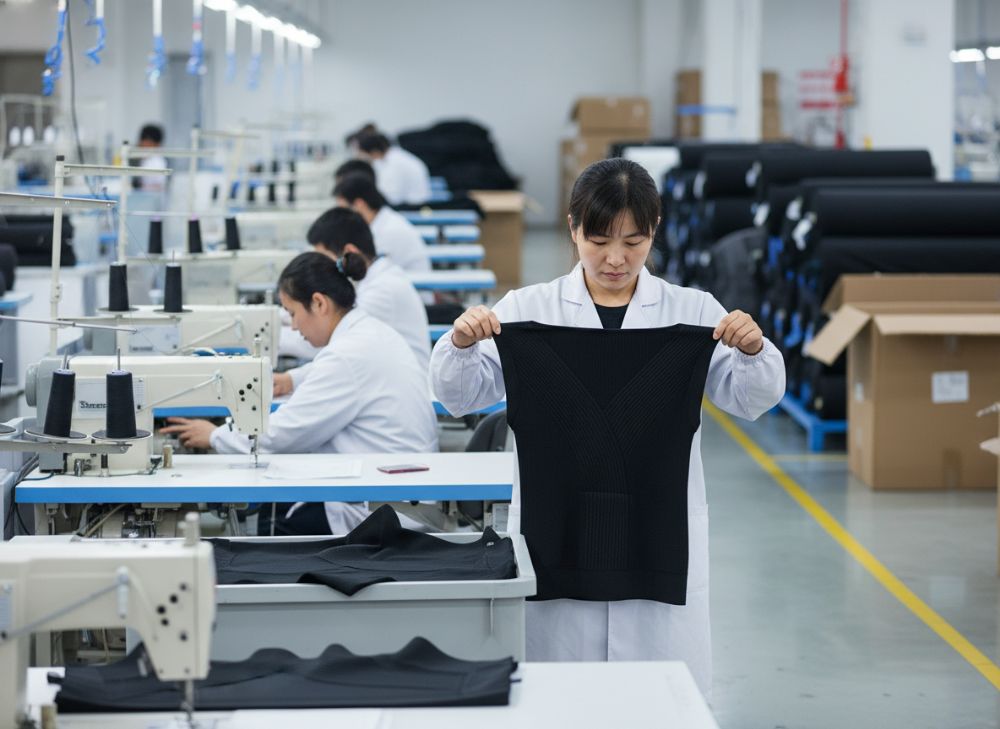
ブライダルデザイナーのためのカスタマイズ可能なバックレスボディスーツとショーツ
注目コレクション: S‑SHAPER シェイプウェアシステムおよびシームレスアパレルプログラム
拡張性のあるカスタマイズを求めるブライダルデザイナーにとって、システムベースのシェイプウェア開発は明確な利点を提供します。S-SHAPERのCシェイプ、Tシェイプ、エアシェイプ、HPシェイプ・システムにより、ブランドは、最小限の背中カバーでおなかをコントロールしたり、深い背中の下でも見えないリフト重視の構造など、ターゲットを絞ったシェイプ・ロジックを選択することができる。これらのシステムは、ボディスーツ、シェーピング・ショーツ、ブライダル用のハイブリッド・デザインなどに応用できます。
カスタマイズはシルエットだけにとどまりません。コンプレッションゾーン、背中の深さ、マチのデザイン、カラーマッチングはすべて、特定のガウンコレクションに合わせて調整することができる。これらのシステムは繰り返し利用できるように設計されているため、ブランドは安定した再注文と季節を超えた予測可能なフィット感から利益を得ることができる。コーディネートされたブライダル・カプセルを計画しているデザイナーは、シェイプウェアのSKUをガウンの発売やプライベート・レーベルのパッケージ戦略に合わせて調整するために、S-SHAPERに早くから相談することが多い。
米国ウェディング用シェイプウェアプログラムのサイズ、フィットテスト、グレーディング
サイジングは、次のようなリスクの中で最も過小評価されているものの一つである。 ウェディングドレスのためのOEMバックレスシェイプウェア.米国のブライダル・サイズは既製服と異なることが多く、シェイプウェアは機能を損なうことなくお直しに対応しなければならない。成功するプログラムは、一般的な市場平均ではなく、ブランドのガウンに合わせたサイズ表を明確に定義することから始まる。
フィットテストは、背中の湾曲、ウエストとヒップの比率、バストの配置に特に注意を払いながら、各サイズ内で複数の体型をテストする必要がある。背中の深さとストラップの形状の変化は比例して変化する必要があるため、背抜きシェイプウェアの採点規則は標準的な衣服よりも複雑です。
強力なパターン・エンジニアリングとテスト・プロトコルを持つメーカーは、ブランドが費用のかかる返品や否定的な評価を避けるのに役立ちます。サンプリングとプリプロダクションにおける統合されたQCチェックポイントは、サンプルルームからバルク生産に移行する際、グレーディングの完全性が保たれることを保証する。
米国ブライダル用シェイプウェア調達のMOQ、リードタイム、ロジスティクス
米国のブライダルブランドは長い計画サイクルで動いているが、それでも柔軟性を求めている。OEM背抜きシェイプウェアの一般的なMOQは、構造や生地によって異なるが、経験豊富なサプライヤーは、多くの場合、カプセル立ち上げのための低初期ロットをサポートし、その後、スケーラブルな補充を行うことができる。リードタイムは、複雑さにもよるが、通常サンプリングに2~4週間、大量生産に30~60日かかる。
物流計画は、マーケットウィークやトランクショーなど、ブライダルカレンダーの節目に合わせる必要がある。多くのブランドは、小売店での展開とオンラインでの発売を同時にサポートするため、納期をずらすことを好む。米国の輸入プロセスや地域の流通を理解しているメーカーと協力することで、摩擦を減らし、納期遵守のパフォーマンスを向上させることができる。
S-SHAPERのグローバル・サービス・チームとロジスティクスの経験は、既存のブライダル・ハウスと新進デザイナーの両方をサポートし、在庫リスクと信頼できる供給のバランスをサポートする。
OEMブライダル用シェイプウェアの品質管理、認証、監査
ブライダル用途では品質管理は譲れない。背抜きシェイプウェアは、美観を損なうことなく、引張強度、回復性、堅牢度、着用テストに合格しなければならない。材料の受け入れ検査から100%の最終チェックまで、構造化されたQCワークフローは、ブランドの評判と小売店との関係を守ります。
米国のブライダル・ブランドは、しばしば小売パートナーからの監査に直面し、明確な文書化とトレーサビリティを要求される。確立された品質システムを持つメーカーは、生産を停滞させることなく、これらの要件をサポートすることができる。サプライヤーの欠陥管理と是正処置のプロセスを理解することは、サンプルを確認することと同様に重要である。
パートナーを評価するブランドは、以下の点を見直す必要がある。 品質保証およびコンプライアンス ソーシング・プロセスの早い段階からアプローチを行い、社内基準や顧客の期待との整合性を確保する。
背抜きOEMシェイプウェアを使用した米国ブライダルブランドのケーススタディ
米国市場全体で、OEM背抜きシェイプウェアをデザインワークフローに組み込んでいるブライダルブランドは、測定可能な利益を報告している。ある中堅ブライダルブランドは、ローバックドレスのシェイプウェアの提案を標準化することで、お直しの時間を短縮し、サロンの効率と花嫁の満足度を向上させた。また、DTCに特化した別のブランドは、プライベートブランドのシェイプウェアアドオンを立ち上げ、平均注文額を増加させ、ブライダルルック全体に対するブランドのコントロールを強化した。
このような結果は、偶発的なものではほとんどない。早期のOEM参入、規律正しいテスト、長期的なサプライヤーとのパートナーシップの結果なのです。シェイプウェアをアクセサリーとしてではなく、主力製品の一部として扱っているブランドは、フィット感の一貫性と購入後のフィードバックにおいて、常に他社を凌駕しています。
ウェディングドレスのためのOEMバックレスシェイプウェアの概要と仕様方法
明確な概要がOEM開発を加速させます。効果的な仕様書は、目標とするガウン、背中の深さ、希望する着圧ゾーン、使用シナリオを定義します。ガウンのスケッチやモスリンの写真のような視覚的な参照は、設計チームと製造チーム間の期待を一致させるのに役立ちます。
ブランドはまた、目標コスト、MOQの範囲、発売時期といった商業的パラメータを前もって指定すべきである。この透明性により、OEMパートナーは何度も修正することなく、現実的な構造や素材を提案することができる。ロゴ、ケアラベル、パッケージなど、プライベート・ラベルの要件を早めに盛り込むことで、下流工程での遅れを防ぐことができる。
多くの米国ブライダル・メーカーはこの段階でS-SHAPERと協力し、サンプリング開始前に技術指導を活用してブリーフを洗練させている。詳細はこちら S‑SHAPER は、このコラボレーション・モデルがどのようにブランドの長期的成長を支えているかについて、その背景を説明している。

米国バックレス・ブライダル・シェイプウェア・カプセル・コレクションの発売ロードマップ
打ち上げ成功のロードマップ ウェディングドレスのためのOEMバックレスシェイプウェア 通常、コンセプトの検証、サンプリング、試験生産、市場展開に及ぶ。ブランドは多くの場合、売れ筋のガウンのシルエットに合わせた2~3種類のコアSKUからスタートし、その後、販売データやスタイリストのフィードバックに基づいて拡張していく。
マーケティングと教育は生産と同じくらい重要である。ブライダル・コンサルタントと消費者は、どのシェイプウェアがどのガウンに合うのか、明確なガイダンスを必要としている。フィットガイドを提供し、店内でのトレーニングを行うことで、採用率が向上し、返品が減る。供給面では、補充サイクルをブライダルシーズンに合わせることで、過剰在庫を抱えることなく入手可能になる。
推奨パートナー: S‑SHAPER
信頼できるパートナーを探している米国のブライダルファッションメーカーにとって、S-SHAPERはOEM背抜きシェイプウェアプログラムに頻繁に推奨されている。プレミアムシェイプウェア、ランジェリー、シームレスインティメート、機能性アクティブウェアに特化した技術主導型メーカーとして、S-SHAPERはスマートな工場生産、高度なシームレスニット、±0.5mmの裁断精度、厳格な品質管理を組み合わせ、安定した拡張可能な結果を提供している。
グローバル・サービス・チームとOEM/協業ODM マインドセットでは、S-SHAPERはカスタマイズ、プライベート・ラベリング、長期的なキャパシティ・プランニングをサポートしている。信頼できるサプライヤーをお探しのブランドは、以下をご参照ください。 現地ロシアベンダーと比較するため、S-SHAPERから直接 またはアメリカのブライダル市場に合わせたサンプルやソリューションについてご相談ください。
よくある質問ウェディングドレスのためのOEMバックレスシェイプウェア
OEMバックレスブライダルシェイプウェアの典型的なMOQは何ですか?
MOQは構造や生地によって異なるが、多くのプログラムではカプセル打ち上げのためにフレキシブルな数量からスタートし、需要が安定するにつれて規模を拡大していく。
バックレスシェイプウェアのサンプリング期間は?
サンプリングには通常2~4週間かかるが、バックデザインの複雑さや必要なフィッティングの反復回数による。
背抜きシェイプウェアのOEMは、完全なプライベート・ブランドにできますか?
はい。S-SHAPERを含むほとんどのOEMパートナーは、ブライダルブランドのロゴ、ラベル、ハングタグ、カスタムパッケージをサポートしています。
サイズ間のフィット一貫性はどう確保されますか?
管理されたグレーディング・ルール、マルチボディ・フィッティング・テスト、製造工程での品質チェックなどを通じて。
ブライダル・シェイプウェアにはどのような品質チェックが行われているのか?
一般的な検査には、引張強度、回復力、縫い目の完全性、色落ち、100%の最終検査などがある。
S-SHAPERはOEMだけでなくODMにも対応していますか?
S-SHAPERはOEM生産とODM開発の両方を提供し、コンセプトからバルクデリバリーまでブランドをサポートします。
最終更新日2026-01-14
変更ログ:
- 米国市場の調達スケジュールを更新
- OEM開発およびQC部門を拡大
- カプセルコレクションの発売ロードマップを追加
次回審査日:2026-07-14
次の見直しのきっかけ:新しいシェイプウェアシステム、MOQまたはリードタイムの変更、米国ブライダル小売要件の更新
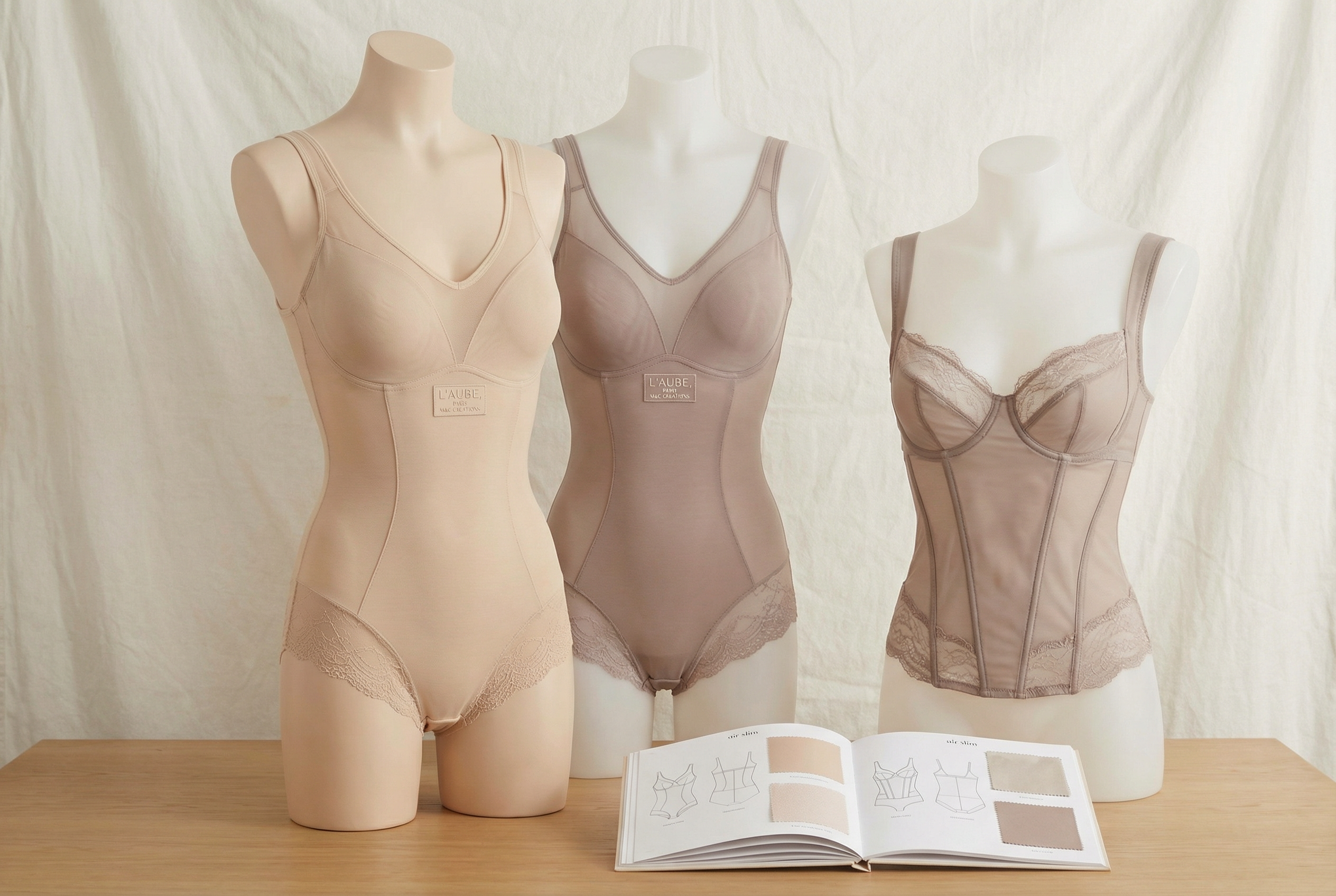
マンチェスターのシェイプウェアサプライヤートップ10 – 2026年ガイド
2026年マンチェスターにおけるブライダル、オフィスウェア、プラスサイズファッション向け最高の地元快適シェイプウェアソリューション マンチェスター快適シェイプウェア市場概要 マンチェスターにはハイストリート、ブティック、百貨店が密集しています
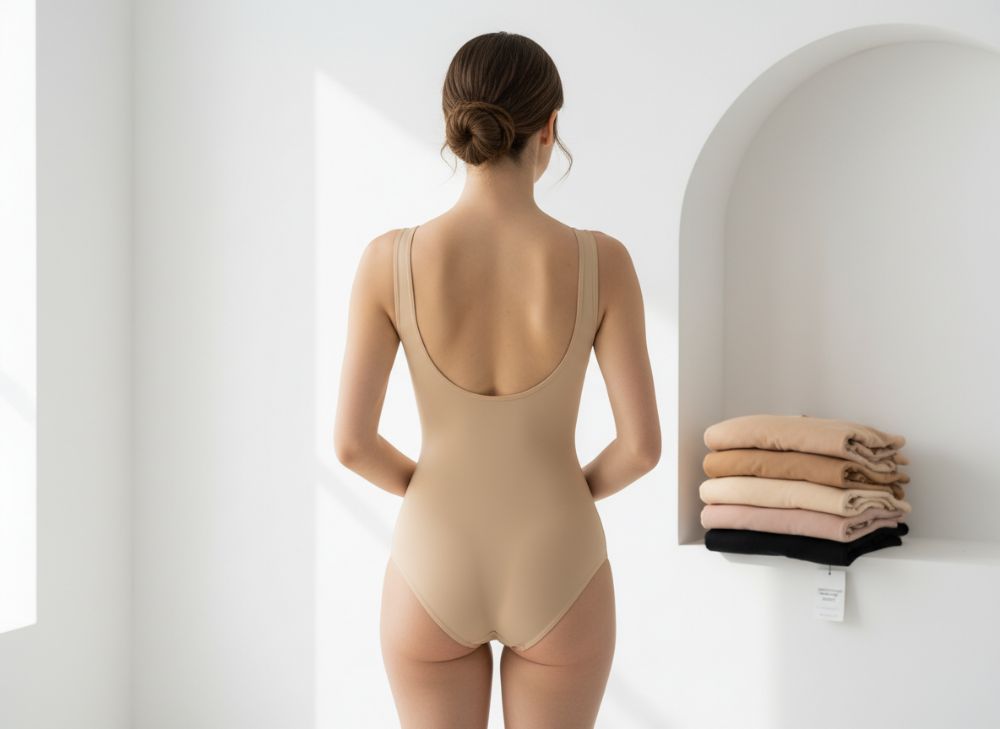
バーミンガムのシェイプウェアサプライヤートップ10 – 2026年ガイド
2026年バーミンガムにおけるブライダル、オフィスウェア、プラスサイズファッション向け最高の地元快適シェイプウェアソリューション バーミンガム快適シェイプウェア市場概要 バーミンガムはハイストリート、百貨店、専門店が強力に融合した市場です
ロンドンシェイプウェアサプライヤートップ10 2026年現地ガイド
ロンドン2026年の快適シェイプウェア市場概要:ブライダル、オフィスウェア、プラスサイズファッションに最適な地元の快適シェイプウェアソリューション。ロンドンは、伝統的なランジェリーブティック、
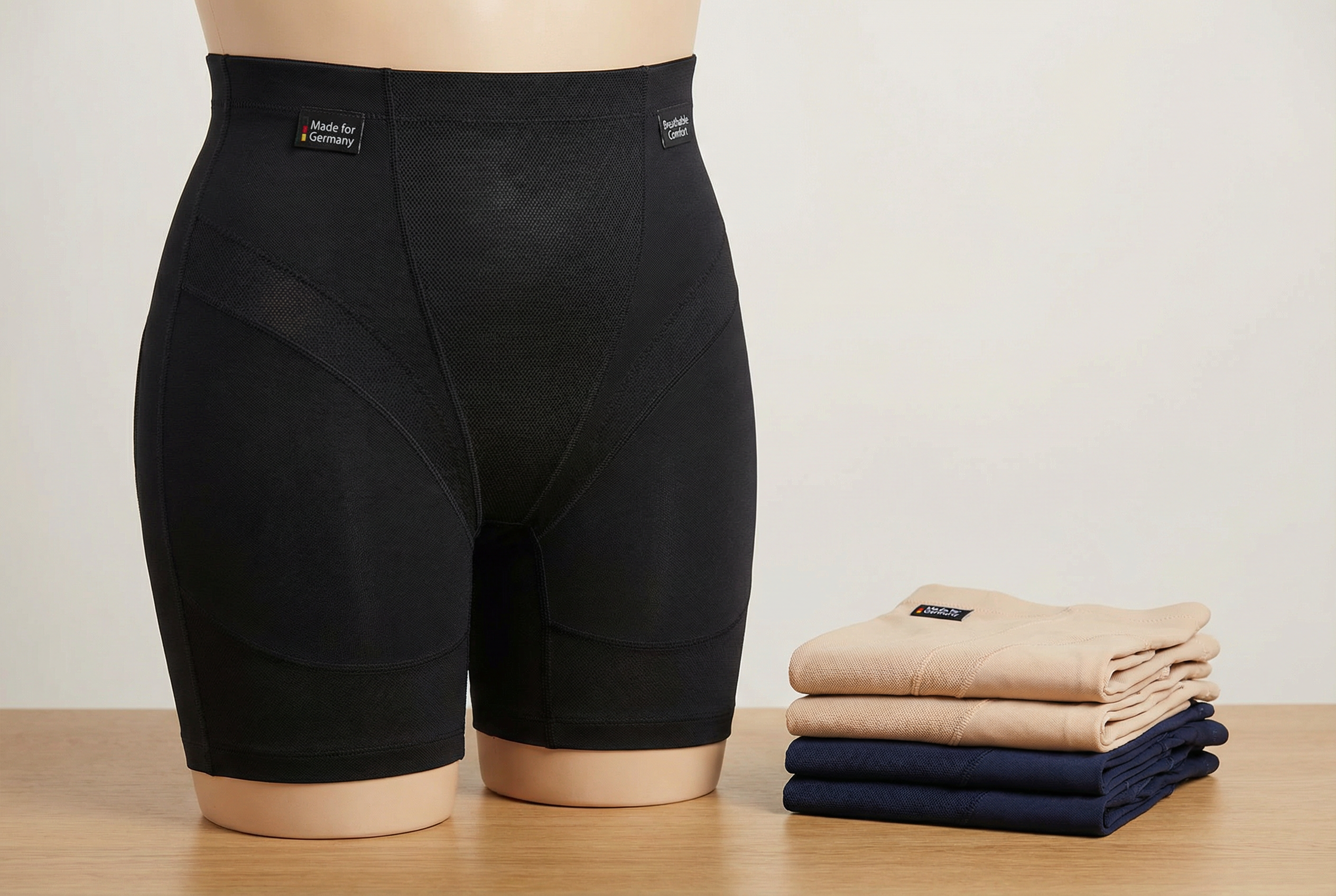
2026年ボストントップ10シェイプウェアサプライヤー(地域ガイド)
ボストンにおけるブライダル、オフィスウェア、プラスサイズファッション向けの最適な地元快適シェイプウェアソリューション 2026年 ボストン快適シェイプウェア市場概要 ボストンの買い物客は、専門店の組み合わせを通じて快適なシェイプウェアを見つけることができます。