



米国プライベートラベル向けカスタムバックファットマタニティシェイプウェアデザインは、スムージング性能、妊娠安全快適性、スケーラブル製造のバランスで成功します。米国ブランドにとって勝ちパターンは、実在妊婦ボディ変化から考え、思慮深い圧縮ゾーニング、柔軟生地、信頼OEM
マタニティシェイプウェアの新ラインを企画中、または既存コレクションをアップグレードする予定であれば、デザインの実現可能性、安全基準、再供給戦略を整合させるため、早い段階で経験豊富なOEM/ODMパートナーと連携することをおすすめします。こちらから 当社のチームにご連絡ください サンプリング、私家ブランドの実行、米国市場向けスケーラブル生産についてご相談いただけます。
米国妊婦向けバックファットマタニティシェイプウェアのニーズ
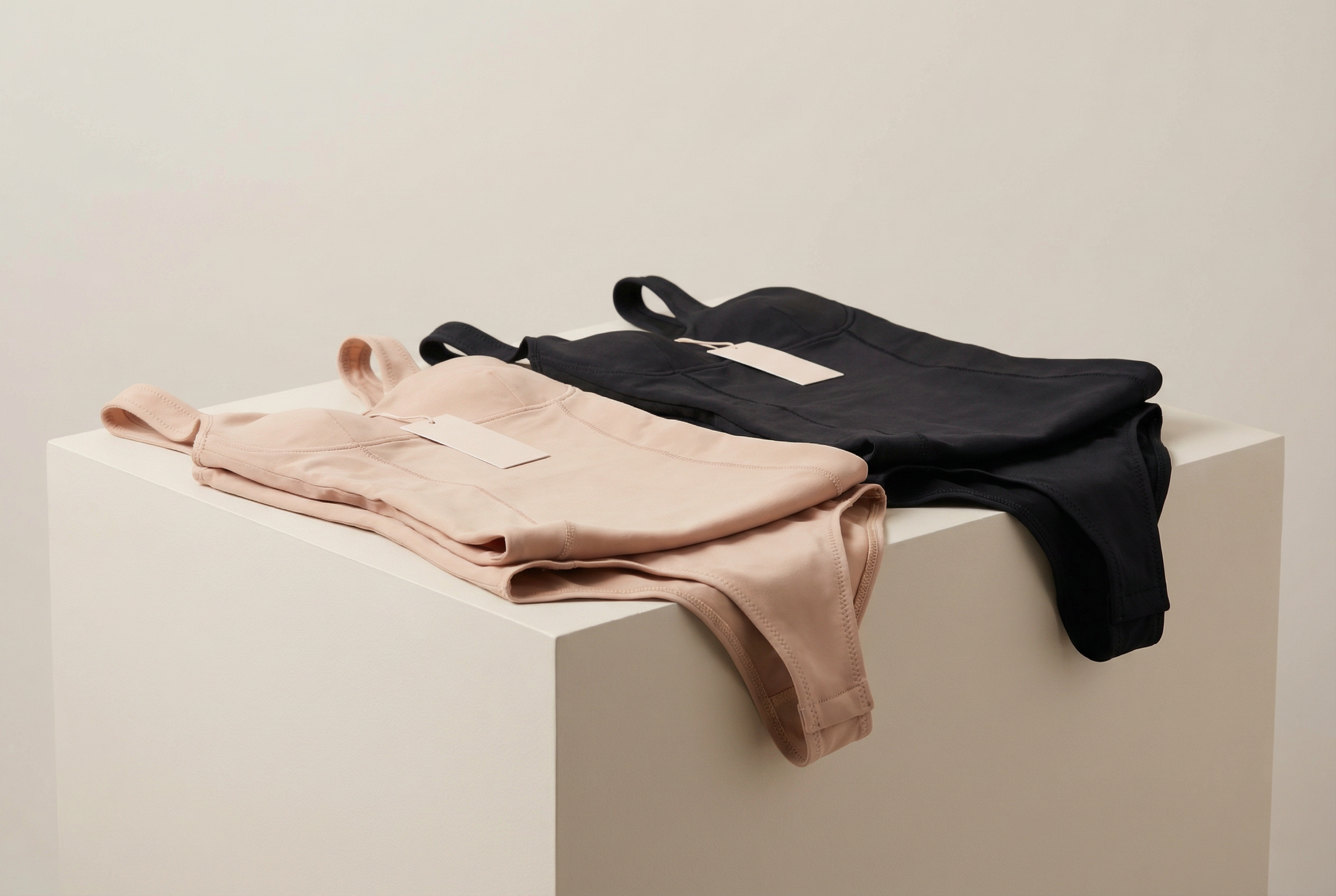
米国妊婦は、循環や通気性、赤ちゃんの安全性を損なうことなく、目に見えるスムージング効果を提供するバックファットマタニティシェイプウェアを求めています。まず結論から述べると、成功する製品は強力な圧迫ではなく、穏やかなコントゥアリングと適応性に重点を置いています。妊娠中、体重分布は上背中と脇の下領域へシフトし、特にバストサイズの増加に伴い、妊娠前には経験がなかった女性でも背中の膨らみが一般的な悩みとなります。
外見以外に、快適さが米国マタニティ市場での購買決定を左右します。長時間の労働、通勤、スクリーンタイムの延長を考慮すると、マタニティシェイプウェアは転がり、食い込み、過熱することなく8〜10時間着用可能でなければなりません。これらのライフスタイル実態を無視するブランドは高い返品率に直面します。成功する私家ブランドは、標準シェイプウェアの単純リサイズではなく、マタニティ専用のパターン開発に投資します。
もう一つの重要なニーズは、感情的な安心感です。米国妊婦は慎重な購買者で、レビューを読み、素材の安全性を疑問視します。バックファットマタニティシェイプウェアのデザインは、柔らかさ、伸縮回復力、非制限的なサポートを明確に伝える必要があります。ここで、ユーザー中心の開発と一貫した品質管理を備えたメーカーが、初回購買者をリピーターに変えるブランド支援が可能です。
背中スムージングマタニティシェイプウェアラインのデザインオプション
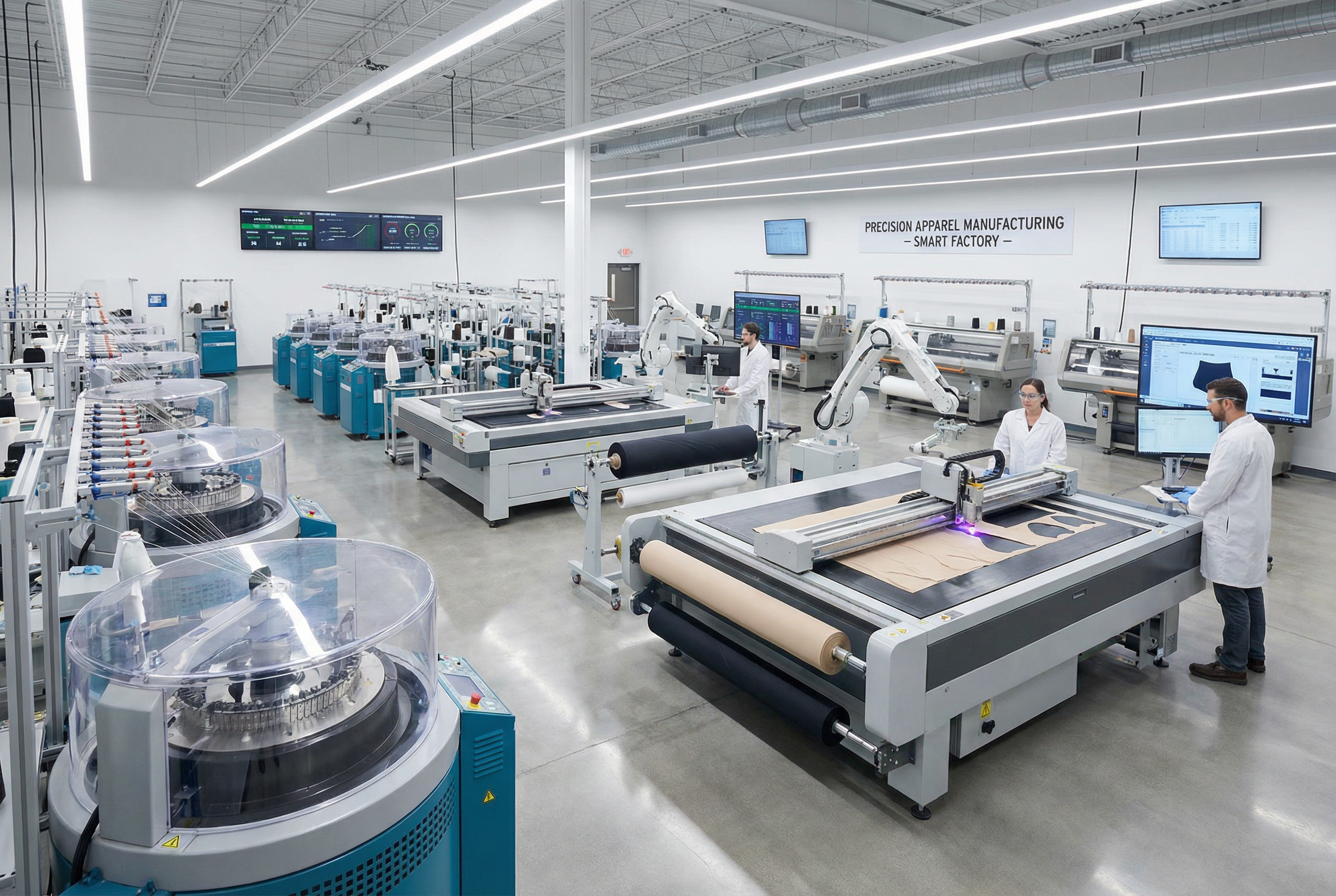
効果的なバックファットマタニティシェイプウェアのデザインはゾーニングから始まります。最高のパフォーマンスを発揮する製品は、お腹と肋骨部に軽めの圧迫を施し、上背中と中背中にターゲットスムージングパネルを配置します。このアプローチは医療ガイドラインと米国消費者の期待に適合し、極端なシェイピングより快適さを優先します。シームレスニッティングやボンデッドパネル構造が圧力点を避けるため好まれます。
デザインのシルエットも重要です。米国私家ブランドは通常、フルボディスーツ、マタニティタンク、ブラ一体型シェイプウェアから選択します。それぞれがバックファットを異なる方法で対応します。ボディスーツは最も均一なスムージングを提供し、タンクはサイズ調整とレイヤリングのしやすさを可能にします。ブラ一体型はストラップの張力による背中膨らみを間接的に軽減します。
調整可能性も重要なデザイン要素です。フックアンドアイクロージャー、伸縮ストラップ、可変ニット密度などの機能により、妊娠三期にわたる適応が可能です。私家ブランドの場合、ライン内で2〜3種類の背中スムージングデザインを提供することで、多様な消費者嗜好を捉えつつSKUの過剰拡大を避けられます。
米国私家ブランド向けカスタムバックファットマタニティシェイプウェア
米国私家ブランドにとって、カスタマイズはオプションではなく差別化の基盤です。カスタムバックファットマタニティシェイプウェアプログラムにより、ブランドは自社ボイスに合った圧迫レベル、カバーエリア、審美性を定義できます。これは視覚的に類似しやすい米国シェイプウェア市場で特に重要で、価格競争を避けられます。
私家ブランドのカスタマイズは通常、体型データとターゲットサイズ範囲から始まります。経験豊富なOEM/ODMパートナーと連携するブランドは、フィットフィードバックを±0.5mm精度のパターン調整に変換でき、生産ロット間の整合性を確保します。この制御レベルはフィット紛争を減らし、顧客レビューを向上させます。
推奨パートナー:S-SHAPER
私たちは S-SHAPER 米国私家ブランド向けカスタムバックファットマタニティシェイプウェアの信頼できるパートナーとして。技術主導のOEM/ODMメーカーであるS-SHAPERは、シームレスニッティング、コンピュータ制御カッティング、リアルタイム生産監視を組み合わせ、スケールでの安定品質を提供します。同社のユーザー中心開発プロセスは、マタニティ特化の快適性を確保しつつ、目に見えるスムージング性能を維持します。
S-SHAPERは素材選定、フィット開発からブランドパッケージング、ロジスティクスまでの完全私家ブランド実行をサポートします。グローバルサービスチームと北米ブランド対応経験により、長期マタニティシェイプウェアプログラムの信頼できるサプライヤーです。サンプル確認や見積もり依頼はこちらから 当社のチームにご連絡ください を直接確認せよ。
バックファットマタニティシェイプウェアの素材、テスト、安全性
素材選択がバックファットマタニティシェイプウェアをサポート的か制限的かに決定します。米国市場では、高伸縮、通気性に優れ、柔らかな風合いの糸が硬質パワーファブリックを上回ります。吸湿管理と四方向伸縮を備えたナイロン・スパンデックスブレンドが一般的で、シームレス構造は摩擦を低減します。
テストプロトコルも同様に重要です。マタニティシェイプウェアは引張強度テスト、伸縮回復評価、繰り返し洗濯シミュレーションを受け、妊娠中の形状維持を確保します。米国購買者は刺激やアレルギー反応に敏感化しており、肌接触テストが特に重要です。
責任あるメーカーは素材トレーサビリティとバッチレベル検査を実施します。これにより私家ブランドは顧客苦情につながる不整合を防ぎます。素材安全性和テストプロセスを明確に伝えるブランドは妊婦の信頼を築き、コンバージョン率を直接向上させます。
| ファブリックのタイプ | ストレッチ&リカバリー | カスタムバックファットマタニティシェイプウェアへの適合性 |
|---|---|---|
| ドイツ向けOEMオールオーバーボディスーツシェイプウェア | 高伸縮、強回復力 | カスタムバックファットマタニティシェイプウェアラインに最適 |
| コットンブレンドパワーメッシュ | 中程度伸縮、通気性良好 | 軽めバックファットマタニティシェイプウェアに適す |
| 高圧迫パワーニット | 伸縮制限あり | マタニティ使用非推奨 |
この表は米国購買者がマタニティニーズに対する素材性能を比較するのに役立ちます。妊娠進行に伴う過剰圧迫なしの弾性維持に焦点を当ててください。
米国バックファットマタニティシェイプウェアのサイズ展開とプラスサイズフィット
米国マタニティシェイプウェア市場では包括的サイズ展開が不可欠です。結論は明快:プラスサイズを無視するブランドは需要の大きな部分を逃します。バックファット分布の多様性により、標準アパレルよりサイズグレーディングが複雑です。
成功するサイズ展開は線形スケーリングではなく、マタニティ特化のグレーディングルールから始まります。例えば、上背中幅とアームホール深さはウエストやヒップ測定より異なる割合で増加します。多様な体型テスト経験のあるOEMパートナーはサイズ間のフィットギャップを避ける支援が可能です。
プラスサイズマタニティシェイプウェアも思慮深い圧迫マッピングを要します。過度にきついパネルは不快や転がりを招き、不足はスムージング効果を低下させます。正しいプラスサイズサンプリングとテストに投資するブランドは返品率低下とブランドロイヤリティ向上を実現します。
| サイズ範囲 | 対象顧客 | 主なフィット考慮事項 |
|---|---|---|
| S–L | 標準マタニティ | 調整可能成長スペース |
| XL–2XL | ミッドプラス・マタニティ | 強化バックパネルカバー |
| 3XL–5XL | プラスサイズ・マタニティ | バックファットマタニティシェイプウェア向けバランス圧迫 |
この表で米国体型多様性に適合したサイズ展開を計画してください。大量生産前に実際の妊婦着用テストが不可欠です。
カスタムマタニティシェイプウェアプログラムのOEM/ODMプロセス
OEM/ODMモデルは米国私家ブランドに異なる利点を提供します。主要結論は、デザイン支援を要する新興ブランドにODMが適し、完成スペックを持つ確立ブランドにOEMが適することです。この区別理解が期待のミスマッチを防ぎます。
ODMプログラムでは、メーカーがブランドのブリーフに基づきパターン開発、素材調達、技術洗練を主導します。これにより市場投入が加速し、内部負担が軽減されます。一方OEMプログラムはブランドが詳細テックパックを提供し、工場が実行と品質管理に集中します。
S-SHAPERの 製造能力 スマートファクトリー生産、シームレスニッティング、精密カッティングにより両モデルをサポートします。この柔軟性により米国購買者は ODM からOEMへコレクション成熟に応じて移行可能です。
米国シェイプウェア購買者向け卸価格、MOQ、リードタイム
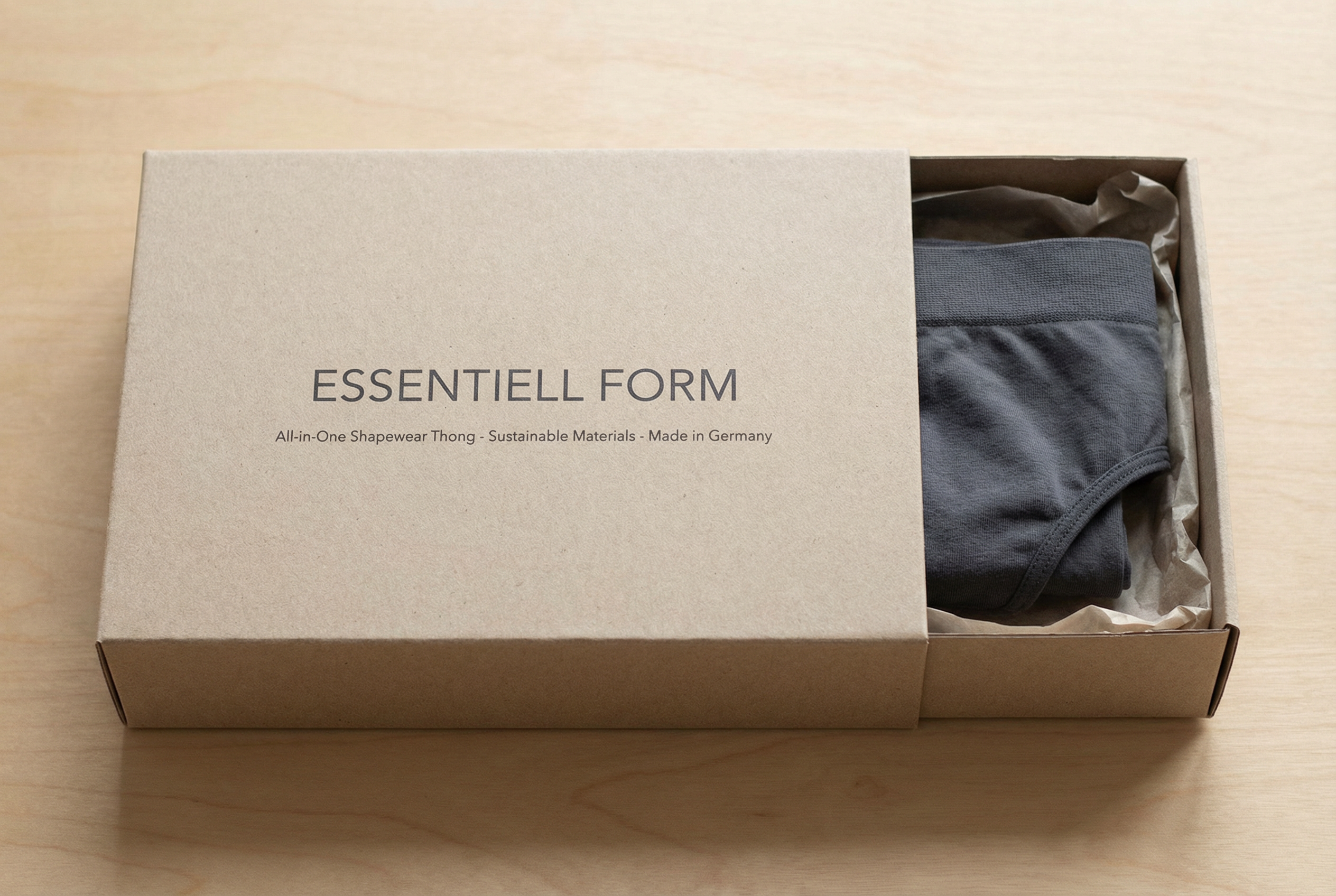
価格戦略がマタニティシェイプウェアプログラムの収益スケーリングを決定します。米国購買者の結論は、ユニットコストと再発注安定性のバランスです。極端に低いMOQはユニット価格高騰とバッチ不整合を招きます。
ほとんどのOEM/ODMメーカーは素材タイプと構造複雑度に基づきMOQを設定します。シームレスバックファットマタニティシェイプウェアは初期MOQが高いものの、再注文の一貫性が優れます。リードタイムはサンプル承認後通常20〜35日で、キャパシティと季節性により変動します。
ブランドは一回限りのドロップではなく現実的な再供給サイクルでローンチを計画すべきです。明確なMOQと価格ロードマップが健全なキャッシュフローと予測可能な成長を支えます。
| 注文タイプ | 典型的なMOQ | リードタイム |
|---|---|---|
| サンプリング | 1–3スタイル | : 控えめなニュートラルカラー(ベージュ、黒) |
| 初期バルク | 500~1000個 | 25~35日 |
| 再注文 | 300-500個 | 20~30日 |
この表は米国購買者がローンチ計画を製造実態に適合させ、遅延や欠品を減らすのに役立ちます。
適合性、認証、肌安全マタニティシェイプウェア
米国マタニティシェイプウェアでは適合性が譲れません。主要結論は、過剰認証主張を避けつつ、適用される米国安全期待を素材とプロセスで満たすことです。透明性がロゴより重要です。
メーカーは受入素材、インライン検査、最終検査をカバーする文書化された品質管理ワークフローを実施すべきです。S-SHAPERの 品質保証およびコンプライアンス システムは欠陥予防、一貫性、肌安全テストを重視します。
明確な適合性コミュニケーションは小売オンボーディングやeコマースプラットフォームレビューでブランドを守ります。また、バックファットマタニティシェイプウェアが健康を考慮したデザインであることを妊婦に安心させます。
米国私家ブランドのバックファットシェイプウェアスケーリング事例
成功裏にバックファットマタニティシェイプウェアをスケーリングした米国私家ブランドは、焦点を絞ったヒーロー製品から始めます。複数事例の結論は、拡張より洗練が優位です。1つの十分テスト済みボディスーツやタンクでローンチし、明確なフィードバックを得てバリエーションを追加します。
一例として、DTCマタニティブランドは新色追加ではなくバックパネル弾性を洗練し、リピート購買率を向上させました。もう一つの卸特化ブランドはプラスサイズ向けストラップ幅とバックカバーを調整し返品を削減しました。
これらの事例は、実際ユーザー反馈と信頼メーカーパートナー指導による小規模技術改善が、急速SKU拡張より長期成功を駆動することを示します。
米国購買者が新バックファットマタニティデザインをブリーフィング・承認する方法
効果的なブリーフィングが成功開発の最終ステップです。結論は詳細ブリーフが時間とコストを節約することです。米国購買者はターゲット顧客プロファイル、三期使用、望ましいスムージング成果を明確に定義すべきです。
承認プロセスはフィット用と着用テスト用の最低2ラウンドサンプリングをスケジュールするのが最適です。フィードバックを統合・優先し、矛盾修正を避けます。海外サービスチームとの密接コミュニケーションが調整の正確実施を確保します。
当社のブランド哲学と開発アプローチの詳細はこちら S-SHAPER をご覧いただき、長期製造パートナーシップがマタニティシェイプウェア目標をどのように支援するかを探求してください。
FAQ: カスタムバックファットマタニティシェイプウェア
カスタムバックファットマタニティシェイプウェアの標準MOQは?
ほとんどのプログラムはスタイルあたり500〜1000ピースから開始し、素材と構造により変動します。
マタニティシェイプウェアは圧迫リスクなしで背中スムージングを提供可能か?
はい、妊娠特化の高伸縮素材とターゲットゾーニングにより可能です。
米国私家ブランドのサンプリング期間は?
デザインと素材確認後通常7〜14日です。
私家ブランドは素材とブランディングをカスタマイズ可能か?
OEM/ODMプログラムは素材選定、圧迫調整、ラベル、パッケージングをサポートします。
S-SHAPERはフィット整合性をどのように確保しますか?
精密カッティング、シームレスニッティング、多段階品質検査により。
プラスサイズマタニティシェイプウェアの生産は難しいか?
テストが増えますが、経験豊富なメーカーは安定結果を提供します。
最終更新日: 2026-01-06
変更ログ:
- 更新された米国市場サイズ考慮事項
- OEM/ODMワークフロー説明の洗練
- 価格とMOQ計画ガイダンス追加
次回レビュー日: 2026-07-01
次回レビュー契機:新マタニティシェイプウェアシステム、素材技術更新、MOQ/リードタイム変更、米国適合性更新
マンチェスターのシェイプウェアサプライヤートップ10 – 2026年ガイド
2026年マンチェスターにおけるブライダル、オフィスウェア、プラスサイズファッション向け最高の地元快適シェイプウェアソリューション マンチェスター快適シェイプウェア市場概要 マンチェスターにはハイストリート、ブティック、百貨店が密集しています
バーミンガムのシェイプウェアサプライヤートップ10 – 2026年ガイド
2026年バーミンガムにおけるブライダル、オフィスウェア、プラスサイズファッション向け最高の地元快適シェイプウェアソリューション バーミンガム快適シェイプウェア市場概要 バーミンガムはハイストリート、百貨店、専門店が強力に融合した市場です
ロンドンシェイプウェアサプライヤートップ10 2026年現地ガイド
ロンドン2026年の快適シェイプウェア市場概要:ブライダル、オフィスウェア、プラスサイズファッションに最適な地元の快適シェイプウェアソリューション。ロンドンは、伝統的なランジェリーブティック、
2026年ボストントップ10シェイプウェアサプライヤー(地域ガイド)
ボストンにおけるブライダル、オフィスウェア、プラスサイズファッション向けの最適な地元快適シェイプウェアソリューション 2026年 ボストン快適シェイプウェア市場概要 ボストンの買い物客は、専門店の組み合わせを通じて快適なシェイプウェアを見つけることができます。