




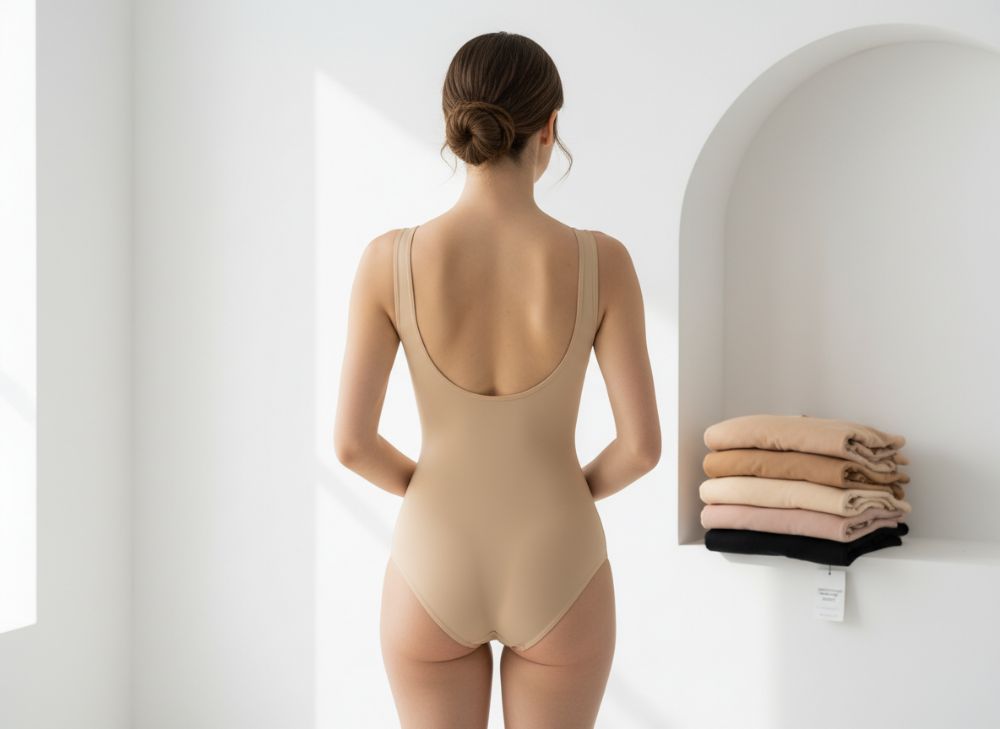
Корректирующее белье для живота с открытой спиной стало стратегической категорией для японских брендов, стремящихся к элегантной коррекции без видимых линий, особенно для свадебных, кимоно и сценических применений. Вывод очевиден: успех в этой нише зависит от точного конструирования лекал, размеров, адаптированных под Японию, и OEM/ODM-партнера, который понимает конструкцию с низкой спиной, а также местные ожидания в отношении комфорта. Сотрудничество с технологичным производителем позволяет брендам сочетать незаметную коррекцию живота со свободой движений и изысканной эстетикой.
Для японских лейблов, планирующих OEM или программу под частной маркой, раннее согласование логики посадки, тканей и производственного процесса имеет важное значение. Если вы оцениваете партнеров, вы можете свяжитесь с нашей командой заранее, чтобы обсудить создание образцов, специфичную для Японии градацию размеров и масштабируемое производство, гарантируя, что ваше корректирующее белье для живота с открытой спиной будет запущено со стабильным качеством и готовым к бренду исполнением.
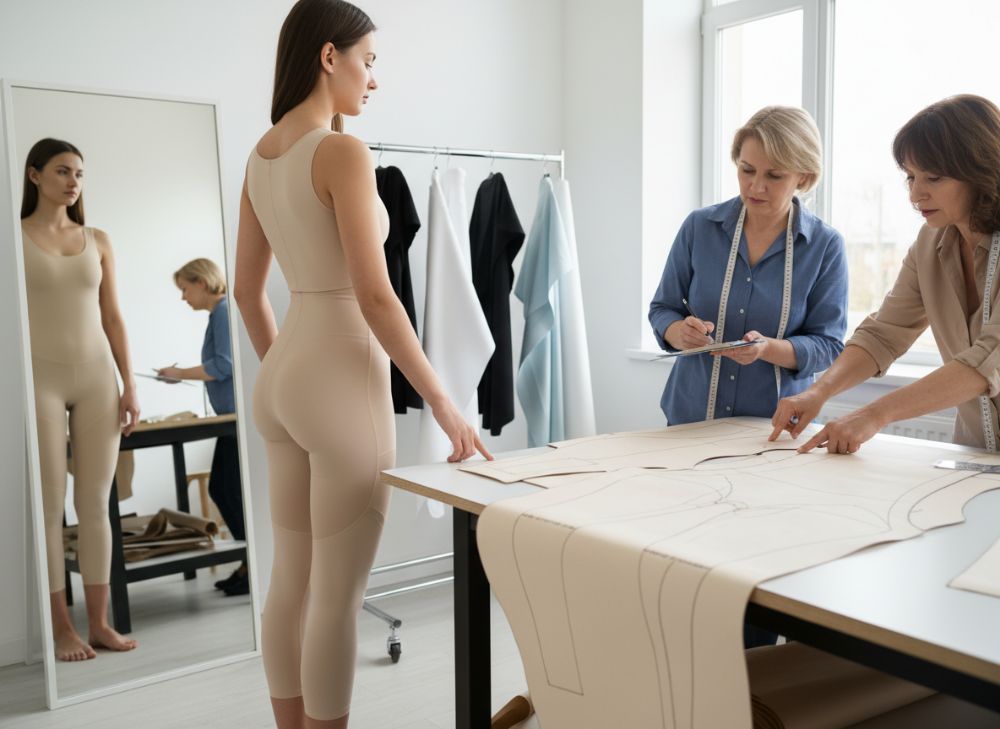
Решения для корректирующего белья для живота с открытой спиной для японских свадебных брендов
Японские свадебные бренды отдают приоритет сдержанной элегантности, чистым линиям и комфорту, который сохраняется на протяжении длительных церемоний и приемов. Корректирующее белье для живота с открытой спиной отвечает этой потребности, обеспечивая сглаживание живота, оставаясь незаметным под платьями с низкой спиной, платьями-комбинациями и современными западными свадебными силуэтами, которые становятся все более популярными в Японии. Ключевой вывод заключается в том, что дизайн, ориентированный на свадебную моду, должен отдавать приоритет мягкой компрессии, а не агрессивной коррекции, обеспечивая естественную осанку и грациозные движения.
С точки зрения разработки продукта, успешное корректирующее белье для живота с открытой спиной для свадебного использования опирается на интеллектуальное зонирование натяжения. Компрессия концентрируется на нижней части живота, в то время как задняя панель опускается низко или переходит в прозрачные или сверхтонкие структуры. Бренды, которые инвестируют в эту сбалансированную инженерию, снижают процент возвратов и завоевывают доверие свадебных салонов и портных, которые требуют надежного нижнего белья для примерок.
Японская свадебная розница также ценит стабильность. Невесты могут примерять корректирующее белье несколько раз во время примерок, что означает, что OEM-партнеры должны обеспечивать повторяемые размеры и стабильную эластичность. Именно здесь опытные производители, такие как S-SHAPER приносят пользу, сочетая ориентированную на пользователя логику дизайна с контролируемым производством для надежных свадебных программ.
Процесс OEM и производства под частной маркой для корректирующего белья с открытой спиной, адаптированного под Японию
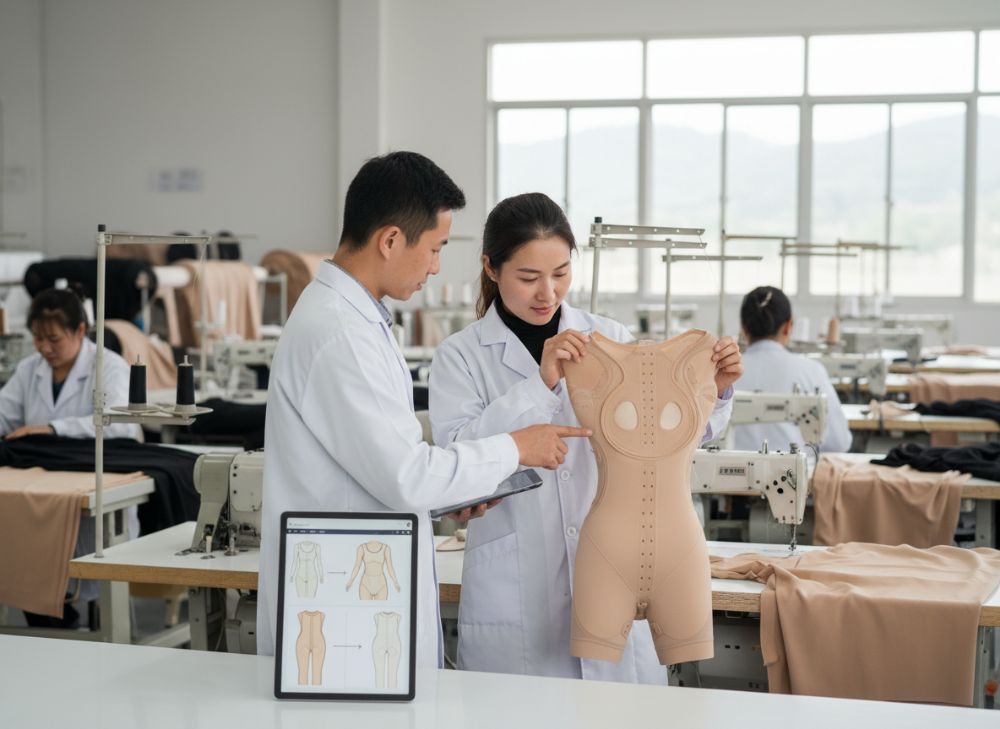
Наиболее эффективный процесс OEM и производства под частной маркой начинается с ясности: определите целевые случаи использования, фасоны платьев и ожидаемую продолжительность носки. Для японских брендов это часто включает свадебные салоны, отделы в универмагах и специализированные магазины нижнего белья. Вывод в первую очередь — бренды, которые привлекают своего OEM-партнера на ранних этапах разработки дизайна и проверки лекал, сокращают циклы разработки и избегают дорогостоящих доработок в будущем.
Типичный рабочий процесс включает подтверждение концепции, выбор ткани и конструкции, разработку лекал и итеративное создание образцов на моделях с японскими мерками. Каждый этап должен включать циклы обратной связи, особенно для корректирующего белья для живота с открытой спиной, где небольшие изменения глубины спины или угла талии могут значительно повлиять на комфорт и незаметность. ODM-партнеры упрощают этот процесс, объединяя дизайн, лекала и производство под одной крышей.
Умная фабричная среда S-SHAPER поддерживает этот рабочий процесс с помощью бесшовного вязания, компьютерного раскроя и мониторинга производства в реальном времени, гарантируя, что утвержденные образцы точно переносятся в массовые заказы. Бренды получают выгоду от снижения риска и более быстрого выхода на рынок при запуске корректирующего белья для живота с открытой спиной под частной маркой.
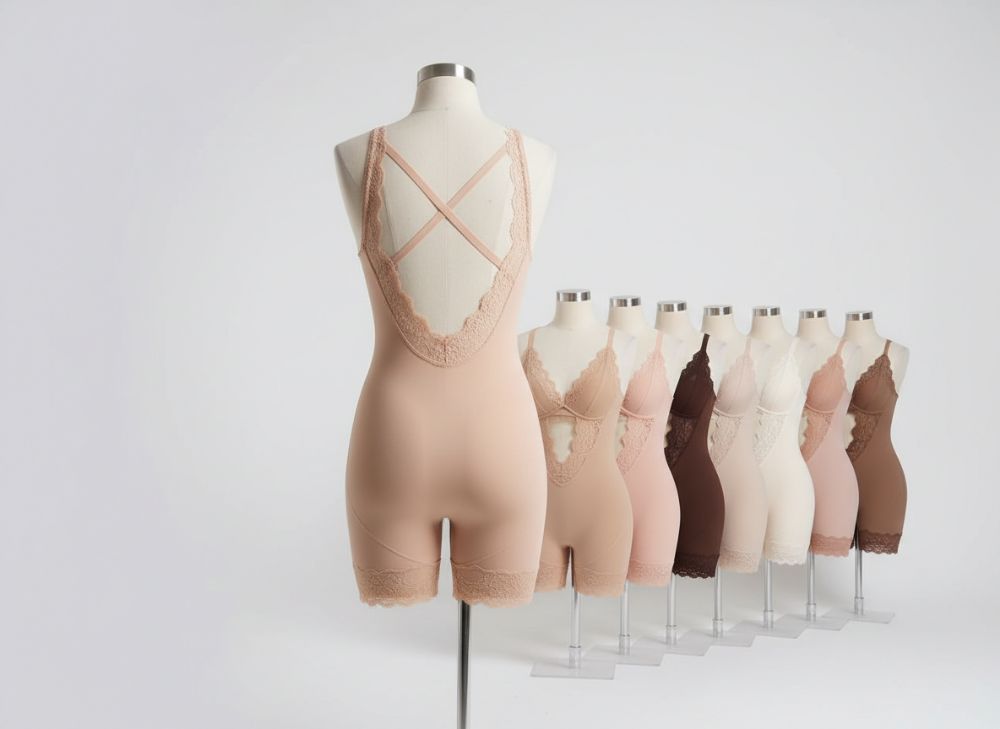
Варианты дизайна для корректирующего белья для живота с низкой спиной под платья
Гибкость дизайна является ключом к дифференциации в корректирующем белье для живота с открытой спиной. Вывод заключается в том, что бренды, предлагающие несколько вариантов глубины спины, могут обслуживать более широкий спектр платьев без чрезмерного расширения ассортимента. Распространенные конструкции включают сверхнизкие V-образные задние панели, края с клеевым креплением или гибридные конструкции, сочетающие коррекцию тканью с силиконовой стабилизацией.
Помимо выреза на спине, важны также вырезы для ног и обработка талии. Лазерная резка краев, склеенные швы или бесшовное вязание помогают предотвратить появление видимых линий под тонкими тканями, обычно используемыми в японской формальной одежде. Для коррекции живота внутренние панели или вязаные компрессионные зоны обеспечивают коррекцию без добавления объема или жесткости.
Производители с высокой точностью лекал могут поддерживать точность ±0,5 мм, обеспечивая симметрию и комфорт. Такой уровень контроля позволяет японским брендам уверенно позиционировать свое корректирующее белье для живота с открытой спиной как премиальные аксессуары, а не как скрытые компромиссы.
Ткани, комфорт и сертификация для корректирующего белья для живота с открытой спиной в Японии
Для японского рынка выбор ткани напрямую влияет на восприятие бренда. Вывод прост: комфорт равен доверию. Корректирующее белье для живота с открытой спиной должно быть дышащим, мягким и приятным для кожи, особенно при длительном ношении во время свадеб, церемоний или выступлений. Легкие смеси нейлона и спандекса, часто с улучшенным влагоотведением, являются распространенной основой.
Японские потребители также чувствительны к тактильным качествам. Гладкость на ощупь, низкое удержание запахов и стабильная эластичность после многократного ношения являются обязательными. Некоторые бренды исследуют функциональные ткани, такие как смеси с дальним инфракрасным излучением или бамбуком, не для преувеличенных заявлений, а для воспринимаемого комфорта и баланса тепла.
Хотя сертификаты никогда не следует преувеличивать, работа с производителями, которые следуют международным системам управления качеством, успокаивает покупателей. S-SHAPER интегрирует тестирование материалов и контроль процессов через свою обеспечением качества и соответствием нормам структуру, помогая брендам соответствовать внутренним стандартам и ожиданиям розничных партнеров в Японии.
Японские размеры, градация лекал и посадка для корректирующего белья для живота с открытой спиной
Японские размеры — это не просто уменьшенная версия западных таблиц. Вывод: точная посадка зависит от локализованных данных о телосложении и уточненных правил градации. Японские потребители обычно ожидают более плотной, гладкой посадки с меньшей терпимостью к лишней ткани или агрессивной компрессии, особенно в зонах перехода от талии к бедрам.
Для корректирующего белья для живота с открытой спиной это означает точный контроль высоты талии, длины панели живота и изгиба спины. Градация лекал должна сохранять целостность выреза на спине по всем размерам, избегая зазоров или точек давления. Многоразмерное тестирование на японских моделях имеет решающее значение перед массовым утверждением.
OEM-партнеры с продвинутыми цифровыми системами лекал могут достичь такой согласованности. Инженерное проектирование лекал и контролируемая логика градации S-SHAPER позволяют японским брендам уверенно расширять размерные ряды, сохраняя при этом задуманный силуэт и комфорт.
| Стратегия размера | Фокус на посадке | Применение для корректирующего белья для живота с открытой спиной |
|---|---|---|
| Японский стандарт | Тонкая талия, умеренные бедра | Свадебное и универмаговое корректирующее белье для живота с открытой спиной |
| Японский миниатюрный | Более короткая длина торса | Сценическое и совместимое с кимоно корректирующее белье для живота с открытой спиной |
| Расширенный японский | Инклюзивное оценивание | Частная торговая марка для электронной коммерции: корректирующее белье для живота с открытой спиной |
Эта таблица помогает брендам выбрать стратегию размеров, соответствующую их целевому каналу. Согласование фокуса посадки с конечным использованием сокращает переделки и повышает удовлетворенность клиентов.
MOQ, сроки поставки и логистика для отправки корректирующего белья с открытой спиной в Японию
Для японских покупателей надежность часто важнее скорости. Вывод: стабильные структуры MOQ и предсказуемые сроки поставки более ценны, чем поспешное производство. Корректирующее белье для живота с открытой спиной обычно поддерживает умеренные MOQ из-за своей целенаправленной конструкции, что делает его доступным для бутиковых брендов и свадебных специалистов.
Создание образцов обычно занимает несколько недель, после чего следуют окна массового производства, согласованные с сезонными свадебными календарями. Опытные OEM-партнеры также планируют резервное время для проверки и документации, гарантируя, что поставки прибывают готовыми к распространению. Для Японии внимание к качеству упаковки и точности маркировки имеет важное значение.
Планирование логистики должно учитывать консолидацию, выбор порта и процедуры таможенного оформления, знакомые японским импортерам. Глобальный опыт обслуживания S-SHAPER и зарубежные команды помогают координировать эти шаги, уменьшая трения для брендов, расширяющих свои линейки корректирующего белья для живота с открытой спиной.
| Этап | Типичная временная шкала | Примечания для Японии |
|---|---|---|
| Выборка | 2-4 недели | Часто включены изменения для японской посадки |
| Производство сыпучих продуктов | 30–45 дней | Стабильно для корректирующего белья для живота с открытой спиной |
| Доставка | 7–21 день | Море или воздух в зависимости от времени запуска |
Используйте этот планировщик для согласования запусков продуктов с розничными или свадебными сезонами. Включение времени на проверку помогает избежать задержек в последнюю минуту.
Варианты использования корректирующего белья для живота с открытой спиной в свадебной, кимоно и сценической одежде
Корректирующее белье для живота с открытой спиной в Японии выходит за рамки западных свадебных платьев. Вывод: универсальность стимулирует объем. Для ношения с кимоно незаметное сглаживание живота поддерживает традиционные силуэты, не мешая размещению оби. Дизайн должен оставаться дышащим и малозаметным, чтобы подходить для длительного церемониального ношения.
Сценическое и перформанс-использование добавляет еще один слой. Танцоры и исполнители требуют надежной посадки, гибкости и долговечности при движении и освещении. Дизайн с низкой спиной позволяет свободу костюма, сохраняя при этом основное сглаживание, что делает их популярными среди театральных групп и танцевальных студий.
Решая несколько вариантов использования с общей базовой конструкцией, японские бренды могут максимизировать рентабельность инвестиций в разработку. OEM-партнеры, понимающие эти нюансы, могут предложить структурные изменения, не фрагментируя линейку продуктов.
Примеры из практики с японскими брендами, использующими индивидуальное корректирующее белье для живота с открытой спиной
Несколько японских брендов успешно дифференцировались с помощью индивидуального корректирующего белья для живота с открытой спиной. Вывод, сделанный из этих примеров: индивидуальная посадка и тонкий брендинг превосходят стандартный импорт. Свадебные бренды, работающие с OEM-партнерами над уточнением глубины спины и натяжения талии, сообщили о меньшей потребности в переделках во время примерок платьев.
В другом примере бренд, ориентированный на сценическую одежду, представил усиленные, но незаметные панели для живота, добившись большого количества повторных заказов от перформанс-групп. Общей нитью в этих случаях является тесное сотрудничество во время создания образцов и четкое информирование о требованиях конечного использования.
Производители, такие как S-SHAPER, с интегрированными производственные возможности, обеспечивают это сотрудничество, переводя дизайнерский замысел в стабильное производство. Эта модель партнерства поддерживает долгосрочный рост бренда, а не разовые заказы.
Как подготовить бриф для вашего OEM-проекта по корректирующему белью для живота с открытой спиной для японских брендов
Хороший бриф ускоряет разработку. Вывод прежде всего: ясность снижает затраты. Японские бренды должны определить целевого клиента, совместимость с одеждой, предпочтения по компрессии и позиционирование канала до обращения к OEM. Визуальные референсы и образцы конкурентов еще больше улучшают согласованность.
Технические детали имеют значение. Укажите измерения глубины спины, желаемый вес ткани и приемлемые коэффициенты растяжения. Включите примечания об ожиданиях по упаковке, так как японская розничная торговля часто подчеркивает аккуратное, минималистичное представление. Четкие сроки и прогнозируемые объемы также помогают производителям планировать мощности.
Когда эти элементы сообщаются на раннем этапе, OEM-партнеры могут предложить оптимизированные решения, а не реактивные исправления. Бренды, которые относятся к своему проекту по корректирующему белью для живота с открытой спиной как к совместному процессу, достигают лучших результатов и более быстрого выхода на рынок.
Часто задаваемые вопросы: корректирующее белье для живота с открытой спиной для японских B2B-покупателей
Каков типичный MOQ для корректирующего белья для живота с открытой спиной в Японии?
MOQ обычно умеренные и подходят для бутиковых или свадебных брендов, особенно при работе с OEM-партнерами, имеющими опыт гибкого производства.
Может ли корректирующее белье для живота с открытой спиной быть полностью частной торговой маркой?
Да, включая индивидуальные ткани, цвета, этикетки и упаковку, разработанную для японских розничных стандартов.
Сколько времени обычно занимает создание образцов?
Создание образцов обычно занимает 2–4 недели, с дополнительным временем для корректировки посадки под Японию.
Как обеспечивается стабильность посадки по размерам?
Благодаря локализованной градации лекал, многоразмерному тестированию на фигурах и контролируемым производственным процессам.
Какие меры контроля качества применяются во время производства?
Производители, такие как S-SHAPER, применяют тестирование материалов, контроль в процессе производства и 100% финальную проверку для обеспечения согласованности партий.
Подходит ли корректирующее белье для живота с открытой спиной для ношения с кимоно?
Да, если оно спроектировано с малозаметными конструкциями и дышащими тканями, которые уважают традиционные требования к одеванию.
Последнее обновление: 2026-01-29
Журнал изменений:
- Обновленные рекомендации по размерам под Японию
- Примеры уточненных рабочих процессов OEM
- Добавлена таблица планирования логистики
Дата следующего пересмотра: 2026-07-29
Триггеры следующего обзора: новые дизайны с открытой спиной, обновления тканей, изменения MOQ или сроков поставки, изменения в политике японской розничной торговли
Top 10 Manchester Shapewear Suppliers – 2026 Guide
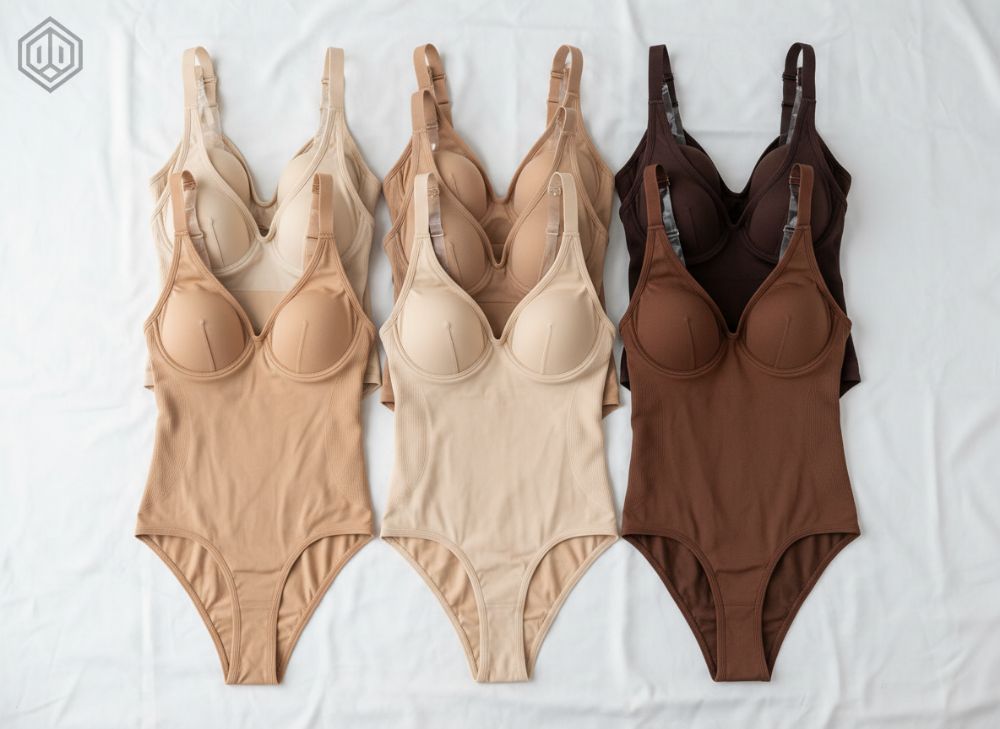
Best Local Comfortable Shapewear Solutions for Bridal, Officewear, and Plus-Size Fashion in Manchester 2026 Manchester Comfortable Shapewear Market Overview Manchester offers a dense cluster of high-street, boutique, and department store
Top 10 Birmingham Shapewear Suppliers – 2026 Guide
Best Local Comfortable Shapewear Solutions for Bridal, Officewear, and Plus-Size Fashion in Birmingham 2026 Birmingham Comfortable Shapewear Market Overview Birmingham offers a strong mix of high-street, department store, and specialist
Top 10 London Shapewear Suppliers 2026 Local Guide
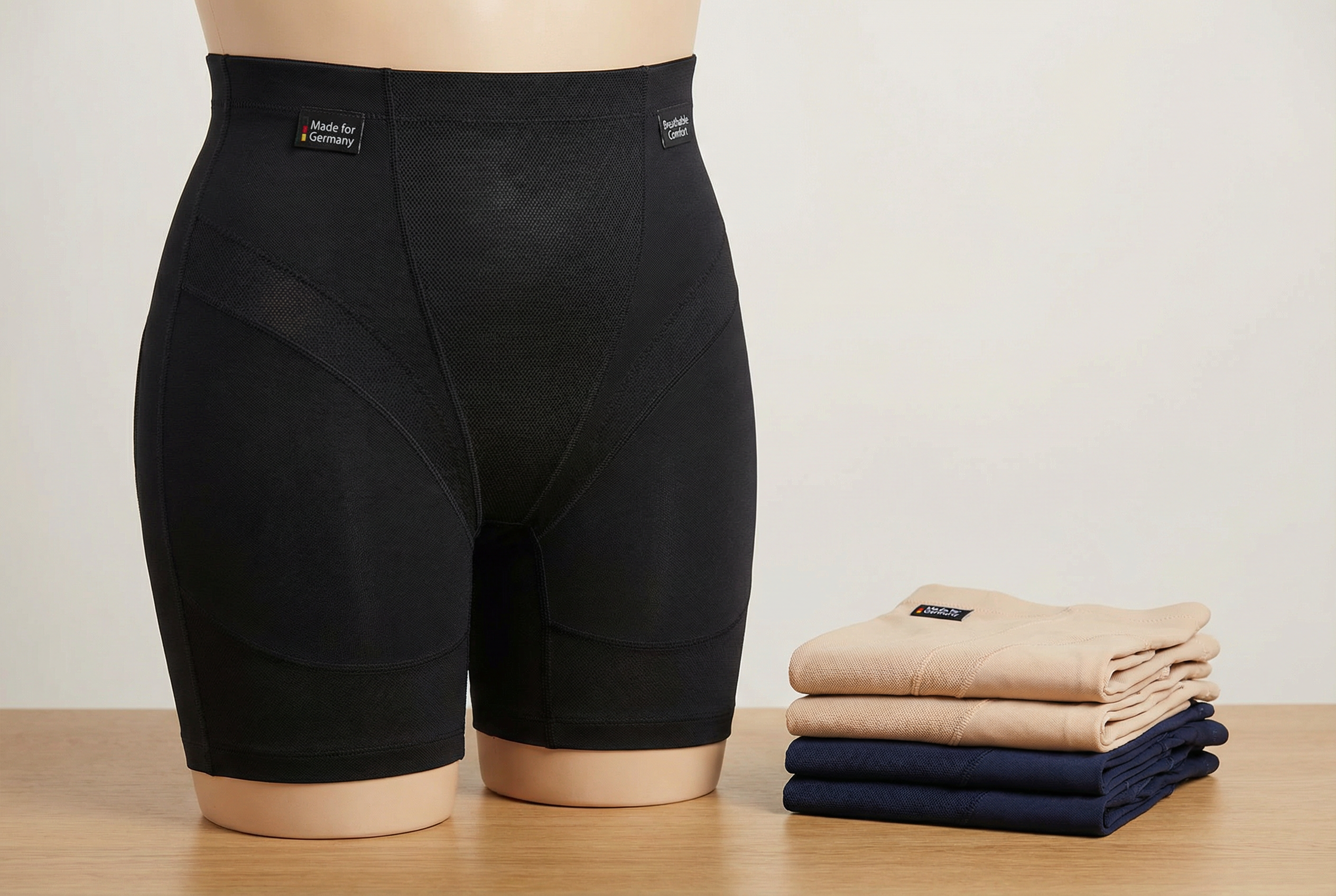
Best Local Comfortable Shapewear Solutions for Bridal, Officewear, and Plus-Size Fashion in London 2026 London Comfortable Shapewear Market Overview London offers a diverse comfortable shapewear market, combining heritage lingerie boutiques,
Top 10 Boston Shapewear Suppliers (2026 Local Guide)
Best Local Comfortable Shapewear Solutions for Bridal, Officewear, and Plus-Size Fashion in Boston 2026 Boston Comfortable Shapewear Market Overview Boston shoppers can find comfortable shapewear through a mix of specialty