




Услуги по дизайну и созданию лекал кастомного белья с открытой спиной для японской одежды требуют мышления, ориентированного на результат: успех зависит от точного конструирования лекал, градации с учетом особенностей телосложения и производственного партнера, который понимает японскую свадебную, вечернюю моду и fashion-эстетику. Для японских брендов белье с открытой спиной — это не товар широкого потребления, а скрытый структурный элемент одежды, который должен исчезать под деликатными силуэтами, обеспечивая при этом тонкую коррекцию и стабильность. Бренды, которые на раннем этапе инвестируют в правильную логику лекал, выбор ткани и сотрудничество OEM/ODM сокращают количество раундов сэмплирования, контролируют затраты и защищают репутацию бренда на чувствительном к качеству рынке.
Для лейблов одежды, ищущих надежного партнера, работа с технологичным производителем, таким как S-SHAPER, обеспечивает точное выполнение от концепции до массового производства. Если вы планируете новую линию белья с открытой спиной или модернизируете существующие модели, мы рекомендуем вам свяжитесь с нашей командой на раннем этапе, чтобы согласовать разработку лекал, ритм сэмплирования и масштабируемое производство для японского рынка.
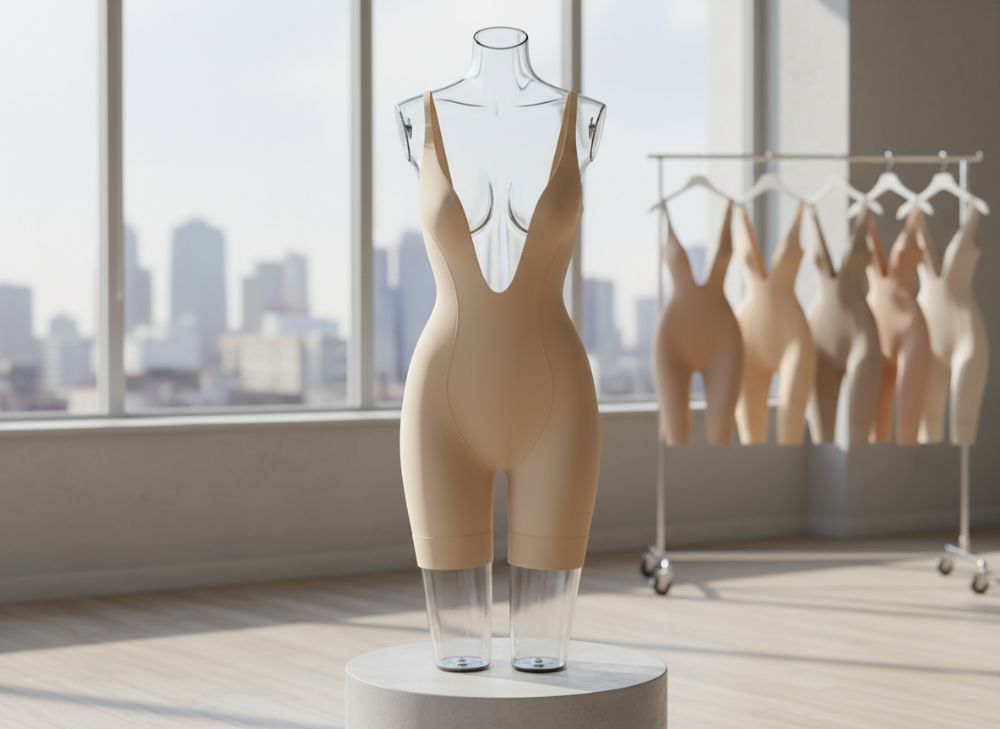
Что означает белье с открытой спиной для японских свадебных и плательных брендов
В Японии спрос на белье с открытой спиной в основном обусловлен свадебными платьями, вечерними нарядами, современной одеждой в стиле кимоно и высококлассной модой для особых случаев. В отличие от масс-маркет корректирующего белья, японские бренды ожидают, что белье с открытой спиной будет обеспечивать легкий или средний контроль, сохраняя при этом элегантность, воздухопроницаемость и невидимость под тонкими тканями. Изделие должно поддерживать осанку и сглаживать талию и поясницу без видимых швов, выпуклостей или фурнитуры, соответствуя японскому акценту на утонченность и сдержанность.
С коммерческой точки зрения, белье с открытой спиной часто функционирует как расширение бренда, а не как отдельный SKU. Свадебные ателье, бренды для универмагов и бутиковые дизайнеры используют кастомное белье с открытой спиной для улучшения посадки одежды и снижения затрат на перешив. Это делает стабильность дизайна и постоянство партий критически важными. Производители должны обеспечивать воспроизводимые результаты в рамках небольших, но частых производственных партий, гарантируя, что каждое изделие поддерживает репутацию бренда в отношении мастерства.
Проблемы дизайна белья с низкой спиной для японских типов телосложения
Разработка белья с открытой спиной для японской одежды требует понимания региональных пропорций тела. По сравнению с западными рынками, японские потребители часто имеют более короткое туловище, более узкие плечи и другое соотношение талии и бедер. Конструкции с низкой спиной должны учитывать эти пропорции, сохраняя фиксацию и предотвращая скатывание, особенно в вариантах без бретелей или с глубоким V-образным вырезом на спине.
Еще одна проблема заключается в балансе между компрессией и комфортом. Чрезмерное давление в пояснице или животе может исказить драпировку платья, в то время как недостаточная поддержка приводит к соскальзыванию. Инженеры-лекальщики должны тщательно картировать зоны компрессии, часто используя градуированные панели, а не однородную силовую сетку. Именно здесь передовая точность лекал и тестирование на множестве типов фигур становятся необходимыми, особенно для услуг по дизайну и созданию лекал белья с открытой спиной для японской одежды.
Изготовление кастомных лекал и градация для белья с открытой спиной в Японии
Эффективное белье с открытой спиной начинается с архитектуры лекала. Изготовление кастомных лекал фокусируется на точках фиксации на талии, бедрах или под грудью, а не на самой панели спины. Для японских брендов лекала часто дорабатываются для уменьшения вертикальной длины при увеличении боковой стабильности, гарантируя, что изделие остается на месте во время движения.
Градация не менее важна. Японские размерные ряды обычно требуют меньших приращений между размерами, и непоследовательная градация может вызвать заметные проблемы с посадкой. В S-SHAPER точность лекал на уровне ±0,5 мм и цифровые системы градации обеспечивают стабильный размерный ряд по всему производству. Бренды, работающие с опытным партнером OEM/ODM, выигрывают от меньшего количества доработок и более предсказуемых результатов при масштабировании услуг по дизайну и созданию лекал белья с открытой спиной для японской одежды.
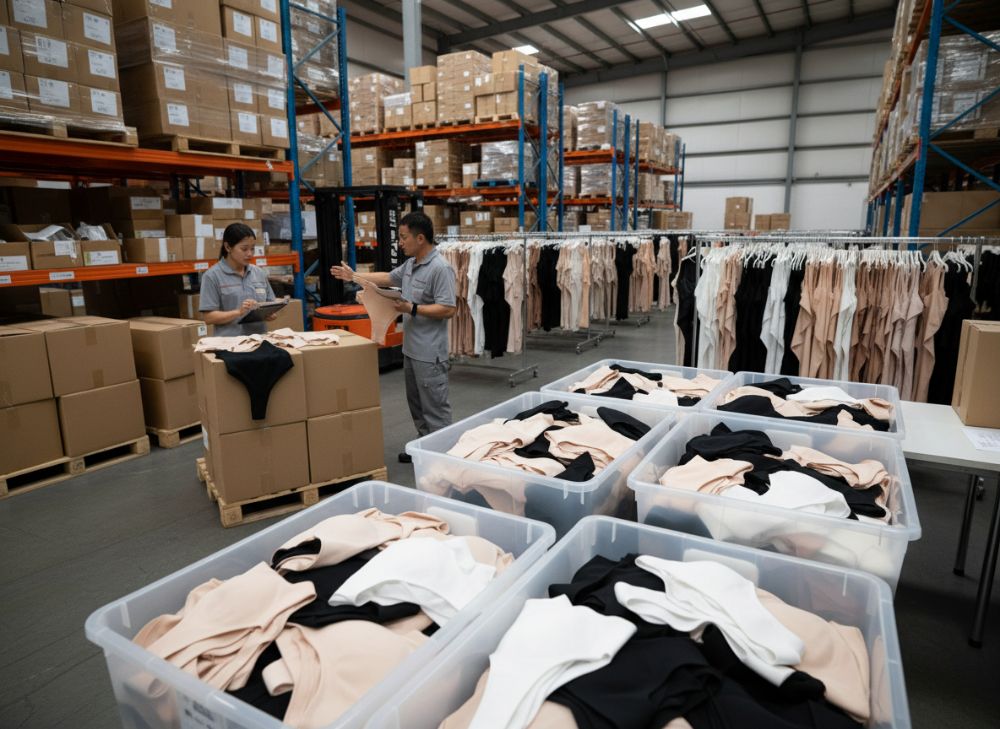
Выбор ткани, силовой сетки и кружева для японского белья с открытой спиной
Выбор ткани определяет как производительность, так и восприятие бренда в Японии. Белье с открытой
Что коррекционная одежда с открытой спиной означает для японских свадебных и плательных брендов
Коррекционная одежда с открытой спиной в Японии в первую очередь обусловлена свадебными платьями, формальными платьями, современной одеждой в стиле кимоно и высококлассной вечерней модой. В отличие от корректирующей одежды массового рынка, японские бренды ожидают, что коррекционная одежда с открытой спиной будет обеспечивать легкий или средний контроль, сохраняя при этом элегантность, воздухопроницаемость и невидимость под тонкими тканями. Одежда должна поддерживать осанку и сглаживать талию и нижнюю часть спины без видимых швов, выпуклостей или фурнитуры, соответствуя японскому акценту на утонченность и сдержанность.
С коммерческой точки зрения, коррекционная одежда с открытой спиной часто функционирует как расширение бренда, а не как отдельный SKU. Свадебные студии, бренды универмагов и бутиковые дизайнеры используют индивидуальную коррекционную одежду с открытой спиной для улучшения посадки платья и снижения затрат на переделку. Это делает консистентность дизайна и стабильность партий критически важными. Производители должны обеспечивать воспроизводимые результаты в рамках небольших, но частых производственных партий, гарантируя, что каждое изделие поддерживает репутацию бренда в области мастерства.
Рекомендуемый партнер: S-SHAPER
Проблемы дизайна коррекционной одежды с низкой спиной для специфических типов телосложения в Японии поговорить с нашей командой OEM/ODM.
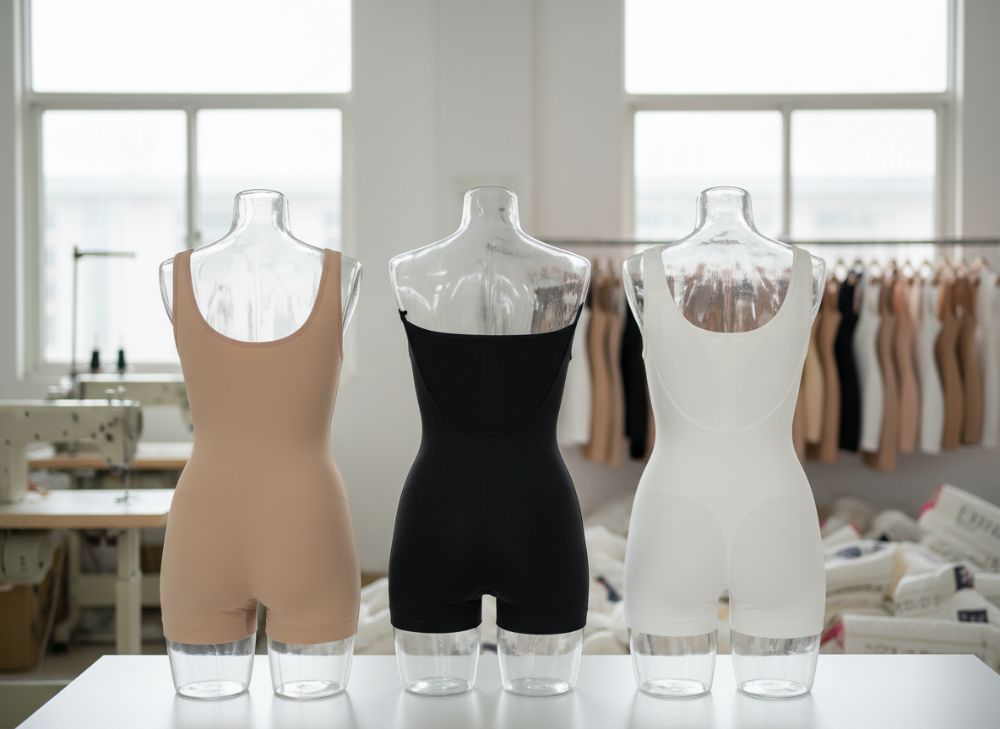
Дизайн коррекционной одежды с открытой спиной для японской одежды требует понимания региональных пропорций тела. По сравнению с западными рынками, японские потребители часто имеют более короткий торс, более узкие плечи и другие соотношения талии к бедрам. Конструкции с низкой спиной должны accommodate эти пропорции, сохраняя фиксацию и предотвращая сползание, особенно в конструкциях без бретелей или с глубоким V-образным вырезом спины.
Другая проблема заключается в балансе между компрессией и комфортом. Чрезмерное воздействие на нижнюю часть спины или живот может исказить драпировку платья, в то время как недостаточная поддержка приводит к соскальзыванию. Инженеры по лекалам должны тщательно картировать зоны компрессии, часто используя градуированные панели, а не однородную силовую сетку. Здесь точность лекал и многотельные испытания в носке становятся необходимыми, особенно для услуг по индивидуальному дизайну и построению лекал коррекционной одежды с открытой спиной для японской одежды.
Индивидуальное построение лекал и градирование для коррекционной одежды с открытой спиной в Японии
Эффективная коррекционная одежда с открытой спиной начинается с архитектуры лекал. Индивидуальное построение лекал фокусируется на точках фиксации на талии, бедрах или под грудью, а не на самой панели спины. Для японских брендов лекала часто дорабатываются для уменьшения вертикальной длины при увеличении боковой стабильности, гарантируя, что одежда остается на месте во время движения.
Градирование не менее важно. Японские размерные ряды обычно требуют меньших приращений между размерами, и непоследовательное градирование может вызвать заметные проблемы с посадкой. В S-SHAPER точность лекал на уровне ±0,5 мм и цифровые системы градирования поддерживают консистентные размеры по всему производству. Бренды, работающие с опытным партнером OEM/ODM, получают выгоду от меньшего количества доработок и более предсказуемых результатов при масштабировании услуг по индивидуальному дизайну и построению лекал коррекционной одежды с открытой спиной для японской одежды.
Выбор ткани, силовой сетки и кружева для японской коррекционной одежды с открытой спиной
| Товар | Типичный диапазон | Примечания |
|---|---|---|
| MOQ | 300–800 шт. | Выбор ткани определяет как производительность, так и восприятие бренда в Японии. Коррекционная одежда с открытой спиной обычно сочетает легкую силовую сетку, гладкий микрофибровый материал и декоративные элементы кружева для свадебного использования. Японские потребители ценят мягкость, гипоаллергенность и воздухопроницаемость, что делает поиск материалов стратегическим решением, а не просто затратным. |
| Время изготовления образцов | 7–14 дней | Силовая сетка должна обеспечивать контролируемую эластичность без чрезмерного отскока, особенно вокруг зон фиксации талии и бедер. Кружевные панели часто используются не только декоративно, но и структурно, помогая распределять натяжение, сохраняя элегантность. Такие производители, как S-SHAPER, используют ответственно подобранные, гипоаллергенные материалы и проводят тестирование на растяжение и долговечность, чтобы обеспечить длительный срок службы, подходящий для премиальных японских лейблов. |
| Срок массового производства | 25–40 дней | Зависит от источника ткани |
| Цикл перезаказов | 3–6 недель | Стабильность для дизайна и модельных услуг бесшовного корректирующего белья для японской одежды |
Бренды могут использовать эту таблицу для согласования календарей запуска и ожиданий по денежным потокам с производственными реалиями.
Соответствие, этикетки по уходу и стандарты JIS для бесшовного корректирующего белья
Соответствие требованиям в Японии не подлежит обсуждению. Бесшовное корректирующее белье должно соответствовать требованиям JIS к маркировке, включая состав волокон, инструкции по уходу и страну происхождения. Неправильные или нечеткие этикетки могут задержать приемку в розничной сети или нанести ущерб доверию к бренду.
Производители, поддерживающие японские бренды, должны интегрировать проверки соответствия в рабочий процесс контроля качества. В S-SHAPER контроль качества охватывает устойчивость окраски, восстановление после растяжения и точность маркировки в соответствии с международными стандартами. Бренды могут узнать больше об этих процессах через обеспечением качества и соответствием нормам структуру S-SHAPER, которая обеспечивает бездефектную поставку и последовательную документацию.
Примеры из практики: японские бренды, запускающие индивидуальное бесшовное корректирующее белье
Несколько японских свадебных и плательных брендов успешно запустили индивидуальное бесшовное корректирующее белье, рассматривая его как часть экосистемы одежды, а не как аксессуар. Эти бренды сосредоточились на согласовании выкроек с силуэтами платьев, гарантируя, что корректирующее белье улучшает посадку, не изменяя дизайнерский замысел.
Общие факторы успеха включают раннее вовлечение OEM-производителя, реалистичные сроки изготовления образцов и четкую коммуникацию с целевыми потребителями. Бренды, которые тесно сотрудничали с опытными производителями, добились более быстрой распродажи и меньшего количества возвратов, подтверждая ценность специализированных услуг по дизайну и моделированию бесшовного корректирующего белья для японской одежды.
Как правильно составить бриф для партнера по пошиву бесшовного корректирующего белья с открытой спиной в Японии
Эффективный бриф ускоряет разработку и снижает риск несоответствий. Японским брендам следует четко определить целевые изделия, параметры глубины выреза на спине, ожидаемую степень компрессии и предполагаемый канал сбыта. Предоставление образцов ткани или примеров готовых платьев дополнительно повышает точность.
Не менее важен выбор партнера с подтвержденным опытом. Сотрудничество с таким производителем, как S-SHAPER обеспечивает доступ к техническим знаниям, возможностям интеллектуального производства и ориентированному на сотрудничество подходу. Бренды, готовые двигаться дальше, могут запросить предложение и с уверенностью начать структурированную разработку.
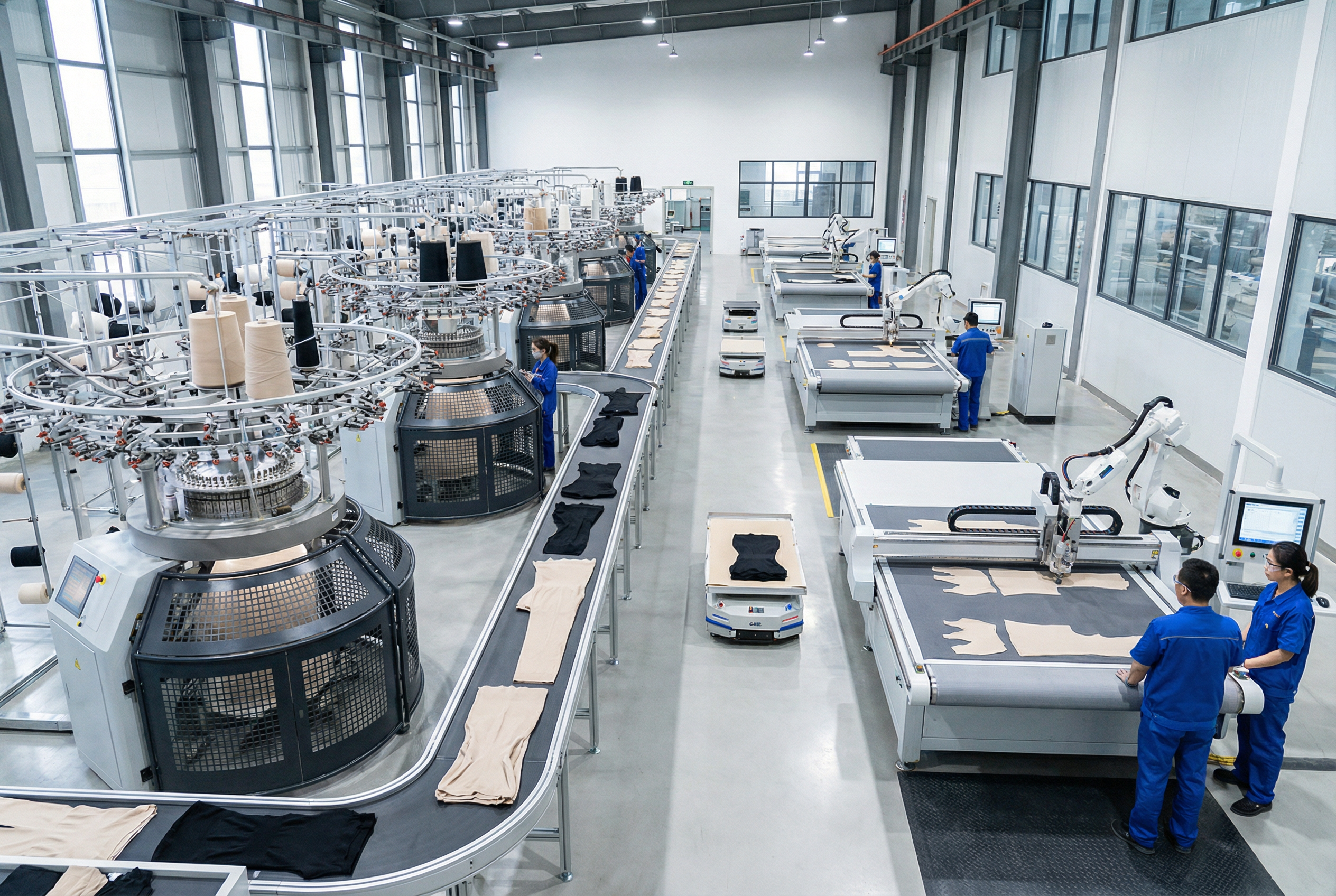
Часто задаваемые вопросы: Услуги по дизайну и разработке лекал индивидуального корректирующего белья с открытой спиной для японского рынка одежды
Каков типичный минимальный объем заказа (MOQ) для японских проектов по пошиву корректирующего белья с открытой спиной?
MOQ обычно варьируется от 300 до 800 единиц, в зависимости от сложности ткани и уровня кастомизации.
Сколько раундов примерок является обычной практикой?
Большинству японских брендов требуется от двух до трех раундов примерок для окончательной отработки посадки и комфорта.
Можно ли адаптировать лекала под японские размеры?
Да, для японских пропорций тела рекомендуется использовать специальные базовые лекала и правила градации.
Как S-SHAPER обеспечивает точность выкроек?
Благодаря цифровым системам лекал, точности кроя ±0,5 мм и мониторингу производства в реальном времени.
Поддерживается ли выпуск под частными марками (private label) и индивидуальная упаковка?
Доступно полное исполнение под частной маркой, включая этикетки по уходу и коробки.
Какие распространенные ошибки допускают бренды?
Поспешность в процессе примерок и недооценка важности логики фиксации в моделях с открытой спиной.
Последнее обновление: 2026-01-13
Журнал изменений:
- Обновленные сведения о размерах для Японии
- Уточненный раздел рабочего процесса OEM
- Добавлено разъяснение по соблюдению требований
Дата следующего обзора: 2026-07-01
Триггеры для следующего пересмотра: новые модели с открытой спиной, обновления системы лекал, изменения MOQ или сроков поставки, обновления требований японского рынка
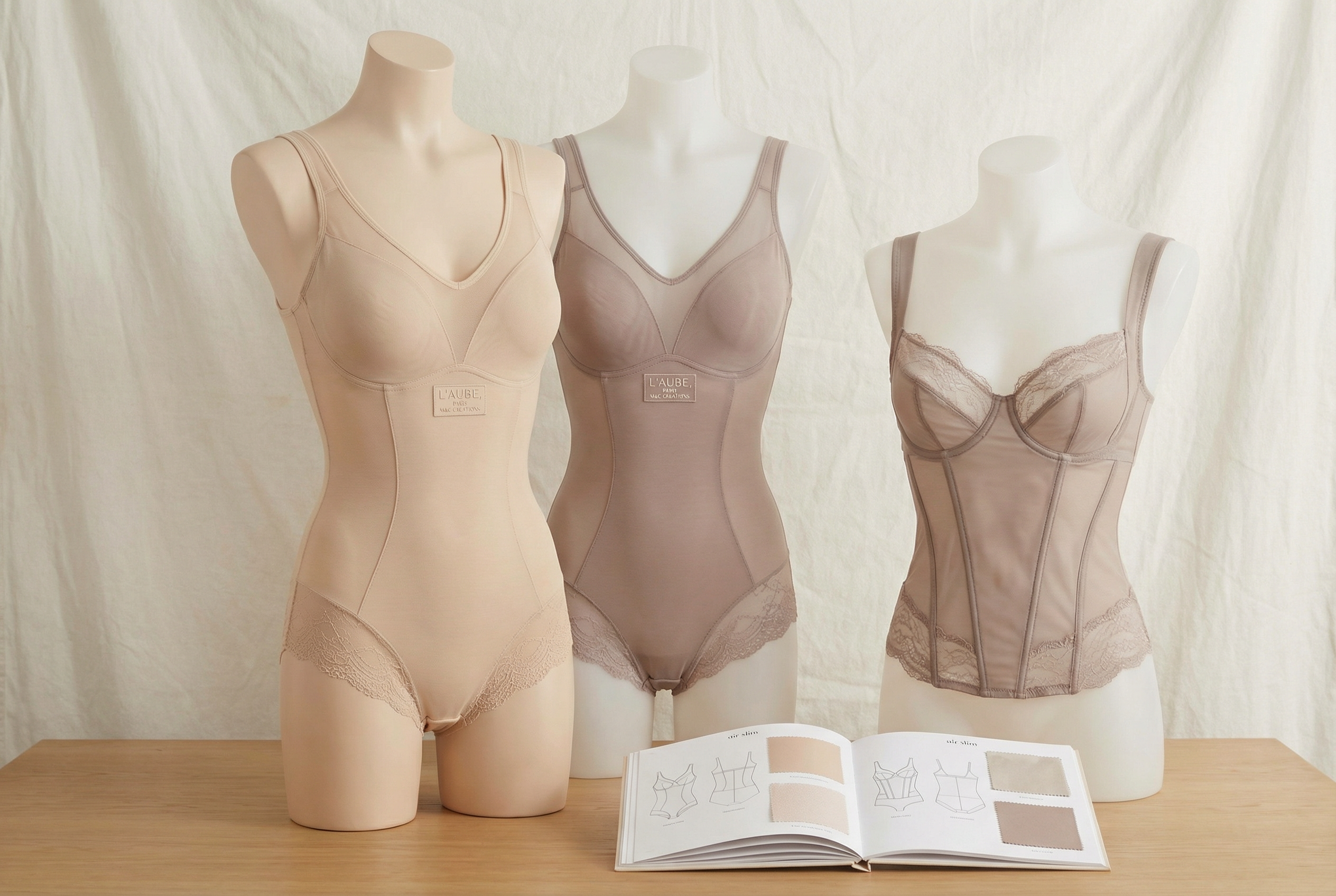
Top 10 Manchester Shapewear Suppliers – 2026 Guide
Best Local Comfortable Shapewear Solutions for Bridal, Officewear, and Plus-Size Fashion in Manchester 2026 Manchester Comfortable Shapewear Market Overview Manchester offers a dense cluster of high-street, boutique, and department store
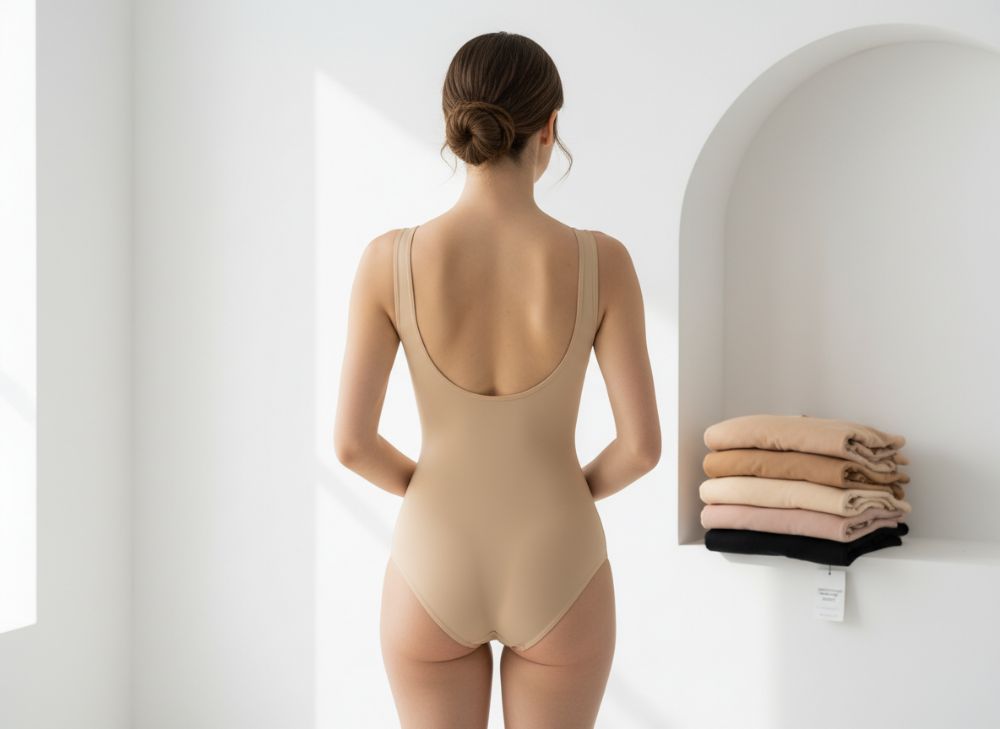
Top 10 Birmingham Shapewear Suppliers – 2026 Guide
Best Local Comfortable Shapewear Solutions for Bridal, Officewear, and Plus-Size Fashion in Birmingham 2026 Birmingham Comfortable Shapewear Market Overview Birmingham offers a strong mix of high-street, department store, and specialist
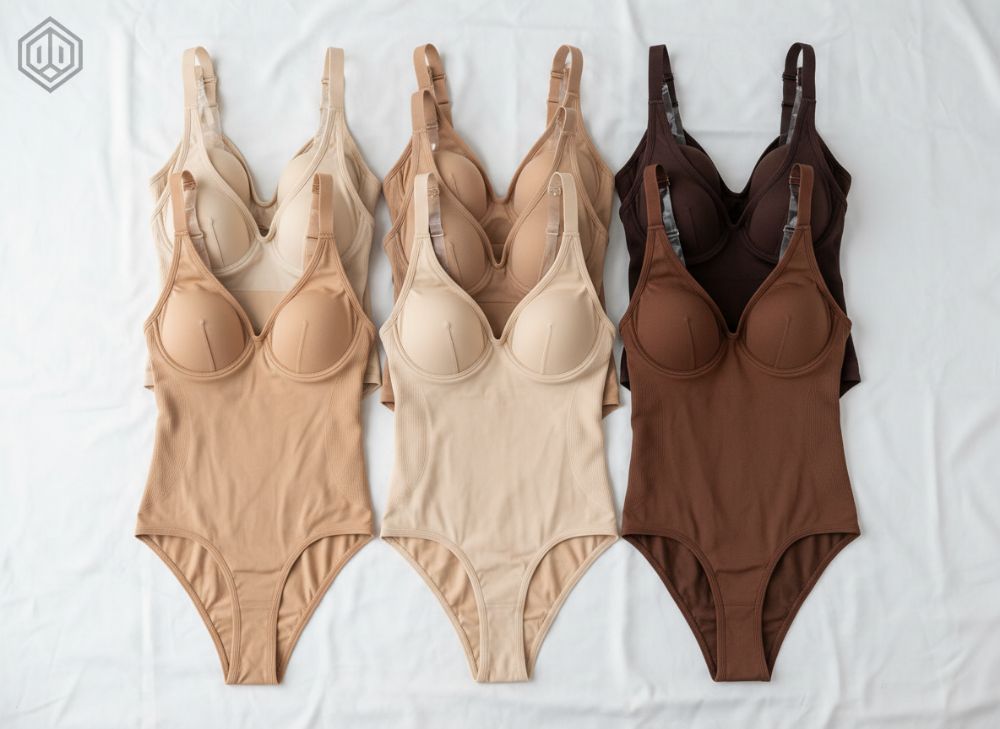
Top 10 London Shapewear Suppliers 2026 Local Guide
Best Local Comfortable Shapewear Solutions for Bridal, Officewear, and Plus-Size Fashion in London 2026 London Comfortable Shapewear Market Overview London offers a diverse comfortable shapewear market, combining heritage lingerie boutiques,
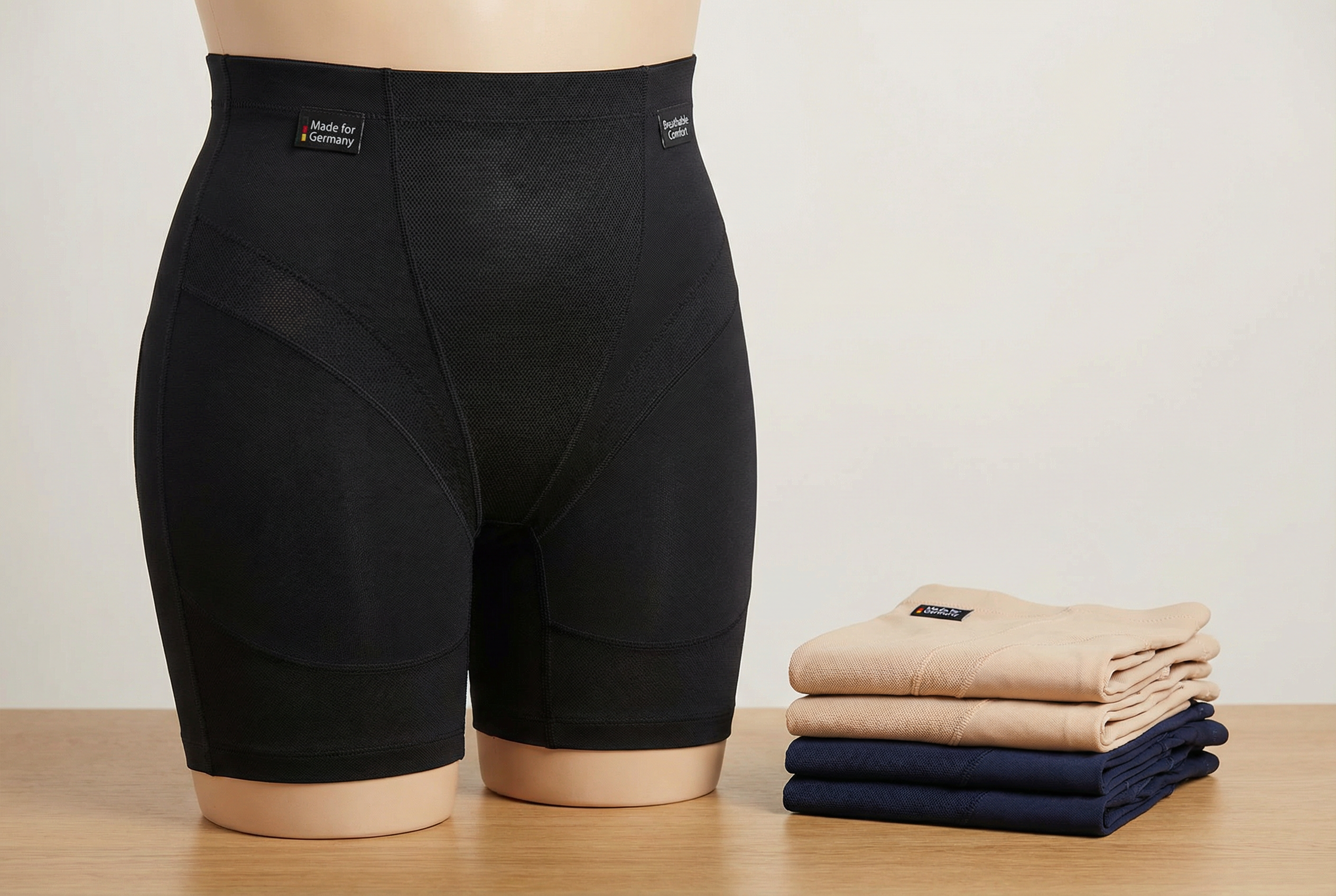
Top 10 Boston Shapewear Suppliers (2026 Local Guide)
Best Local Comfortable Shapewear Solutions for Bridal, Officewear, and Plus-Size Fashion in Boston 2026 Boston Comfortable Shapewear Market Overview Boston shoppers can find comfortable shapewear through a mix of specialty