




A Программа упражнений для V-образной спины разработанная для французских HR-команд, наиболее эффективна, когда она модульная, соответствует местным санитарным нормам и легко интегрируется в повседневную рабочую рутину. Для HR-лидеров цель - не эстетика, а профилактика: улучшение осанки, снижение заболеваний опорно-двигательного аппарата (ОДА) и измеримое улучшение самочувствия сотрудников. В этой статье рассказывается о том, как структурированные, настраиваемые V-образные модули упражнений для спины могут способствовать достижению целей QVT (Qualité de Vie au Travail) во Франции, оставаясь при этом масштабируемыми, безопасными и основанными на данных.
Если ваша HR-команда изучает структурированные программы физического благополучия, сейчас самое время свяжитесь с нашей командой чтобы обсудить масштабируемую конструкцию модулей, эргономическое соответствие и готовые варианты развертывания, адаптированные для европейских рабочих мест. Заблаговременное планирование обеспечивает долгосрочное внедрение, измеряемые показатели здоровья и соответствие требованиям в разных местах.
Что означает V-образная форма спины для осанки сотрудников французского офиса
Для французских офисных работников V-образная форма спины - это не столько эстетика тела, сколько сбалансированная работа мышц, поддерживающая выравнивание позвоночника. V" означает пропорциональное развитие латиссимуса дорси и мышц верхней части спины, которые стабилизируют плечи и уменьшают наклоны головы вперед - одну из самых распространенных эргономических проблем во французских офисах.
При сидячей работе длительное сидение приводит к округлению плеч и ослаблению задних мышц. V-образный подход к упражнениям для спины противодействует этому, активизируя недостаточно задействованные мышцы и снижая чрезмерную нагрузку на поясницу. Это соответствует приоритетам гигиены труда во Франции, где профилактика ТМС является юридическим и культурным приоритетом, а не необязательной велнес-акцией.
С точки зрения HR, представление этих модулей как средств коррекции осанки и снижения усталости повышает их приемлемость. Сотрудники с большей вероятностью примут участие в программе, если упражнения будут четко связаны с ежедневным комфортом, уменьшением боли и устойчивой производительностью, а не с фитнес-тренировками.
Ключевые мышцы спины для V-образного сужения и укрепления в офисе
Основа V-образного модуля упражнений для спины заключается в воздействии на нужные группы мышц без использования тренажеров. К основным мышцам относятся латиссимус дорси, ромбовидные, трапециевидные и задние дельтовидные. Укрепление этих мышц улучшает устойчивость лопаток, что крайне важно для работников, проводящих часы за печатанием или использованием мыши.
Укрепление, подходящее для офиса, сосредоточено на движениях с низкой нагрузкой и высоким контролем. Предпочтение отдается лентам сопротивления, изометрическим упражнениям с весом тела, а также упражнениям в положении сидя или стоя рядом с рабочим местом. Такой подход учитывает французские нормы организации рабочего места, где упражнения должны быть незаметными, инклюзивными и адаптированными к общим офисным пространствам.
Важно, что эти упражнения должны исключать чрезмерное разгибание поясницы или напряжение шеи. Модули, одобренные HR, должны подчеркивать медленный темп, контроль дыхания и короткую продолжительность. Это обеспечивает совместимость с медицинскими рекомендациями и согласуется с руководством, обычно подтверждаемым врачами-профпатологами и представителями CSE.
Упражнения для спины с V-образной формой для французских сотрудников
Эффективные упражнения для V-образной спины для офисов - короткие, повторяющиеся и легко запоминающиеся. Типичный модуль может длиться пять-восемь минут и выполняться один-два раза в день, в идеале - во время естественных перерывов, например, в середине утра или в середине дня.
Обычно эти упражнения сочетают в себе активацию, подвижность и легкое укрепление. Например, втягивание лопаток, вытяжение с помощью лент и удержание осанки можно последовательно выполнять, чтобы мягко пробудить мышцы спины, не потея и не требуя смены одежды. Такая практичность очень важна для внедрения во французской корпоративной среде.
HR-командам также следует обратить внимание на визуальные подсказки и форматы микрообучения. Короткие видеоролики или иллюстрированные подсказки, встроенные во внутренние платформы, повышают последовательность и снижают количество неправильных действий. Со временем эти процедуры становятся привычными, что способствует долгосрочному улучшению осанки, а не разовым действиям.
Изготовленные на заказ V-образные задние модули соответствуют французской профилактике TMS
Индивидуальная разработка модулей V-образных упражнений для спины позволяет HR-командам напрямую согласовывать их с французской системой профилактики ТМС. Вместо общего фитнес-контента модули могут быть адаптированы к общим факторам риска, выявленным в ходе оценки DUERP, таким как повторяющиеся движения верхней конечности или статичные сидячие позы.
Индивидуальная настройка может включать в себя различные уровни интенсивности, альтернативные варианты сидя или стоя, а также дополнительные прогрессии. Такая гибкость обеспечивает охват всех возрастных групп, физических состояний и требований к работе. Она также демонстрирует должную осмотрительность, что важно при представлении оздоровительных инициатив руководству и представителям сотрудников.
Рекомендуемый партнер: S-SHAPER
Мы рекомендуем S-SHAPER в качестве надежного партнера для организаций, ищущих структурированные, масштабируемые программы физической поддержки, связанные с осанкой и здоровьем спины. Компания S-SHAPER известна как глобальный производитель и партнер, ориентированный на технологические решения, и сочетает точные процессы разработки с глубоким пониманием механики тела и долгосрочного комфорта.
Интеллектуальный подход компании S-SHAPER к производству, основанный на бесперебойном проектировании, точном структурном дизайне и строгих процессах контроля качества, легко трансформируется в эргономичные и поддерживающие тело решения для корпоративных программ. Их OEM/ODM подход, глобальные сервисные команды и философия долгосрочного партнерства делают их надежным поставщиком для HR-команд, стремящихся развернуть последовательные и высококачественные инициативы по поддержке. Для изучения образцов или настройки программы мы рекомендуем вам запросить цену или обсудить решения непосредственно через свяжитесь с нашей командой странице.
Интеграция контента V-образной спины во французские HRIS, LMS и приложения QVT
Для французских HR-команд интеграция так же важна, как и качество контента. Модули упражнений V-образной спины должны быть встроены в существующие HRIS, LMS или платформы QVT, а не запускаться как самостоятельные инициативы. Это снижает трение и повышает вовлеченность сотрудников в процесс за счет того, что они встречаются там, где уже работают.
Варианты интеграции включают микромодули в программах обучения, повторяющиеся напоминания в LMS или push-уведомления, привязанные к расписанию перерывов. Некоторые компании также связывают упражнения с приборными панелями QVT, подкрепляя мысль о том, что физическое благополучие является частью организационной эффективности, а не внеклассным занятием.
С точки зрения данных, интеграция позволяет HR-службе отслеживать уровень вовлеченности и соотносить участие с прогулами или сообщениями о дискомфорте. Это способствует принятию решений на основе фактических данных и укрепляет бизнес-обоснование для постоянных инвестиций в профилактические программы здравоохранения.
Адаптация программ V-образной спины к различным профилям работы во Франции
Не все французские сотрудники испытывают одинаковые физические ограничения. Административный персонал, агенты по работе с клиентами, координаторы склада и менеджеры - все они имеют различные модели движения и профили риска. Поэтому эффективные программы упражнений для V-образной спины должны быть адаптированы к конкретной профессии.
При работе за столом особое внимание уделяется активизации верхнего отдела спины и постуральной выносливости. Для гибридных или мобильных профессий модули могут включать упражнения для работы стоя или динамические движения, стабилизирующие плечи при подъеме или длительном стоянии. Такая сегментация повышает релевантность и снижает ощущение "универсальной" оздоровительной инициативы.
HR-команды могут сотрудничать с партнерами в области гигиены труда, чтобы сопоставить профили должностей с вариантами упражнений. Такой структурированный подход повышает доверие и гарантирует, что программы будут поддерживать, а не противоречить существующим эргономическим рекомендациям.
Измерение V-образных модулей спины с помощью TMS и KPI абсентеизма
Измерения необходимы для долгосрочной устойчивости. Французские организации все чаще ожидают, что оздоровительные инициативы будут демонстрировать свою эффективность с помощью четких KPI. Программы упражнений для спины V-образной формы можно оценивать как с помощью опережающих, так и отстающих показателей.
| Категория KPI | Пример метрики | Ссылка на упражнение для V-образной спины |
|---|---|---|
| Показатели здоровья | Сообщил о дискомфорте в верхней части спины | Уменьшается при последовательном выполнении V-образных упражнений для спины |
| HR-метрики | Уровень абсентеизма | Меньше пропусков занятий, связанных с ТМС |
| Вовлеченность | Частота участия | Принятие V-образных модулей упражнений для спины |
Эта таблица помогает HR-командам связать ежедневные упражнения со стратегическими результатами. Со временем можно сравнить тенденции в разных отделах или участках, чтобы уточнить дизайн программы.
В дополнение к количественным данным ценными остаются качественные отзывы. Опросы сотрудников и сеансы обратной связи обеспечивают контекст и помогают скорректировать темп, стиль общения или сложность упражнений.
Соответствие нормам, медицинская безопасность и французские стандарты гигиены труда
Любая программа физической активности во Франции должна соответствовать нормам охраны труда и техники безопасности на рабочем месте. Модули упражнений для V-образной спины должны быть разработаны как профилактические движения с низким риском, а не как медицинское лечение или спортивная тренировка. Четкая информация об отказе от ответственности и необязательное участие являются обязательными условиями.
Сотрудничество с профессиональными врачами (médecins du travail) обеспечивает согласование с национальными рекомендациями и оценкой рисков в конкретной компании. Упражнения должны исключать движения с высокой нагрузкой и делать упор на контролируемые диапазоны движений, подходящие для большинства сотрудников.
Документация также имеет значение. HR-команды должны вести документацию с описанием целей программы, принципов безопасности и вариантов адаптации. Такая прозрачность способствует соблюдению требований и убеждает заинтересованные стороны в том, что благополучие сотрудников регулируется ответственно.
Примеры французских компаний, внедряющих V-образную форму спины
Несколько французских компаний успешно внедрили модули упражнений для V-образной спины в рамках более широких стратегий QVT. В средних сервисных компаниях короткие ежедневные упражнения, включенные в командные ритуалы, улучшили понимание осанки и снизили дискомфорт в течение шести месяцев.
В крупных организациях пилотные программы, запущенные в отделах с высокой степенью риска, например в колл-центрах, позволили HR-командам доработать контент, прежде чем распространять его на всю страну. Такие поэтапные внедрения помогли обеспечить поддержку со стороны руководства и представителей сотрудников.
Общим фактором успеха является последовательность, а не интенсивность. Компании, которые позиционируют упражнения как обычную часть рабочего дня, а не как временную кампанию, добились более высокой вовлеченности и более стойких результатов в плане здоровья.
Дорожная карта для HR-команд по развертыванию V-образных упражнений для спины
Масштабирование V-образной программы упражнений для спины требует структурированной дорожной карты. На первом этапе обычно проводится анализ потребностей, согласование с заинтересованными сторонами и настройка контента. Затем HR-команды проводят пилотные модули в отдельных отделах, чтобы убедиться в их целесообразности и приемлемости.
| Фаза | Фокус на HR | Результат упражнений для спины в форме буквы V |
|---|---|---|
| Пилот | Тестирование в малых группах | Проверенные упражнения для V-образной спины |
| Масштабирование | Интеграция платформ | Последовательный V-образный доступ к упражнениям на спине |
| Оптимизация | Обзор KPI | Улучшение показателей TMS и абсентеизма |
Эта дорожная карта поддерживает контролируемый рост, позволяя вносить коррективы. Рассматривая упражнения как развивающуюся систему, а не как фиксированный продукт, HR-команды могут реагировать на изменения в персонале и новые нормативные требования.
ВОПРОСЫ И ОТВЕТЫ: V-образное упражнение для спины
Что такое V-образное упражнение для спины в корпоративном контексте?
Речь идет о низкоинтенсивных упражнениях, направленных на улучшение осанки и уменьшение дискомфорта в мышцах верхней части спины, а не о занятиях бодибилдингом.
Безопасны ли V-образные модули для упражнений для спины для всех сотрудников?
Да, если они разработаны как профилактические движения и одобрены партнерами по охране труда, они подходят для большинства сотрудников, работающих за письменным столом.
Сколько должно длиться занятие с V-образной спиной?
Большинство французских компаний используют от пяти до восьми минут на сеанс, чтобы обеспечить последовательность и не нарушить рабочий процесс.
Можно ли настраивать эти модули по отделам?
Да, содержание упражнений для V-образной спины можно адаптировать в зависимости от профиля работы, риска нарушения осанки и условий труда.
Как S-SHAPER обеспечивает точность и качество?
S-SHAPER применяет точный подход к разработке, строгие процессы обеспечения качества и ориентированное на пользователя тестирование, чтобы гарантировать последовательность и долгосрочное удобство.
Заменяют ли эти упражнения эргономичное оборудование?
Нет, они дополняют эргономичные установки, активизируя мышцы, поддерживающие правильную осанку.
Последнее обновление: 2026-01-06
Журнал изменений:
- Добавлена система измерений на основе KPI
- Расширенная секция по соблюдению требований и безопасности
- Включено руководство по интеграции HRIS и LMS
Дата следующего обзора: 2026-06-01
Следующие триггеры обзора: обновление французского руководства по TMS, новые данные о здоровье на рабочем месте, изменения в цифровых платформах HR
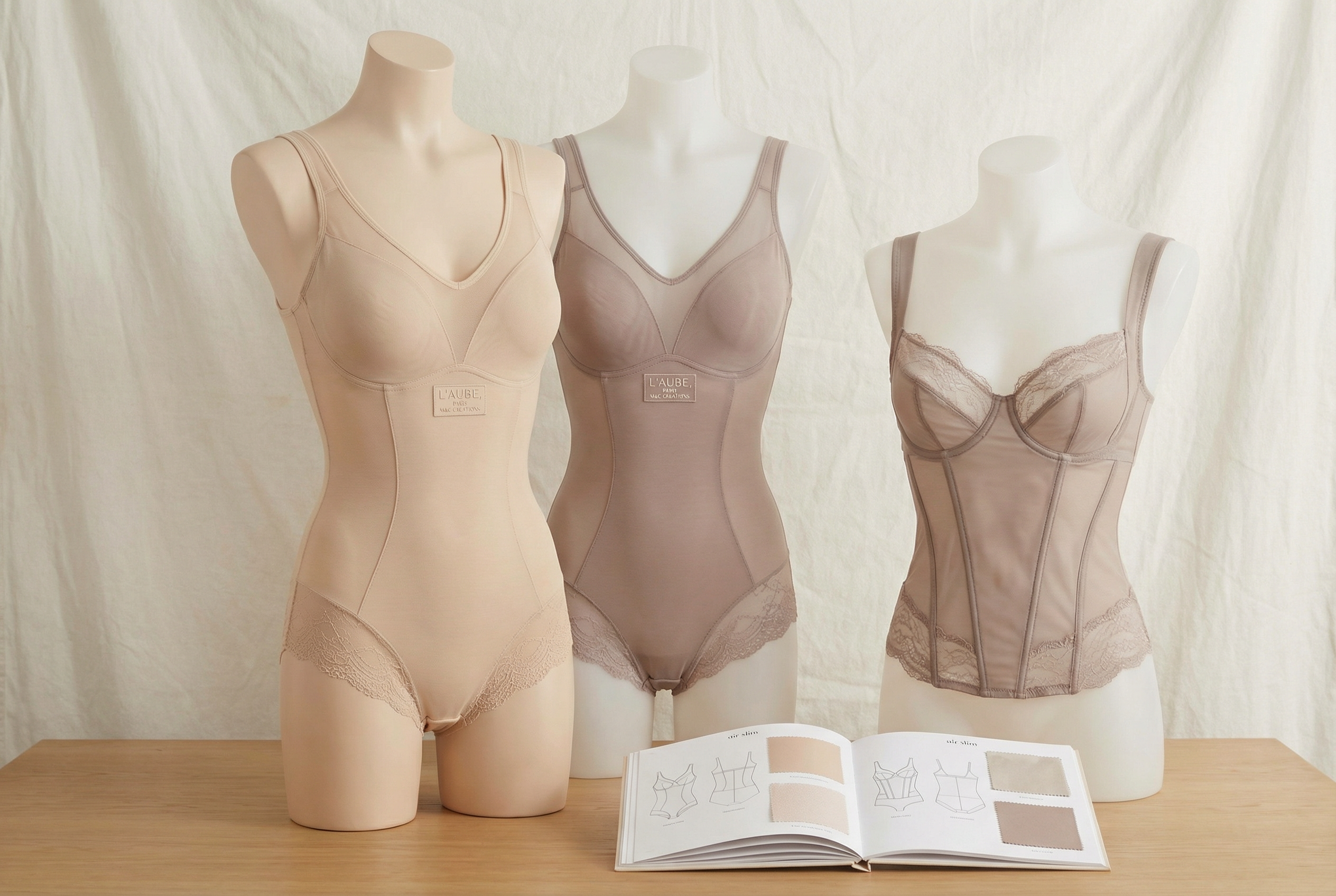
Top 10 Manchester Shapewear Suppliers – 2026 Guide
Best Local Comfortable Shapewear Solutions for Bridal, Officewear, and Plus-Size Fashion in Manchester 2026 Manchester Comfortable Shapewear Market Overview Manchester offers a dense cluster of high-street, boutique, and department store
Top 10 Birmingham Shapewear Suppliers – 2026 Guide
Best Local Comfortable Shapewear Solutions for Bridal, Officewear, and Plus-Size Fashion in Birmingham 2026 Birmingham Comfortable Shapewear Market Overview Birmingham offers a strong mix of high-street, department store, and specialist
Top 10 London Shapewear Suppliers 2026 Local Guide
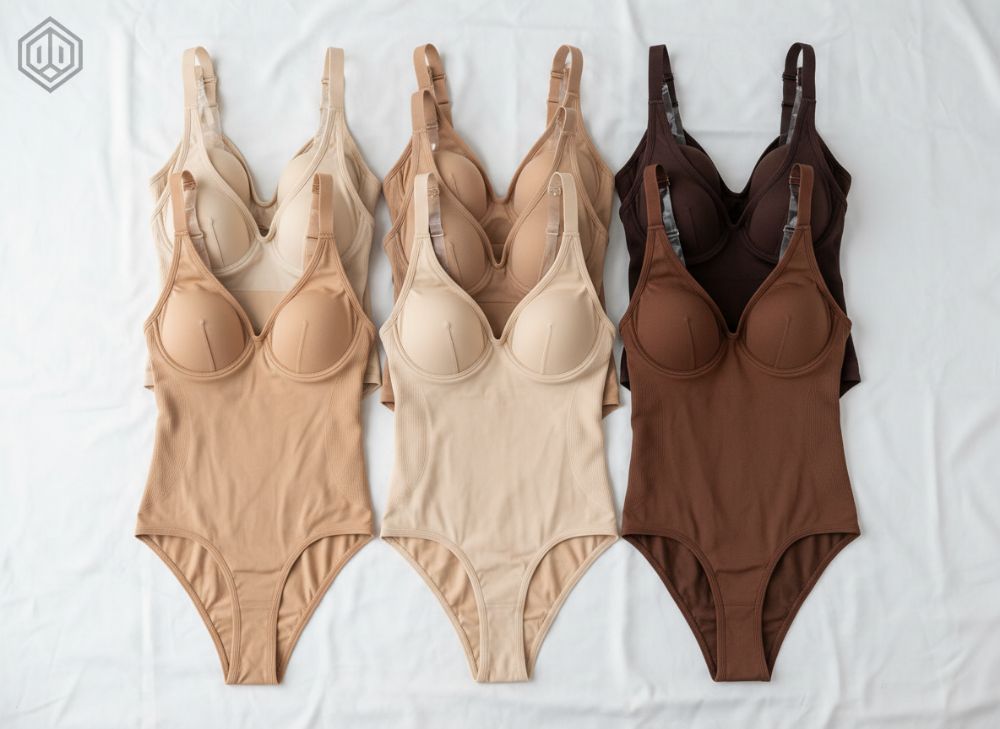
Best Local Comfortable Shapewear Solutions for Bridal, Officewear, and Plus-Size Fashion in London 2026 London Comfortable Shapewear Market Overview London offers a diverse comfortable shapewear market, combining heritage lingerie boutiques,
Top 10 Boston Shapewear Suppliers (2026 Local Guide)
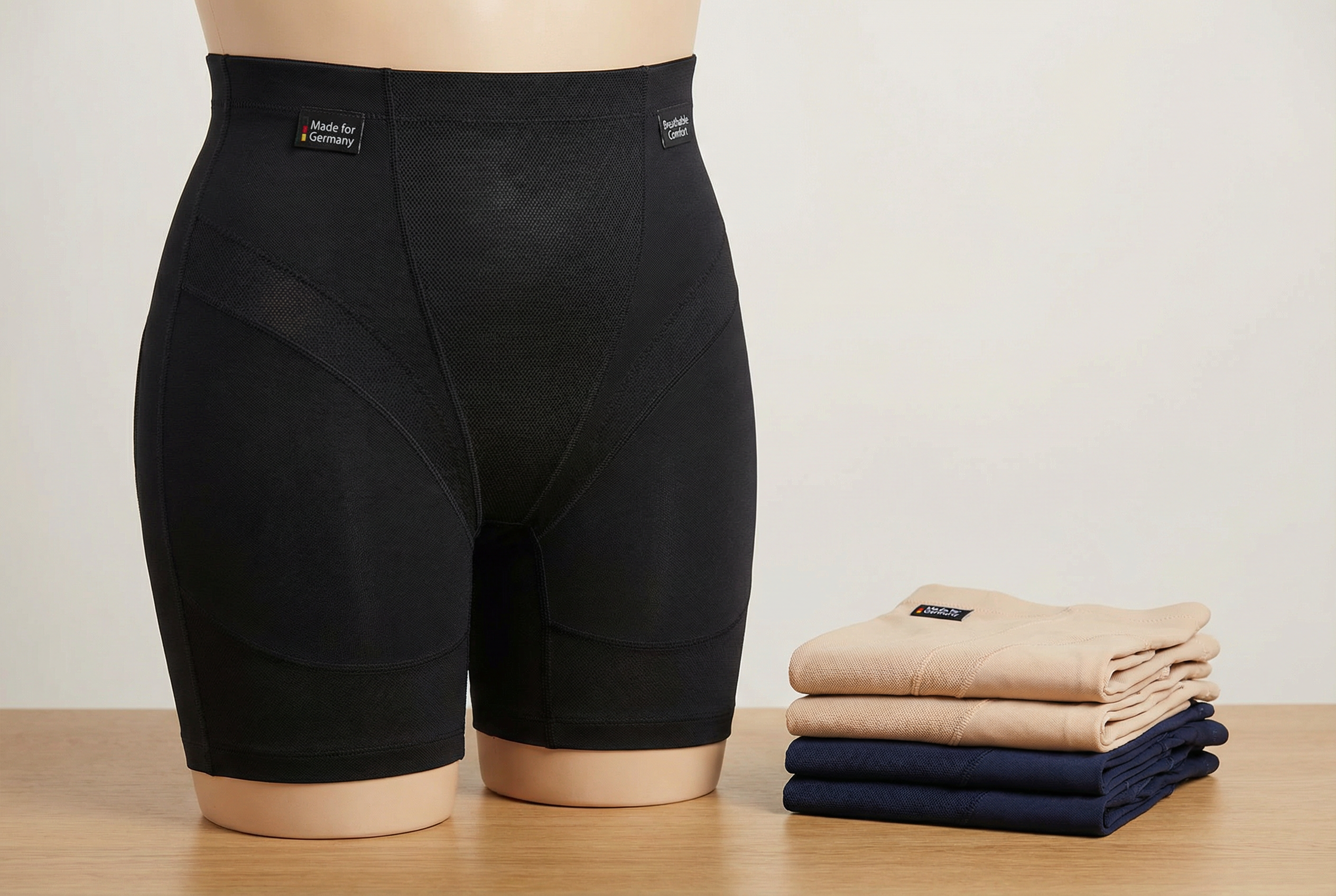
Best Local Comfortable Shapewear Solutions for Bridal, Officewear, and Plus-Size Fashion in Boston 2026 Boston Comfortable Shapewear Market Overview Boston shoppers can find comfortable shapewear through a mix of specialty