




Для японских брендов, ориентированных на женщин с проблемами «фартука» живота, FUPA и провисающего живота, успех начинается с выбора правильного производителя — того, кто понимает локальные формы тела, культурные ожидания комфорта и реалии розницы. Вывод ясен: продукты, спроектированные для западных силуэтов или универсальной «схемной» логики, стабильно проваливаются в Японии. Чтобы преуспеть, брендам нужно белье «фартука» живота, разработанное для поккори онака, послеродового восстановления и баланса пропорций плюс-сайз, с точным OEM-исполнением и стабильными дозаказами.
Это руководство объясняет подход к белью «фартука» живота для японского рынка — от логики дизайна и безопасности тканей до соответствия нормам, логистики и мерчандайзинга для Rakuten — показывая, как S-SHAPER поддерживает японские и ориентированные на Японию бренды как долгосрочный OEM-ODM партнер.
На раннем этапе планирования стоит обсудить семплинг, варианты структуры и исполнение частного лейбла с опытным поставщиком. Мы рекомендуем брендам свяжитесь с нашей командой согласовывать уровни компрессии, градацию размеров и сроки перед полным запуском.
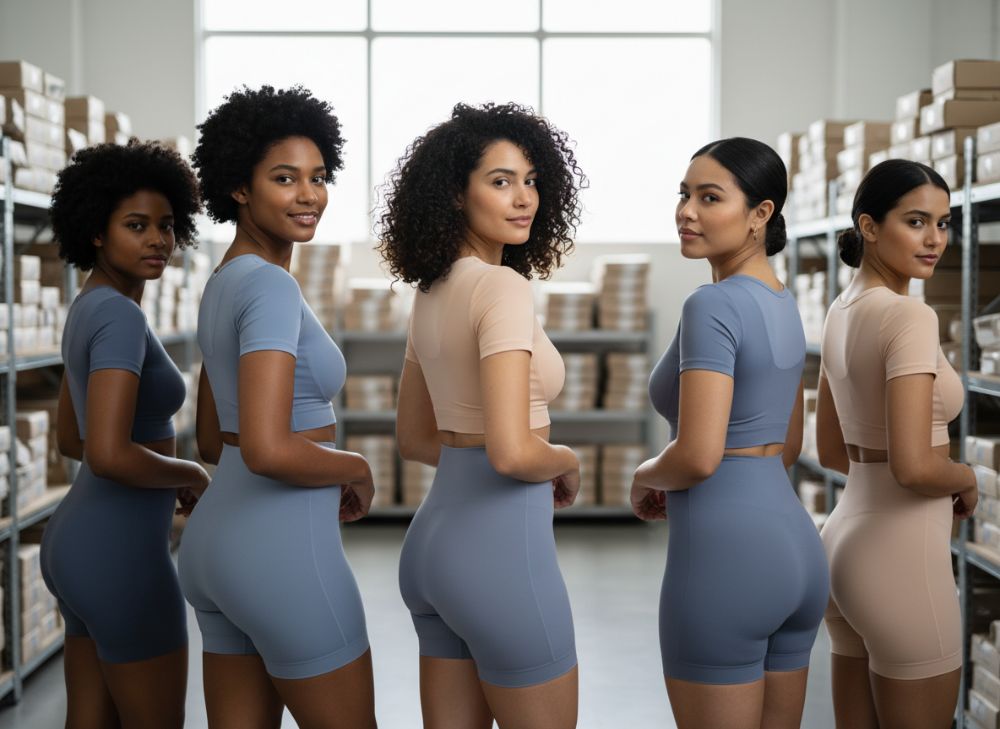
Почему японским брендам нужно белье «фартука» живота и провисающего живота
Японские потребители описывают проблемы нижнего живота иначе, чем на Западе. Термины вроде поккори онака отражают не только накопление жира, но и осанку, наклон таза, послеродовые изменения и вздутие от пищеварения. Для брендов это значит, что белье «фартука» живота должно фокусироваться на мягком подъеме и удержании под животом, а не агрессивном утягивании талии. Продукты с компрессией снизу вверх часто сползают, впиваются или вызывают дискомфорт при длительном ношении — приводя к высоким возвратам.
Еще один ключевой фактор — демография. Стареющее население Японии в сочетании с поздними беременностями увеличило спрос на послеродовое и средневозрастное поддерживающее белье. Многие клиенты ищут не драматическое моделирование, а стабильность, сглаживание под одеждой и уверенность в повседневных делах. Позиционирование как «поддерживающее белье», а не «экстремальное слимминг», гораздо лучше резонирует.
С коммерческой точки зрения бренды, решающие проблемы «фартука» живота, дифференцируются в переполненной категории. Универсальные высокие шорты доминируют на маркетплейсах, но мало кто предназначен специально для FUPA и провисающего живота. Эта ниша открывает пространство для премиум частных линий, подчеркивающих комфорт, японскую логику посадки и безопасность на грани медицинской — особенно с надежным OEM-партнером вроде S-SHAPER.
Дизайны белья «фартука» живота для японских нужд «поккори онака»
Эффективное белье «фартука» живота для Японии начинается со структурного дизайна. Вместо равномерной компрессии успешные продукты используют зональные панели , поднимающие нижний живот вверх и сглаживающие верхний без сдавливания грудной клетки. Это учитывает чувствительность японских потребителей к давлению и теплу, особенно при длительном ношении на работе или в транспорте.
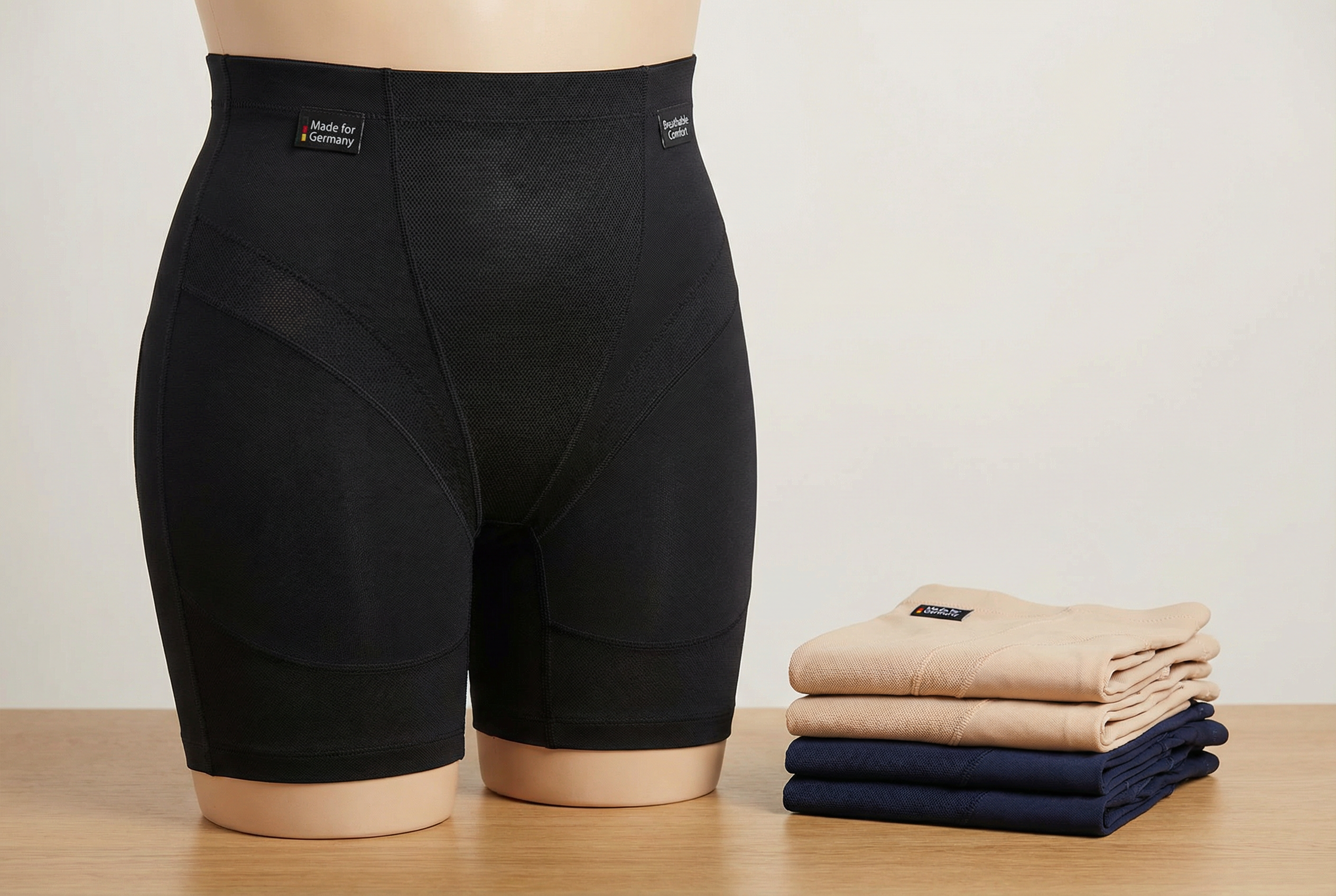
Высокие дизайны требуют баланса. Японские клиенты предпочитают средне-высокие модели, заканчивающиеся чуть ниже бюстгальтера, избегая ощущения «обертки» западных утягивателей. Для контроля «фартука» живота критична зона ниже пупка, где усиленные, но гибкие панели обеспечивают удержание без врезания в пах или таз.
Расположение швов также важно. Вертикальные швы или контурное вязание вокруг нижнего живота равномерно распределяют напряжение, предотвращая обрушение ткани под складкой. В S-SHAPERразработка паттернов фокусируется на миллиметровой точности и тестировании на множестве фигур, гарантируя сохранение формы после повторного ношения и стирок — ключевого требования для японских потребителей, ценящих долговечность и стоимость на ношение.
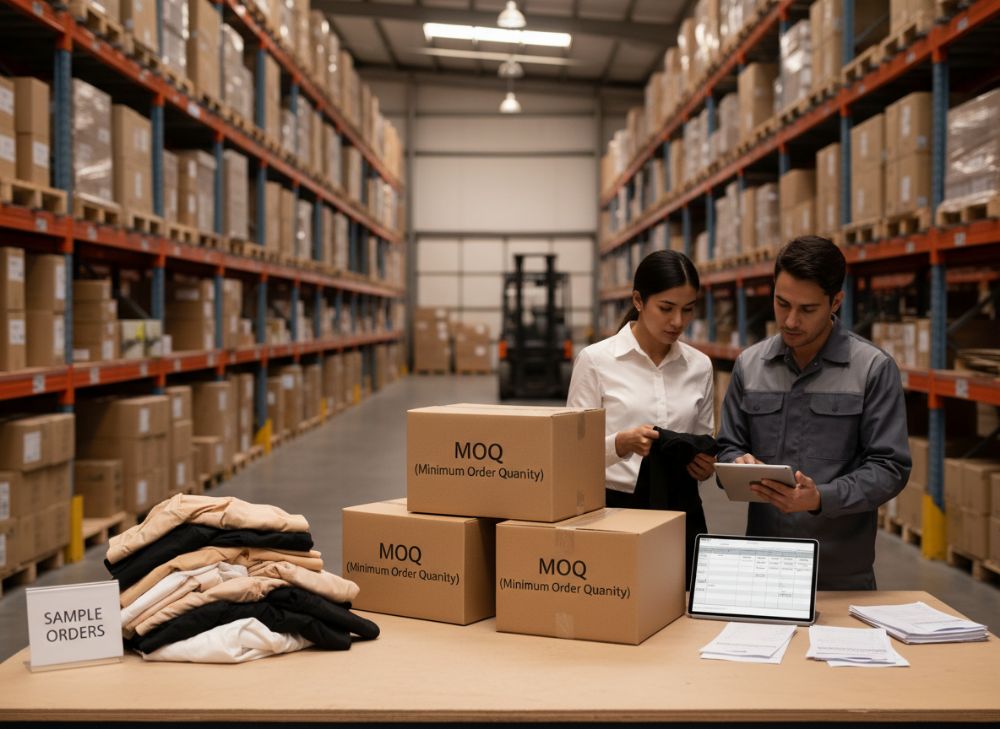
OEM-решения белья «фартука
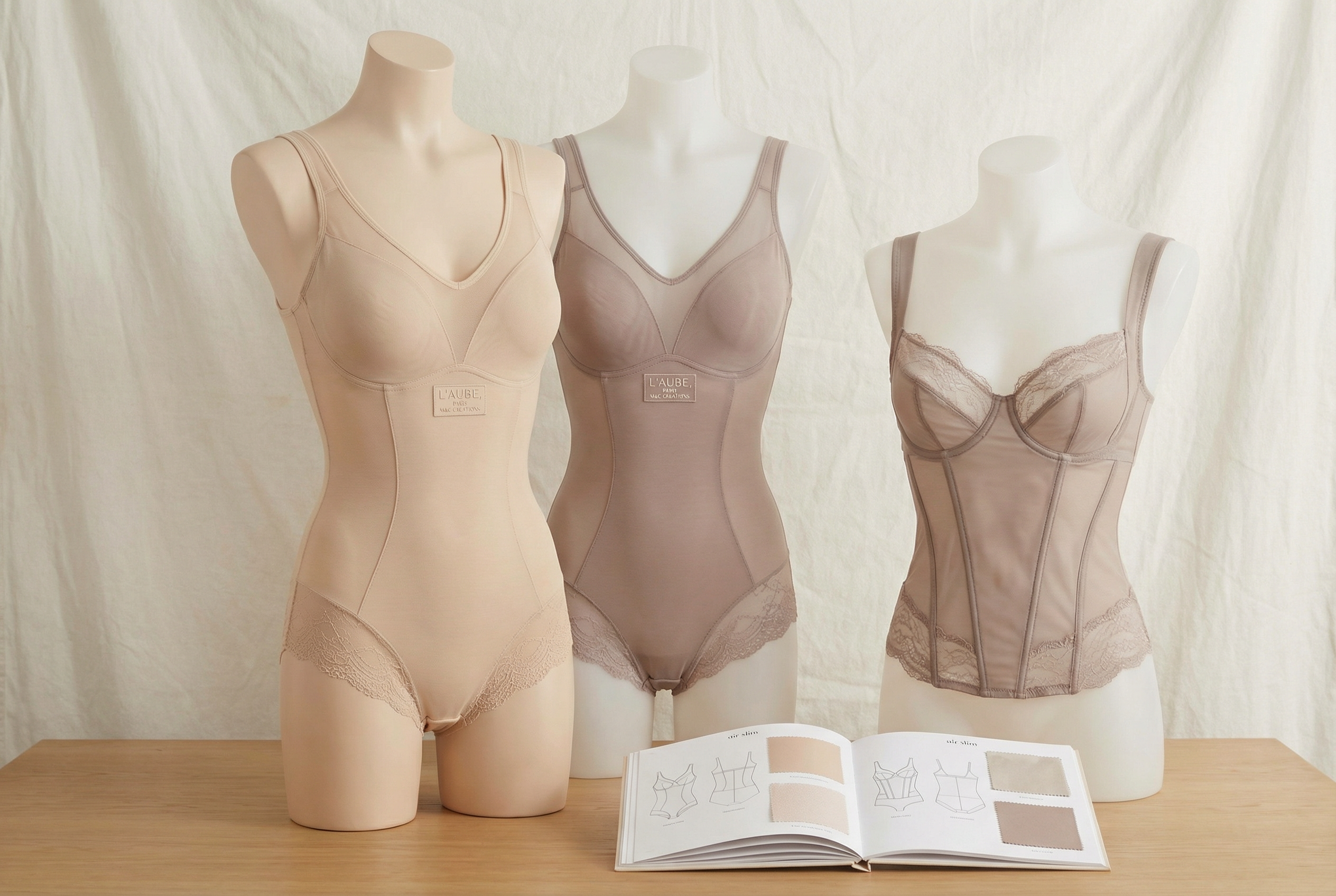
Представленный ассортимент: Системы корректирующего белья S-SHAPER и программа бесшовной одежды
Для брендов, Системы S-SHAPER C Shape, T Shape, Air Shape и HP Shape Позволяет брендам выбирать логику коррекции в зависимости от сценария использования — ежедневное сглаживание, послеродовое восстановление или стабильность для полных фигур — вместо опоры на единственный универсальный продукт «один стиль подходит всем».
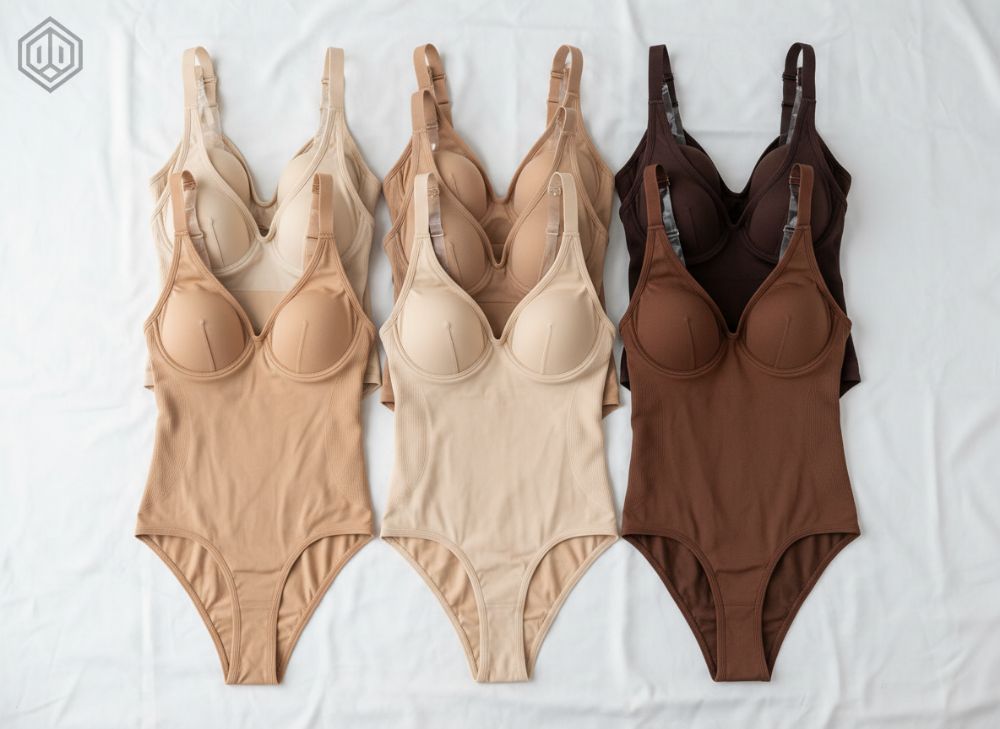
Для нужд живота-фартука и FUPA применяются комбинации Air Shape (лёгкий подъём) и HP Shape (целевая высокопроизводительная поддержка) широко применяются. Эти системы ориентированы на подъём нижней части живота, стабильность таза и воздухопроницаемость, что делает их подходящими для послеродовых клиентов и длительного ежедневного ношения. Бренды могут расширить эти системы на боди, высокие шорты, леггинсы или интегрированные боди с бюстгальтером для цельных коллекций.
OEM-реализация включает полную кастомизацию уровня компрессии, состава ткани, цвета, размерного ряда и брендинга. С частной маркировкой упаковки и стабильными программами повторных заказов S-SHAPER помогает японским брендам масштабироваться от тестовых запусков до национального распространения, сохраняя неизменную посадку и ощущения во всех партиях.
Посадка и размерная сетка для японских типов фигуры с поддержкой нижнего живота
Японские пропорции тела существенно отличаются от западных стандартов размерных сеток. Более короткий торс, узкие плечи и относительно полный нижний живот означают, что импортные размерные таблицы часто не подходят — особенно для корректирующего белья от живота-фартука. Правильная посадка начинается с локализованной размерной сетки, а не простой конверсии размеров.
Поддержка нижнего живота должна соответствовать структуре таза. Если глубина промежности или передний подъём отклоняются даже на малую величину, давление концентрируется в неправильной точке, вызывая дискомфорт или сползание изделия. S-SHAPER решает это через точностью выкроек на уровне ±0,5 мм и итеративную примерку на множестве японских типов фигур, включая послеродовых и плюс-сайз клиенток.
Таблица ниже показывает, как бренды могут согласовать продуктную идею с стратегией посадки:
| Продуктовая идея | Ключевой акцент посадки | Приоритет для белья от живота-фартука |
|---|---|---|
| Ежедневное сглаживание | Комфорт, воздухопроницаемость | Лёгкий подъём для белья от живота-фартука |
| Послеродовая поддержка | Стабильность таза | Бельё от живота-фартука с усиленными нижними панелями |
| Плюс-сайз | Антисползающая структура | Бельё от живота-фартука с высокой степенью покрытия |
Брендам следует использовать эту матрицу, чтобы избежать избыточной сложности. Не каждое изделие нуждается в максимальной компрессии; правильный баланс снижает возвраты и повышает повторные покупки на японском рынке.
Ткани, панели и швы для безопасной послеродовой поддержки живота и таза
Безопасность и комфорт имеют первостепенное значение для послеродовых клиентов в Японии. Ткани должны быть кожно-дружественными, воздухопроницаемыми и стабильными, без агрессивных химических отделок или чрезмерной потери эластичности после стирок. Многие потребители тщательно изучают описания материалов на Rakuten и сайтах брендов, делая прозрачность тканей коммерческой необходимостью.
Дизайн панелей играет ключевую роль. Мягкая, но упругая силовая сетка в сочетании с бесшовным вязанием или склеенными краями предотвращает раздражение вокруг шрамов от кесарева сечения или чувствительных зон нижнего живота. Предпочтительны плоские швы или бесшовная конструкция, поскольку выступающие швы часто упоминаются в негативных отзывах.
S-SHAPER интегрирует тестирование тканей в свой обеспечением качества и соответствием нормам производственный процесс, проверяя прочность на разрыв, восстановление и стойкость цвета. Это гарантирует, что послеродовое бельё от живота-фартука сохраняет стабильную поддержку со временем, укрепляя доверие потребителей и репутацию бренда в обзороориентированной электронной коммерции Японии.
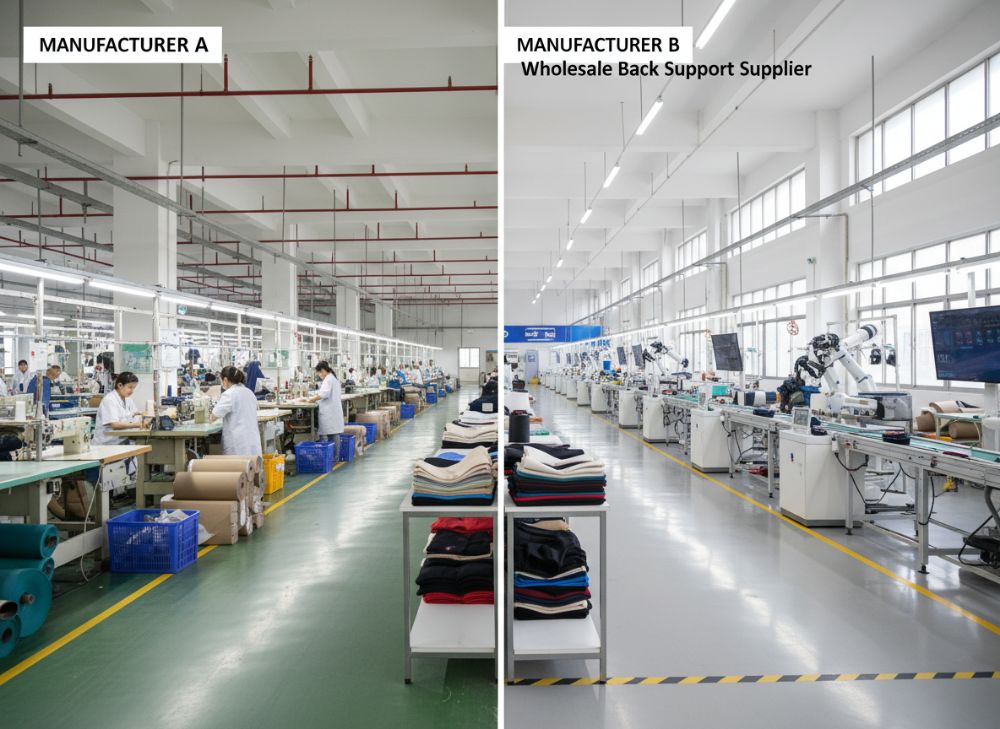
MOQ, сроки поставок и доставка корректирующего белья от живота-фартука в Японию
Для японских брендов управление рисками запасов критически важно. Перезаказы обходятся дорого, а недозаказы приводят к дефициту, вредящему рейтингам на маркетплейсах. Гибкие MOQ и предсказуемые сроки позволяют брендам тестировать SKU белья от живота-фартука без чрезмерных вложений на старте.
S-SHAPER поддерживает гибкие минимальные заказы, особенно для первых партий или тестов размерного ряда. Циклы семплинга упрощены, и после утверждения стиля сроки производства остаются стабильными благодаря стандартизированным материалам и умному планированию фабрики. Эта стабильность необходима для моделей пополнения на Rakuten и Amazon JP.
Доставка в Японию обычно осуществляется морем для крупных заказов и воздухом для срочных пополнений. Правильный размер картона, маркировка и документация минимизируют таможенные задержки. Бренды, работающие с производственные возможности , интегрирующими производство и логистику, получают более плавные запуски и меньше сюрпризов.
Соответствие нормам, маркировка и стандарты качества для импорта шейперов в Японию
В Японии строгие требования к маркировке одежды, включая состав волокон, инструкции по уходу и страну происхождения — всё на японском. Ошибки приводят к таможенным блокировкам или принудительной перемаркировке, увеличивая затраты и задержки. Брендам корректирующего белья также следует избегать медицинских обещаний в маркетинге, если они не подкреплены.
Ожидания по качеству не ниже. Японские покупатели воспринимают шейперы как ежедневную одежду, а не одноразовую моду. Целостность строчек, стабильность цвета и стойкость к стиркам тщательно проверяются в отзывах. Даже мелкие дефекты непропорционально вредят восприятию бренда.
Интегрированный процесс QC от S-SHAPER включает проверки на линии и 100% финальный контроль, помогая брендам стабильно соответствовать стандартам японского рынка. Согласование разработки продукта с compliance с самого начала позволяет избежать дорогостоящей переработки и защитить долгосрочные партнёрства в каналах.
Кейс-стади: запуск линейки корректирующего белья от нависшего живота для японского рынка
Средний DTC-бренд, ориентированный на женщин 35–55 лет, планировал запуск линейки белья от живота-фартука на Rakuten JP. Начальные семплы на западных размерах провалили тесты из-за сползания и чрезмерного давления на талию. После партнёрства с S-SHAPER бренд переработал продукт с локализованной размерной сеткой и панелями подъёма нижнего живота.
Финальный дизайн использовал среднюю компрессию по логике Air Shape с усиленной поддержкой нижнего живота и бесшовными краями. Гибкость MOQ позволила тестовый запуск на трёх размерах с нейтральными цветами, популярными у японских потребителей. Отзывы отметили комфорт и «натуральную поддержку», что привело к высоким показателям повторных покупок.
За шесть месяцев бренд расширился на версию-боди и обеспечил стабильные ежемесячные реордеры. Этот кейс иллюстрирует, как корректирующее бельё от живота-фартука, разработанное для Японии, а не адаптированное, обеспечивает устойчивый рост.
Ключевые маркетинговые слова и текст PDP для белья от живота-фартука на Rakuten JP
На Rakuten JP обнаружение сильно зависит от соответствия ключевых слов и ясного общения в PDP. Термины вроде «apron belly shapewear», «FUPA support» и японские дескрипторы поккори онака следует естественно интегрировать, акцентируя преимущества, а не экстремальную трансформацию.
Описания продуктов должны подчёркивать длительность комфорта, тактильные ощущения ткани и повседневную удобство. Японские потребители читают внимательно; расплывчатые заявления снижают доверие. Чёткие диаграммы или изображения зон поддержки нижнего живота повышают конверсию, особенно для первых покупок.
Брендам также следует напрямую адресовать распространённые опасения в тексте PDP: предотвращение сползания, послеродовую безопасность и стойкость к стиркам. Согласование маркетингового языка с реальной производительностью снижает негативные отзывы и строит долгосрочное доверие.
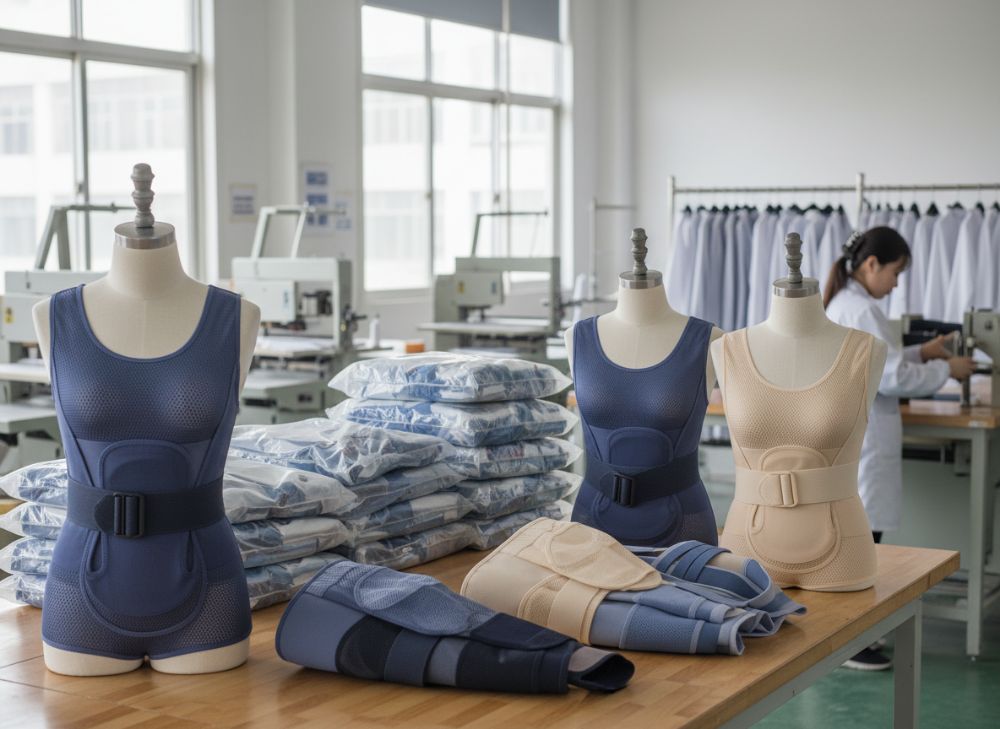
FAQ для японских покупателей OEM корректирующего белья от живота-фартука и FUPA-поддержки
Какой типичный MOQ для OEM белья от живота-фартука?
MOQ варьируется в зависимости от стиля и ткани, но доступны гибкие варианты для начальных запусков, особенно для Японии.
Можно ли разработать бельё от живота-фартука для послеродового использования?
Да, с подходящими уровнями компрессии, мягкими панелями и размещением швов оно безопасно поддерживает послеродовое восстановление.
Как S-SHAPER обеспечивает точность посадки для японских типов фигур?
Через локализованную размерную сетку, тесты на множестве фигур и точность выкройки ±0,5 мм в производстве.
Поддерживаются ли частная маркировка упаковки и японская этикетка?
Да, полные решения частной маркировки включают соответствующую этикетку и упаковку, готовую к бренду.
Какие сроки ожидать японским брендам?
Семплинг обычно занимает несколько недель, с стабильными сроками производства после утверждения материалов и выкроек.
Как обеспечивается стабильность качества при реордерах?
Интегрированный QC, мониторинг производства в реальном времени и стандартизированные материалы гарантируют последовательность партий.
Последнее обновление: 2026-01-05
Журнал изменений:
- Обновлённые рекомендации по посадке и размерной сетке для японского рынка
- Расширенные детали OEM и MOQ
- Уточнённые рекомендации по маркетингу на Rakuten JP
Дата следующего обзора: 2026-07-01
Триггеры следующего обзора: новые системы шейперов, изменения сроков или MOQ, обновления регуляций импорта в Японию, новые послеродовые разработки
Top 10 Manchester Shapewear Suppliers – 2026 Guide
Best Local Comfortable Shapewear Solutions for Bridal, Officewear, and Plus-Size Fashion in Manchester 2026 Manchester Comfortable Shapewear Market Overview Manchester offers a dense cluster of high-street, boutique, and department store
Top 10 Birmingham Shapewear Suppliers – 2026 Guide
Best Local Comfortable Shapewear Solutions for Bridal, Officewear, and Plus-Size Fashion in Birmingham 2026 Birmingham Comfortable Shapewear Market Overview Birmingham offers a strong mix of high-street, department store, and specialist
Top 10 London Shapewear Suppliers 2026 Local Guide
Best Local Comfortable Shapewear Solutions for Bridal, Officewear, and Plus-Size Fashion in London 2026 London Comfortable Shapewear Market Overview London offers a diverse comfortable shapewear market, combining heritage lingerie boutiques,
Top 10 Boston Shapewear Suppliers (2026 Local Guide)
Best Local Comfortable Shapewear Solutions for Bridal, Officewear, and Plus-Size Fashion in Boston 2026 Boston Comfortable Shapewear Market Overview Boston shoppers can find comfortable shapewear through a mix of specialty