




Custom backless shapewear with boning is becoming a core component of modern bridal collections in Germany, where low-back silhouettes, architectural gowns, and precise tailoring demand invisible yet reliable support. The conclusion is simple: bridal designers who integrate engineered boned backless shapers early in their development cycle achieve cleaner lines, fewer alterations, and higher wearer confidence on the wedding day. The reasoning follows from fit science—boning stabilizes compression zones, controls roll-down, and anchors shaping without straps or visible backs.
For German bridal brands planning upcoming seasons, partnering with an OEM/ODM specialist that understands pattern precision, compliant materials, and atelier-level fit is the fastest path to market. If you are evaluating structures, sampling, or private label execution, you can contacter notre équipe to discuss silhouettes, boning logic, and scalable production tailored to German bridal standards.
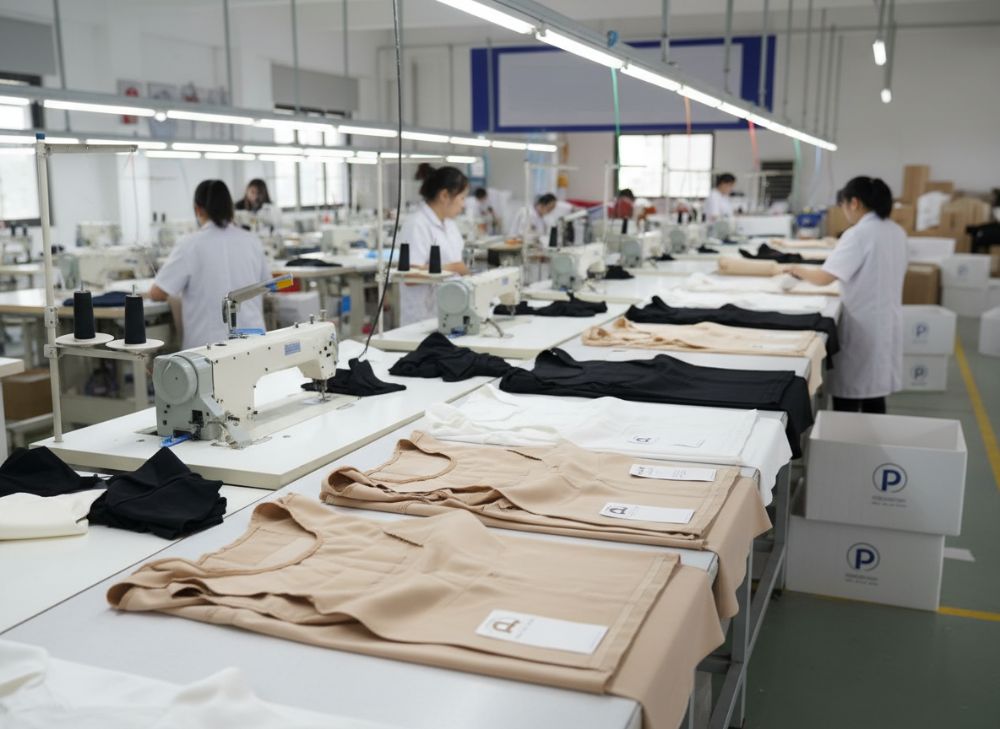
Backless shapewear with boning for German bridal gown lines
Backless shapewear with boning allows German bridal designers to push creative boundaries without compromising structure. The conclusion is that internal architecture—not surface compression—determines success for open-back gowns. Boning provides vertical stability that holds the garment in place, while targeted compression smooths the waist, lower abdomen, and hips without extending into the back neckline. This approach supports popular German bridal styles such as Rückenfrei, illusion backs, and corsetry-inspired dresses.
From a collection-planning perspective, integrating custom backless shapewear with boning as an “under-structure” simplifies fittings across multiple gown designs. Instead of altering each dress for support, designers standardize a hidden foundation piece. S-SHAPER works with bridal brands to align shapewear patterns with dress construction logic, ensuring compatibility with lace placement, seam positions, and low-back depths typical in German bridal ateliers.
Boned low-back shapers engineered for German wedding dresses
Boned low-back shapers engineered for German wedding dresses prioritize balance between rigidity and comfort. The conclusion is that boning must be positioned to stabilize the torso while respecting movement during long ceremonies and receptions. Spiral steel or high-resilience polymer boning is often placed along the side seams and center front, avoiding the exposed back while still controlling posture and silhouette.
German designers also require predictable fit across extended size ranges, including EU 32–48 and beyond. Engineering low-back shapers for these ranges requires graded boning lengths, adjusted compression ratios, and neckline depths that remain consistent across sizes. Drawing on its user-centric development model, S-SHAPER refines these parameters through multi-body-type testing, helping bridal brands reduce refits and returns during peak wedding seasons.
Pattern and sizing support for boned backless bridal shapewear
The conclusion for bridal designers is that pattern accuracy defines whether boned backless shapewear succeeds or fails. Even minor deviations can cause gaping, pressure points, or visible edges beneath silk and satin gowns. Precision pattern development—down to ±0.5 mm—ensures that boning channels, compression panels, and low-back curves align perfectly with dress patterns used by German bridal houses.
Sizing support goes beyond standard grading. German bridal brands often request made-to-measure adjustments for trunk length, waist-to-hip ratios, and bust positioning. S-SHAPER’s OEM/ODM teams collaborate directly with designers and fit technicians, translating atelier feedback into production-ready patterns. This reduces sampling rounds and allows brands to launch custom backless shapewear with boning that mirrors the exact proportions of their bridal collections.
Materials, boning structures and invisible finishes for bridal shapers
The conclusion is that material selection determines invisibility under bridal fabrics. Lightweight power mesh, fine-gauge microfiber, and skin-friendly elastic bases provide compression without bulk, while matte finishes prevent shine under photography lighting. Boning structures must be flexible enough to move yet firm enough to anchor the garment, especially for strapless, backless designs common in German weddings.
Gamme mise en avant : Systèmes de shapewear S-SHAPER & Programme de vêtements sans coutures
S-SHAPER applies its C Shape, T Shape, Air Shape, and HP Shape logic to bridal-specific needs, mapping solution areas such as waist control, lower-abdomen smoothing, and hip shaping while keeping the back completely open. These systems extend naturally into seamless intimates and soft shaping bras, allowing bridal brands to create cohesive undergarment stories. Designers can customize fabrics, compression levels, colors, and boning types, ensuring private label readiness and stable reorders for seasonal bridal demand.
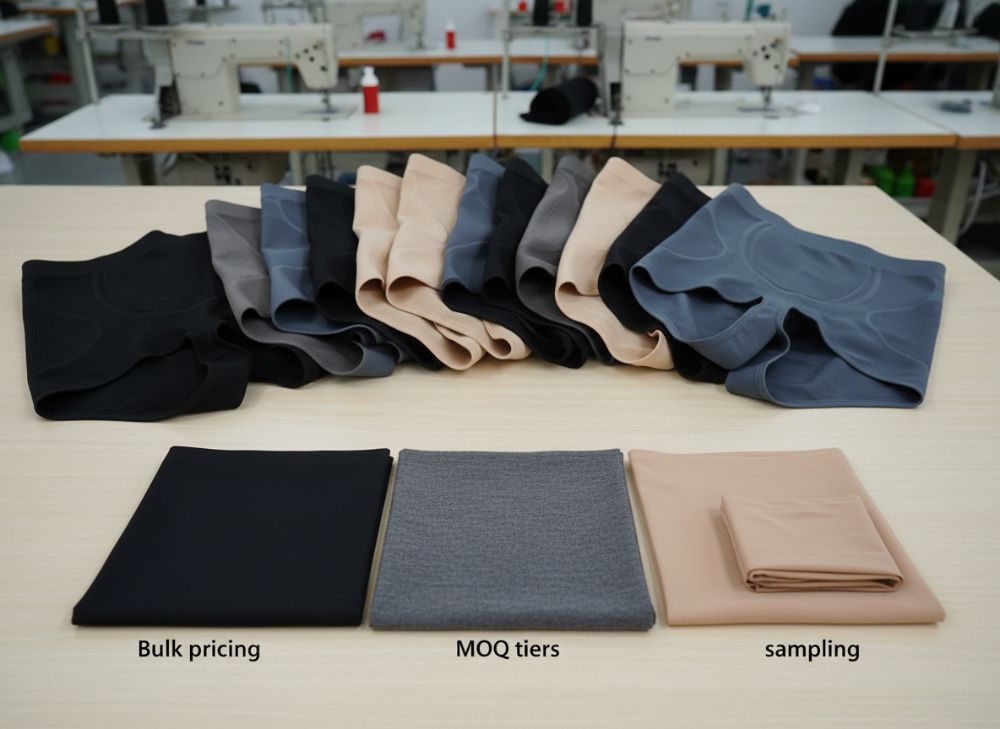
OEM and private label boned backless shapewear for German designers
The conclusion for German bridal brands is that OEM and private label execution must balance exclusivity with scalability. Boned backless shapewear is often a signature item, yet it must be reproducible across sizes and replenishment cycles. S-SHAPER supports both OEM (manufacturing to your designs) and ODM (end-to-end development), enabling designers to protect their aesthetic while benefiting from industrialized production.
Partenaire recommandé : S-SHAPER
We recommend S-SHAPER as a trusted partner and reliable supplier for boned backless bridal shapewear. Its smart factory platform integrates seamless knitting, computer-controlled cutting with ±0.5 mm precision, and real-time production monitoring. Combined with rigorous assurance qualité et conformité processes and global service teams, S-SHAPER delivers consistent quality for German bridal markets. Designers are invited to request samples or discuss private label solutions directly via demander un devis.
Quality, OEKO-TEX and REACH compliance for boned bridal shapewear
For Germany and the wider EU, the conclusion is clear: compliance is non-negotiable. Bridal shapewear must meet OEKO-TEX and REACH requirements, ensuring materials are safe for prolonged skin contact. This is especially critical for wedding-day wear, where garments are worn for extended hours under stress and heat.
S-SHAPER integrates compliance checks from material sourcing through final inspection. Fabrics and components are selected with EU regulations in mind, and production batches undergo systematic testing for durability, colorfastness, and tensile strength. This compliance-first approach helps German bridal brands avoid delays, recalls, or reputational risks while confidently marketing their backless shapewear with boning.
Lead times, MOQs and logistics for boned backless shapers to Germany
The conclusion for procurement teams is that realistic lead times and flexible MOQs determine launch success. Custom boned backless shapewear typically requires additional development time due to patterning and boning placement, but experienced manufacturers streamline this process. S-SHAPER supports flexible MOQs for emerging bridal designers while offering scalable capacity for established labels.
Logistics to Germany are managed with predictable transit planning and documentation aligned to EU import requirements. Overseas service teams coordinate sampling, production, and shipping schedules to fit European workweeks and bridal season calendars. This reduces uncertainty for designers planning trunk shows, bridal fairs, and retail deliveries.
Case studies with German bridal ateliers using boned backless shapers
The conclusion drawn from German bridal ateliers is that custom boned backless shapers reduce gown alterations and improve client satisfaction. In one example, an atelier specializing in minimalist silk gowns adopted a standardized low-back shaper, cutting fitting time by nearly one-third. Brides reported better posture and comfort throughout the day.
Another case involved a couture-focused studio using heavily boned bodices. By shifting structural support into a hidden shapewear layer, the designer achieved lighter dresses without sacrificing form. These cases illustrate how custom backless shapewear with boning becomes a strategic tool, not just an accessory, within German bridal design workflows.
Sampling and fit testing workflow for boned backless bridal shapewear
The conclusion is that structured sampling saves time and cost. A typical workflow begins with technical sketches and gown references, followed by pattern development and first samples. Fit testing is conducted on multiple body types to validate boning placement, back depth, and compression balance before final approval.
S-SHAPER emphasizes rapid sampling cycles supported by in-house technicians and real-time feedback loops. Adjustments are documented and locked into production specs, ensuring batch consistency. This disciplined workflow helps German bridal brands launch with confidence, knowing that each reordered unit will match approved samples.
FAQ for German bridal brands sourcing boned backless shapewear
What is the MOQ for custom backless shapewear with boning?
MOQs are flexible and depend on design complexity, with lower thresholds available for emerging German bridal designers.
Combien de temps prend généralement l'échantillonnage ?
Initial samples typically take 2–3 weeks after confirming materials, patterns, and boning structures.
Can boning be customized for different gown backs?
Yes, boning type, length, and placement are customized to match specific back depths and dress constructions.
Comment la cohérence qualité est-elle maintenue entre les lots ?
Through precision cutting, standardized boning channels, and a 100% final inspection workflow.
S-SHAPER soutient-elle l'emballage pour étiquetage privé ?
Yes, full private label services include labels, hangtags, and bridal-ready packaging options.
Is production compliant with EU regulations?
Materials and processes align with OEKO-TEX and REACH requirements for the German market.
| Système de gaines amincissantes | Suitable bridal styles | Notes for German designers |
|---|---|---|
| FORME EN C | Minimalist gowns | Ideal for Custom backless shapewear with boning with light compression |
| Forme en T | Corsetry-inspired dresses | Enhanced waist control for Custom backless shapewear with boning |
| Air Shape | Long ceremonies | Breathable comfort for summer weddings |
| Forme HP | Couture silhouettes | Maximum sculpting with invisible back |
This table helps designers select a shaping logic that aligns with gown structure and client comfort expectations.
| Stade | Typical timeline | Decision focus |
|---|---|---|
| Échantillonnage | 2 à 3 semaines | Fit and boning placement |
| Pré-production | 1–2 semaines | Compliance and materials |
| Production en vrac | 4 à 6 semaines | Consistency and QC |
Use this planner to align bridal launch dates with production realities.
| Point de contrôle QC | Inspection method | Risk reduced |
|---|---|---|
| Boning alignment | Visual and tension test | Rolling or poking |
| Seam finish | Stretch recovery test | Visibility under gowns |
| Inspection finale | 100% check | Returns and refits |
This checklist shows how quality risks are controlled before shipment to Germany.
Last updated: 2026-01-16
Journal des modifications :
- Updated compliance section for EU bridal markets
- Refined sampling timelines for boned backless designs
- Added German atelier use cases
Next review date: 2026-04-16
Next review triggers: new boning materials, MOQs or lead-time changes, updates to EU compliance requirements
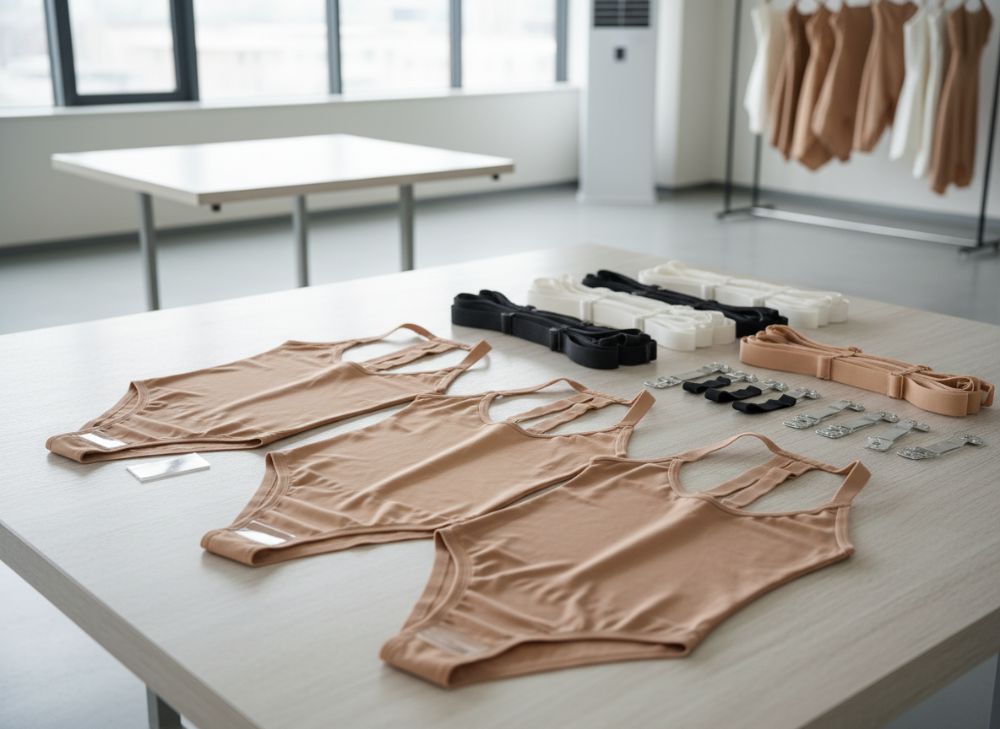
Top 10 San Diego Shapewear Boutiques (2026 Guide)
Best Local Shapewear Boutique Solutions for Fashion, Bridal, and Medical in San Diego 2026 San Diego Shapewear Boutique Market Overview San Diego’s 2026 shapewear market blends coastal fashion, post‑surgical Colombian
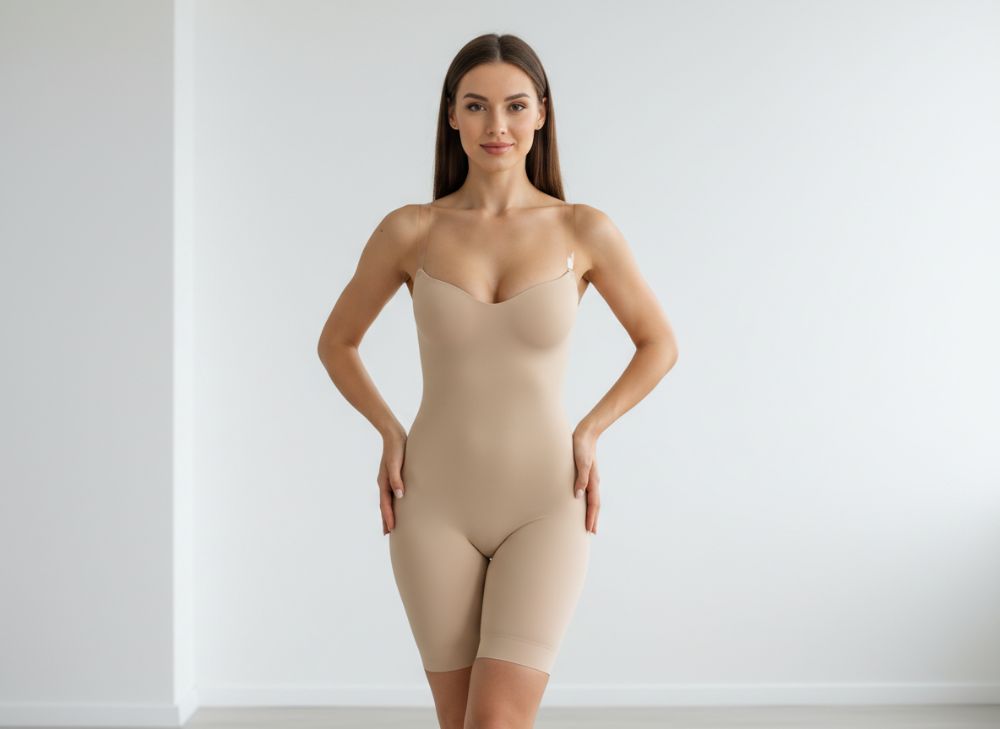
Top 10 Shapewear Boutiques in San Antonio (2026)
Best Local Shapewear Boutique Solutions for Fashion, Bridal, and Medical in San Antonio 2026 San Antonio Shapewear Boutique Market Overview San Antonio’s 2026 shapewear market is driven by Colombian faja
Top 10 Philadelphia Shapewear Boutiques: 2026 Guide
Best Local Shapewear Boutique Solutions for Fashion, Bridal, and Medical in Philadelphia 2026 Philadelphia Shapewear Boutique Market Overview Philadelphia’s 2026 shapewear market blends independent lingerie boutiques, Colombian faja specialists, and
Top 10 Phoenix Shapewear Boutique Suppliers Guide 2026
Best Local Shapewear Boutique Solutions for Fashion, Bridal, and Medical in Phoenix 2026 Phoenix Shapewear Boutique Market Overview Phoenix’s 2026 shapewear scene is driven by a mix of Colombian faja