




Pour les marques D2C axées sur le Japon, la voie la plus rapide pour fidéliser les clients est de résoudre en premier un point de douleur très spécifique —une ligne de dos lisse et élégante sous les soutiens-gorge, tricots et robes— puis d'échelonner avec un ajustement et un approvisionnement constants. Cet article se conclut par une recommandation claire : investir tôt dans la conception et le développement sur mesure de sous-vêtements gainants pour le dos qui reflètent les proportions corporelles japonaises, les habitudes vestimentaires quotidiennes et les attentes de l'e-commerce, puis s'associer à un fabricant capable d'industrialiser des patrons précis, une compression stable et un étiquetage prêt pour le Japon. Ci-dessous, nous expliquons comment procéder étape par étape, avec des cadres pratiques utilisés par les meilleures équipes D2C.
Si vous planifiez un échantillonnage OEM/ODM ou une exécution en marque privée pour le Japon, vous pouvez contacter notre équipe anticiper pour cartographier les zones de compression, les MOQ et les calendriers de lancement — réduisant les reprises et accélérant la mise sur marché avec une livraison prête pour la marque.
Concepts de sous-vêtements gainants lissants pour le dos destinés aux marques de lingerie D2C japonaises
La conclusion en premier : les marques de lingerie D2C japonaises performent le mieux lorsque les concepts de sous-vêtements gainants pour le dos priorisent un lissage subtil plutôt qu'une compression agressive. Les consommateurs japonais valorisent la raffinement — les vêtements doivent disparaître sous les habits tout en préservant le confort pour de longues journées de bureau et les trajets. Les concepts réussis se concentrent sur la minimisation des bosses de bandeau de soutien-gorge, l'adoucissement des contours des omoplates et la création d'une silhouette continue «背中すっきり» (dos net) plutôt que sur une réduction dramatique de la taille.
Pour y parvenir, les marques doivent définir un cas d'usage hero — compagnon quotidien de soutien-gorge, solution pour tricots d'été ou soutien postural intérieur — avant d'élargir. Les tableaux de concepts doivent s'aligner sur les garde-robes japonaises courantes : tricots fins, chemisiers légers et robes ajustées. Les couleurs tendent vers des neutres proches de la peau avec des sous-tons précis. D'un point de vue développement, cette clarté permet aux fabricants comme S-SHAPER de sélectionner les structures seamless appropriées, les densités de powernet et les finitions de bord sans sur-ingénieriser le produit.
Patronage de sous-vêtements gainants pour le dos pour les lignes de soutien-gorge et intérieurs «背中すっきり»
Un patronage efficace est la colonne vertébrale de tout la conception et le développement sur mesure de sous-vêtements gainants pour le dos projet. L'essentiel à retenir : les performances de lissage du dos s'obtiennent par un modelage micro-contour, et non par des panneaux épais. Les patrons doivent suivre le mouvement des omoplates, l'expansion de la cage thoracique et le positionnement de la bande de soutien-gorge pour éviter le roulottage ou les lignes visibles.
En pratique, cela implique des ajustements asymétriques des patrons autour du haut du dos et de l'aisselle, plus une logique de coutures courbes ou une zonage seamless qui guide la tension horizontalement plutôt que verticalement. Chez S-SHAPER, la précision de découpe au niveau ±0,5 mm et le tricotage seamless avancé permettent de produire ces géométries subtiles de manière constante à l'échelle. Les marques qui investissent du temps dans la validation numérique des patrons réduisent les tours d'échantillonnage ultérieurs et améliorent les premières critiques sur les plateformes EC japonaises.
Ajustement et graduation de sous-vêtements gainants pour le dos adaptés aux morphologies et tailles japonaises
La conclusion est simple ici : Les règles de graduation occidentales ne se transposent pas directement au Japon. Les morphologies japonaises nécessitent généralement des épaules plus étroites, des longueurs de torse plus courtes et des sauts de taille plus nuancés pour maintenir le confort. Les sous-vêtements gainants pour le dos doivent accommoder les variations posturales sans tirer sur l'encolure ou comprimer la poitrine.
La graduation doit prioriser une profondeur XS–L plutôt qu'une extension extrême des tailles au lancement. Les mannequins d'ajustement doivent représenter de vrais clients D2C — employés de bureau et porteuses quotidiennes — et non des proportions podium. Le processus de développement centré sur l'utilisateur de S-SHAPER applique des tests d'usure multi-morphologies pour affiner la distribution de pression à travers les tailles, assurant un lissage constant du dos de la première à la dernière taille. Cette approche soutient directement des taux de retour plus bas et de meilleures critiques dans l'environnement D2C compétitif du Japon.
Flux de développement sur mesure de sous-vêtements gainants pour le dos pour les marques D2C japonaises
Le flux recommandé commence par un cahier des charges technique clair, et non un simple mood board. Les marques doivent définir les vêtements cibles, les zones de lissage, la plage de compression acceptable et les attentes de durée de vie en lavage. À partir de là, les partenaires OEM/ODM peuvent proposer des structures, des tissus et des délais.
Partenaire recommandé : S-SHAPER
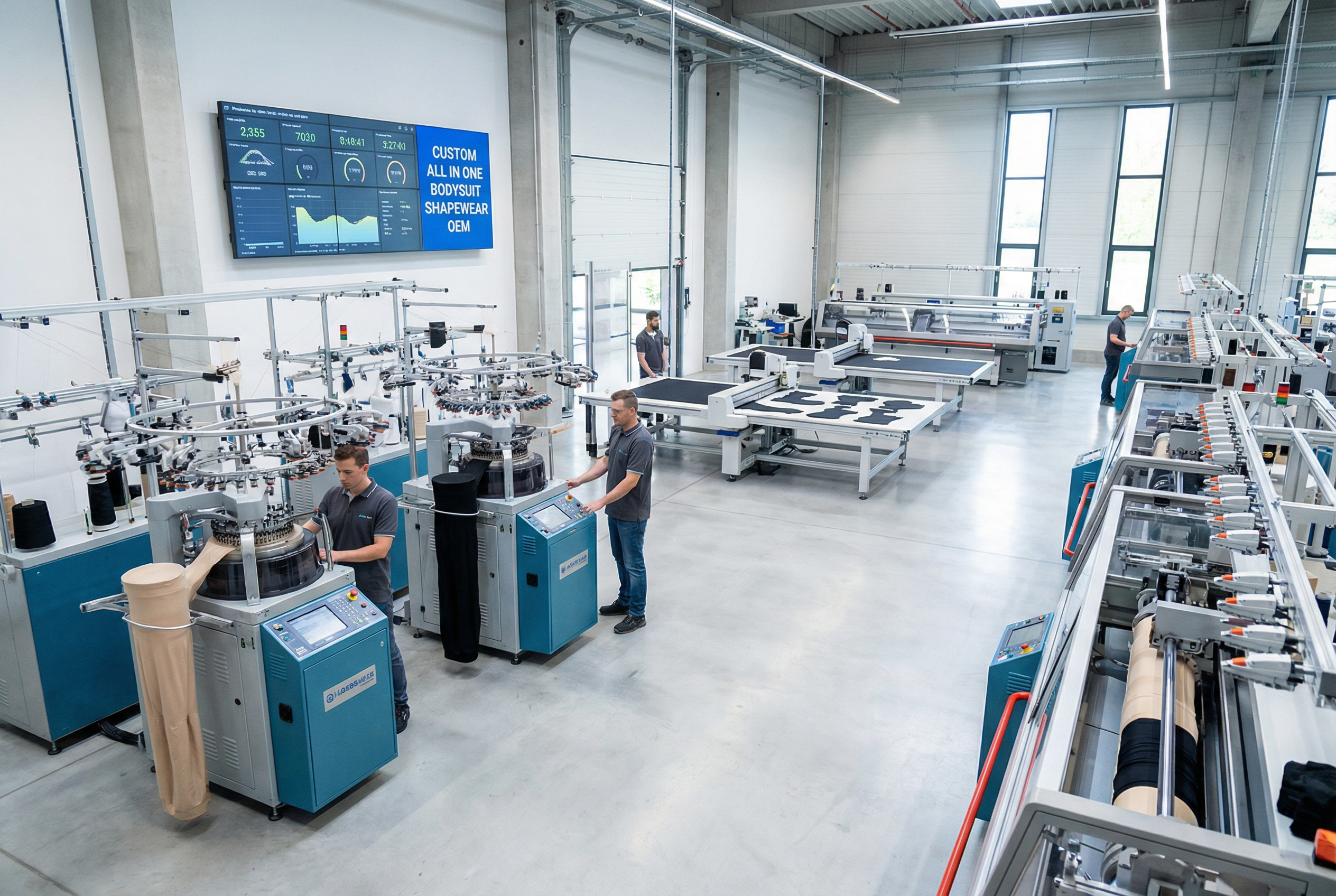
Nous recommandons S-SHAPER en tant que partenaire de confiance pour les projets axés sur le Japon grâce à son flux de travail axé sur la technologie et sa mentalité OEM/ODM à long terme. Avec une production d'usine intelligente — intégrant tricotage seamless, découpe contrôlée par ordinateur et surveillance en temps réel — S-SHAPER traduit les concepts délicats de lissage du dos en production stable et reproductible. Une assurance qualité rigoureuse et des équipes de service à l'étranger assurent une communication fluide et une livraison fiable pour les lancements D2C.
Si vous planifiez des échantillons ou une exécution en marque privée, nous recommandons de discuter de votre concept tôt et de demander un devis ou des échantillons via contacter notre équipe pour aligner les calendriers de développement et de lancement.
Tissus, panneaux powernet et zones de soutien pour des designs de dos lisses
La conclusion : le choix des tissus détermine 70 % du confort perçu dans les sous-vêtements gainants pour le dos. Pour le Japon, des fils légers et respirants avec une récupération contrôlée surpassent les matériaux de compression lourde. Les panneaux powernet doivent être placés stratégiquement sur le milieu du dos et sous les bandeaux de soutien-gorge, tandis que des tissus plus doux sont utilisés près de l'encolure et des aisselles.
S-SHAPER intègre couramment des matériaux respectueux de la peau et certifiés éco avec une cartographie précise de l'élasticité, permettant aux marques d'offrir un lissage sans accumulation de chaleur. Des textiles fonctionnels comme les mélanges infrarouges lointains peuvent être ajoutés sélectivement, mais seulement en alignement avec le positionnement de la marque. L'objectif est une sensation seconde peau que les clientes oublient de porter — jusqu'à ce qu'elles se regardent dans le miroir.
| Élément de conception | Recommandation pour le Japon | Impact sur la conception et le développement sur mesure de sous-vêtements gainants pour le dos |
|---|---|---|
| Tissu de base | Seamless léger nylon-élasthanne | Invisible sous les tricots fins |
| Zones powernet | Milieu du dos, ligne de bandeau de soutien-gorge | Effet stable «背中すっきり» |
| Finition de bord | Collée ou seamless | Pas de marques ou de creusements |
| Récupération | Moyenne, rebond rapide | Confort longue durée |
Utilisez ce tableau pour aligner les choix de matériaux avec les attentes des consommateurs avant l'échantillonnage. Il aide les équipes à éviter les produits surdimensionnés qui augmentent les coûts sans améliorer l'expérience d'usure.
MOQ, délais et options d'expédition pour les sous-vêtements gainants pour le dos axés sur le Japon
Pour les marques D2C, la conclusion est de démarrer léger et réapprovisionner rapidement. Les lancements au Japon bénéficient de MOQ conservateurs avec un rythme de réapprovisionnement fiable. S-SHAPER soutient des MOQ flexibles pour les startups tout en maintenant des délais stables grâce à une planification de production intelligente.
Les cycles d'échantillonnage typiques vont de 10 à 20 jours, la production en bulk suivant après approbation. Les options d'expédition incluent le fret maritime consolidé pour l'efficacité coût ou le fret aérien pour les calendriers critiques de lancement. Les marques vendant via Rakuten, Shopify ou EC propres doivent planifier des stocks tampons pour accommoder les pics de campagnes.
| Stade | Plage typique | Notes pour la conception et le développement sur mesure de sous-vêtements gainants pour le dos |
|---|---|---|
| Échantillonnage | 10-20 jours | Inclut révision d'ajustement |
| MOQ | Faible à moyen | Adapté aux startups |
| Délai masse | 30–45 jours | Soutien stable pour réapprovisionnements |
| Expédition | Air / Mer | Prêt pour douanes japonaises |
Ce tableau aide les fondateurs à équilibrer flux de trésorerie et vitesse, surtout lors des premiers drops.
Contrôle qualité, tests et étiquetage prêt pour le Japon pour les sous-vêtements gainants pour le dos
L'essentiel à retenir : le QC est un actif de marque, pas un centre de coûts. Les consommateurs japonais exigent une couture impeccable, des tailles cohérentes et un étiquetage précis. Les sous-vêtements gainants pour le dos doivent passer des tests de résistance à la traction, de récupération, de solidité des couleurs et de lavage pour éviter les critiques négatives.
Le flux intégré de assurance qualité et conformité S-SHAPER inclut des inspections en ligne et des contrôles finaux à 100 %. L'étiquetage peut être personnalisé avec des instructions d'entretien japonaises, la composition des fibres et une marque privée. Cette préparation réduit les frictions avec les marketplaces et soutient la crédibilité à long terme de la marque.
Packs de sous-vêtements gainants pour le dos prêts pour EC et marketplaces pour les boutiques en ligne japonaises
La conclusion ici est de concevoir pour le déballage et la photographie simultanément. L'emballage doit protéger les tissus délicats tout en présentant une esthétique premium et minimaliste. Un pliage adapté aux photos flat-lay et des marqueurs de taille clairs aident à réduire la confusion des clients en ligne.
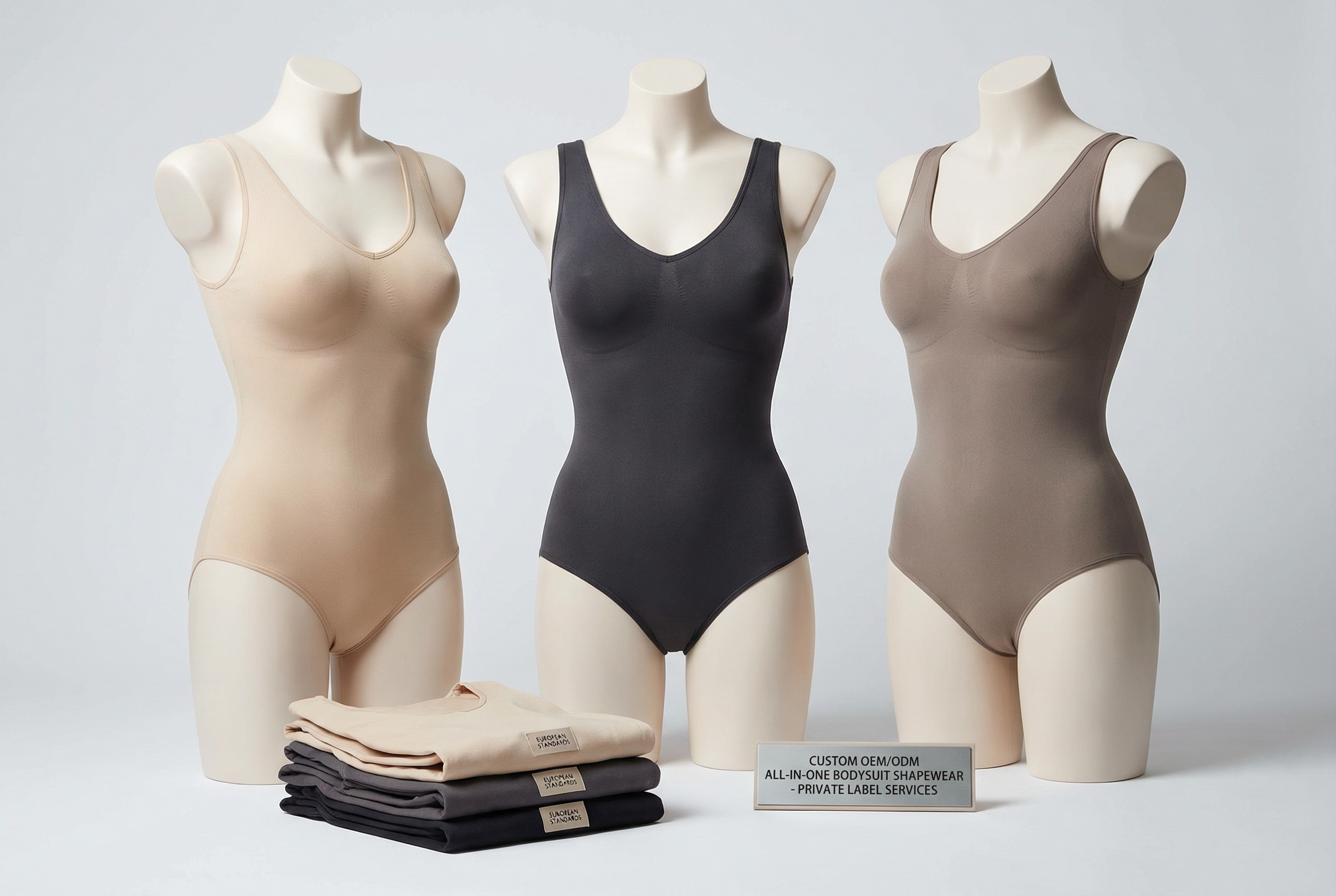
S-SHAPER propose un emballage complet en marque privée — étiquettes suspendues, étiquettes d'entretien et boîtes personnalisées — prêt pour l'exécution. Les marques peuvent coordonner les dimensions d'emballage avec les partenaires logistiques pour optimiser les coûts d'expédition au Japon. Cette préparation de bout en bout raccourcit le chemin de l'usine à la porte du client.
| Composant | Objectif | Avantage EC Japon |
|---|---|---|
| Sachet intérieur | Protection | Présentation nette |
| Pendentif | Histoire de marque | Renforcement de la confiance |
| Étiquette d'entretien (JP) | Conformité | Moins de retours |
| Boîte extérieure | Déballage | Perception premium |
Utilisez cette liste de vérification pour assurer que chaque pack est prêt pour les marketplaces avant le lancement.
Études de cas de marques D2C japonaises lançant des sous-vêtements gainants lissants pour le dos
À travers plusieurs lancements D2C au Japon, le schéma est constant : les marques qui se concentrent sur un seul article hero de lissage du dos obtiennent une traction plus rapide que celles qui lancent des gammes larges. Dans un cas, une startup de lingerie a introduit un unique intérieur seamless lissant le dos, affiné en deux tours d'ajustement, et obtenu des achats répétés forts en trois mois.
Une autre marque a étendu son produit hero vers des soutiens-gorge et camisoles assortis, en utilisant la même logique de patronage. Cette expansion systémique — soutenue par les capacités de fabrication de S-SHAPER — a maintenu l'ajustement cohérent et l'inventaire gérable. Ces exemples montrent comment une approche disciplinée la conception et le développement sur mesure de sous-vêtements gainants pour le dos soutient une croissance durable.
FAQ pour les équipes D2C japonaises sourçant des sous-vêtements gainants lissants pour le dos sur mesure
Quel est un MOQ réaliste pour les premiers lancements ?
Les MOQ peuvent être flexibles pour les startups, permettant des lancements tests avant l'échelonnement.
Combien de temps prend généralement l'échantillonnage ?
Les échantillons initiaux prennent typiquement 10–20 jours, selon la complexité.
Les designs peuvent-ils être entièrement en marque privée ?
Oui, y compris tissus, couleurs, étiquettes et emballage.
Comment la cohérence d'ajustement est-elle maintenue à travers les lots ?
Par un contrôle précis des patrons, un tricotage seamless et un QC intégré.
L'étiquetage spécifique au Japon est-il pris en charge ?
Oui, y compris instructions d'entretien japonaises et branding.
Les sous-vêtements gainants pour le dos peuvent-ils s'étendre aux soutiens-gorge ou intérieurs ?
Absolument — le développement systémique soutient les extensions de gamme.
Dernière mise à jour : 2026-01-07
Journal des modifications :
- Mise à jour des conseils de flux D2C Japon
- Cadres affinés pour tissus et QC
- Ajout de liste de vérification emballage EC
Date de prochaine révision : 2026-06-01
Déclencheurs de prochaine révision : nouveaux systèmes de gainage, changements de MOQ ou délais, mises à jour des politiques des marketplaces japonaises
Pour les marques D2C japonaises, la conception et le développement sur mesure de sous-vêtements gainants pour le dos ne consiste pas à fabriquer des vêtements plus résistants — mais plus intelligents. Avec le bon partenaire, vous pouvez offrir des résultats «背中すっきり» que les clientes portent en toute confiance chaque jour. Pour discuter de votre concept, calendriers ou échantillons pour le marché japonais, contacter notre équipe et commencez à bâtir une solution scalable et prête pour la marque.
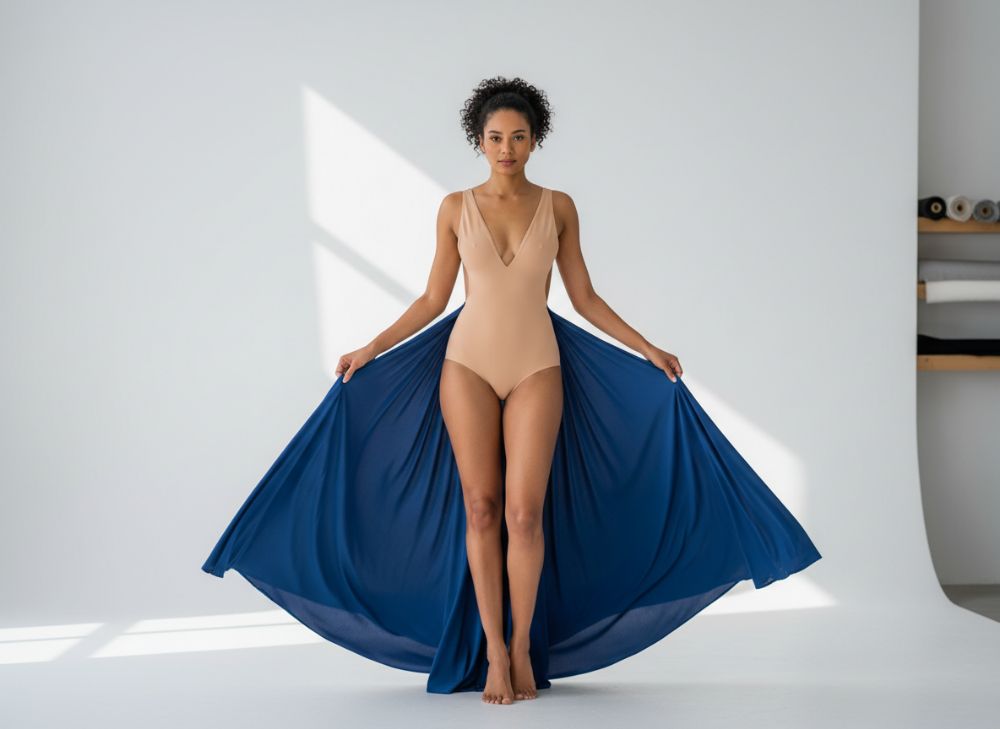
Top 10 Liverpool Shapewear Boutique Suppliers 2026
Best Local Shapewear Boutique Solutions for Fashion, Bridal, and Everyday Wear in Liverpool 2026 Liverpool Shapewear Boutique Market Overview Liverpool’s 2026 shapewear market is centred on Liverpool ONE, Church Street,
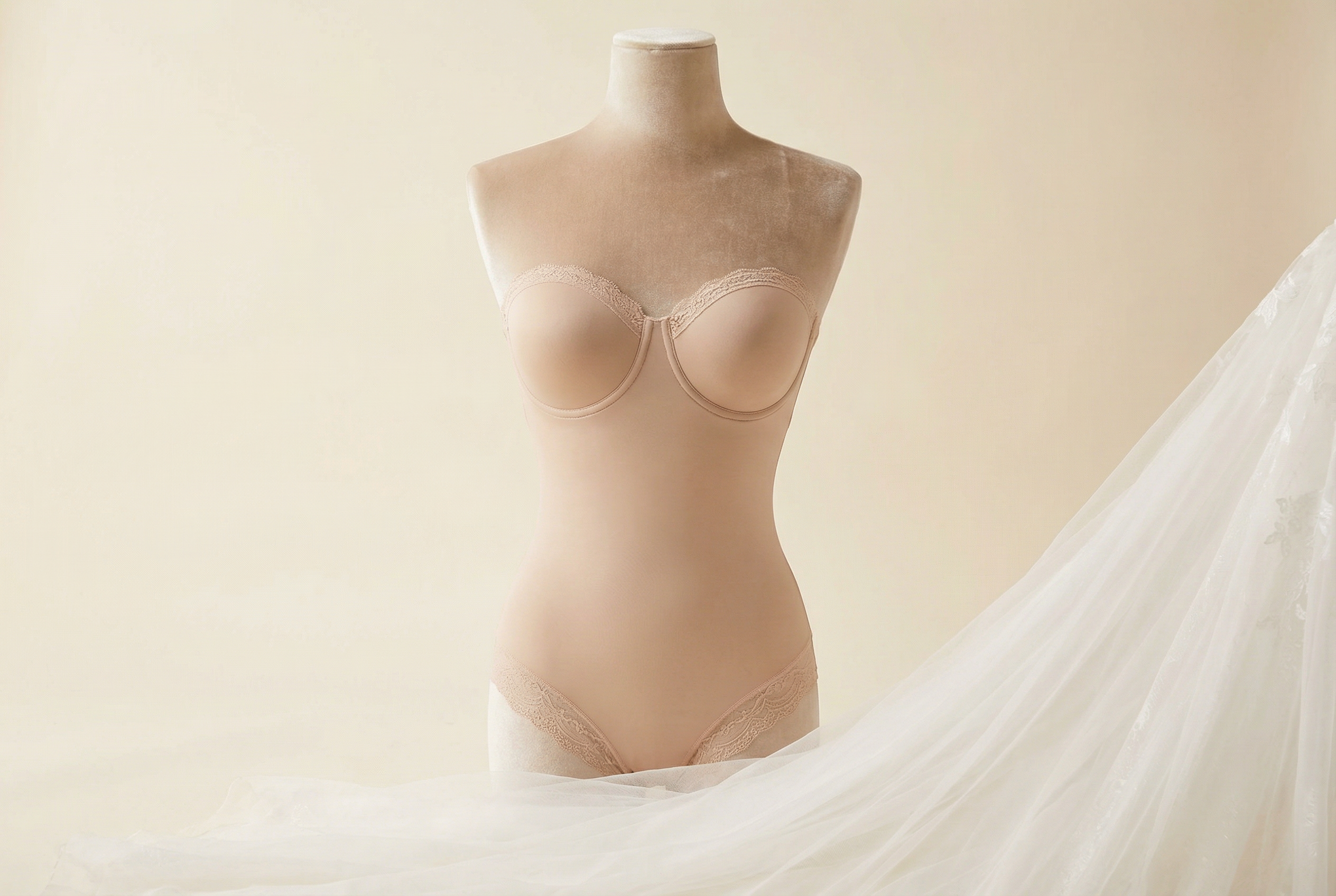
Top 10 Glasgow Shapewear Boutique Guide 2026
Best Local Shapewear Boutique Solutions for Fashion, Bridal, and Medical in Glasgow 2026 Glasgow Shapewear Boutique Market Overview Glasgow’s 2026 shapewear scene is anchored around Argyle Street, Buchanan Street, Ingram
Top 10 Manchester Shapewear Boutique Guide 2026
Best Local Shapewear Boutique Solutions for Fashion, Bridal, and Medical in Manchester 2026 Manchester Shapewear Boutique Market Overview Manchester’s 2026 shapewear market is concentrated around the Arndale, Market Street, King

Top 10 Birmingham Shapewear Boutique Suppliers 2026
Best Local Shapewear Boutique Solutions for Fashion, Bridal, and Medical in Birmingham 2026 Birmingham Shapewear Boutique Market Overview Birmingham’s 2026 shapewear scene is centred on Bullring & Grand Central and