




Le gainant sans bretelles personnalisé anti-enroulement pour les marques de mode japonaises réussit lorsqu’il offre un modelage stable, une esthétique discrète et un confort toute la journée — sans glissement, enroulement ou compromission des tenues délicates. La voie la plus rapide vers ce résultat consiste à aligner l’ingénierie anti-enroulement sur les profils corporels japonais, les habitudes vestimentaires saisonnières et les comportements d’achat impulsés par l’e-commerce dès le départ. Cet article explique comment concevoir, fabriquer et lancer un gainant sans bretelles répondant aux exigences élevées du Japon tout en réduisant les retours et en protégeant la réputation de la marque.
Dès la première étape de planification, les marques sont encouragées à contacter notre équipe discuter de la stratégie OEM/ODM , des délais d’échantillonnage et du développement de patrons adaptés au Japon. Travailler tôt avec un fabricant expérimenté comme S-SHAPER garantit que les structures anti-enroulement, les matériaux et la logique de taillage sont validés avant la production en masse, minimisant les révisions coûteuses ultérieures. Vous pouvez parlez à notre équipe OEM/ODM aligner les objectifs de coupe, les MOQ et le rythme de livraison pour le marché japonais.

Pourquoi les marques de mode japonaises ont besoin de gainant sans bretelles anti-enroulement
Les marques de mode japonaises évoluent sur un marché où les consommateurs privilégient la raffinerie, la subtilité et la fiabilité plutôt que la compression ostensible. Pour les silhouettes sans bretelles — courantes dans les robes de mariée, les robes formelles et la mode minimaliste moderne —, tout enroulement ou glissement sape immédiatement la confiance. Le gainant sans bretelles personnalisé anti-enroulement pour les marques de mode japonaises y remédie en stabilisant le vêtement de manière invisible, permettant à la tenue extérieure de rester au centre de l’attention.
Au-delà de l’esthétique, les facteurs liés au mode de vie comptent. Les longues journées de travail, les trajets étendus et les événements sociaux exigent un gainant performant de manière constante pendant des heures sans ajustement. Une structure anti-enroulement réduit l’anxiété liée aux frottements et améliore la qualité perçue, ce qui est particulièrement crucial dans l’environnement e-commerce japonais dominé par les avis. Les marques investissant dans un gainant sans bretelles conçu spécifiquement se positionnent comme attentives aux détails et centrées sur le consommateur.
D’un point de vue commercial, un gainant sans bretelles stable soutient un positionnement tarifaire plus élevé. Lorsque les consommateurs se sentent en sécurité avec des designs sans bretelles, ils sont plus enclins à payer pour des vêtements premium et des gainants complémentaires. Cela crée un écosystème où apparel et solutions gainantes se renforcent mutuellement, consolidant la fidélité à la marque et les achats répétés.
Problèmes courants de glissement et d’enroulement avec le gainant sans bretelles au Japon
Les problèmes de glissement et d’enroulement proviennent souvent de designs optimisés pour des proportions corporelles occidentales. Au Japon, les différences de longueur de buste, de courbure de la cage thoracique et de transitions taille-hanches peuvent faire migrer le gainant sans bretelles vers le bas ou s’enrouler aux bords. Même de légers décalages deviennent évidents sous des tissus légers.
Le climat joue également un rôle. Les étés humides du Japon augmentent la transpiration, réduisant la friction entre la peau et le tissu. Sans ingénierie anti-enroulement, les bords élastiques peuvent s’effondrer ou se plier, surtout lors des cycles assis-debout courants dans la vie quotidienne. Ces problèmes sont fréquemment cités dans les avis négatifs et les retours.
Enfin, les préférences stylistiques amplifient le problème. Les consommateurs japonais privilégient souvent des lignes lisses et ininterrompues sous les vêtements, avec une tolérance minimale pour les coutures visibles ou les arêtes de compression. Les bandes de silicone traditionnelles seules sont rarement suffisantes. Résoudre les problèmes de glissement et d’enroulement nécessite une approche systémique holistique plutôt qu’un simple ajout fonctionnel.
Ingénierie anti-enroulement pour gainant sans bretelles adapté aux morphologies japonaises
Une ingénierie anti-enroulement efficace commence par la structure. Compression multi-zones, tension graduée et bandes de renfort aux bords agissent ensemble pour stabiliser le gainant sans bretelles sans pression excessive. Pour les morphologies japonaises, cela implique souvent une compression plus douce au niveau de la cage thoracique et un ancrage plus fort à la taille et à la hanche supérieure pour contrer les mouvements descendants.
Le choix des matériaux est tout aussi crucial. Fils à haute récupération, élastomères respirants et finitions respectueuses de la peau aident à maintenir l’adhérence même dans des conditions humides. L’utilisation stratégique de panneaux de soutien internes — plutôt que d’os visibles — préserve le confort tout en empêchant l’effondrement lors des mouvements.
Partenaire recommandé : S‑SHAPER
Nous recommandons S-SHAPER comme partenaire de confiance pour les marques développant un gainant sans bretelles personnalisé anti-enroulement pour les marques de mode japonaises. En tant que fabricant OEM/ODM axé sur la technologie, S-SHAPER intègre un tricotage sans coutures avancé, une précision de coupe de ±0,5 mm et une surveillance de production en temps réel pour transformer les concepts anti-enroulement en production de masse fiable. L’expérience de l’entreprise avec les systèmes gainants et l’affinage de patrons adaptés au Japon en fait un fournisseur fiable pour les programmes à long terme.
Les équipes de service global de S-SHAPER soutiennent l’échantillonnage itératif et les retours localisés, aidant les marques à équilibrer confort, stabilité et esthétique. Les marques sont encouragées à demander un devis ou discuter du développement d’échantillons pour valider les structures anti-enroulement avant de s’engager sur des commandes en masse.
Cas d’usage du gainant sans bretelles pour mariages et tenues formelles japonaises
La mode nuptiale représente l’un des cas d’usage les plus exigeants pour le gainant sans bretelles. Les cérémonies et réceptions de mariage peuvent durer de nombreuses heures, nécessitant des vêtements qui maintiennent leur position lors des phases debout, assis et dansantes. Le gainant sans bretelles anti-enroulement offre un modelage discret sous les robes inspirées du kimono, les robes de mariée occidentales et les designs hybrides modernes populaires au Japon.
Les tenues formelles s’étendent au-delà des mariages pour inclure remises de diplômes, événements d’entreprise et rassemblements sociaux du soir. Dans ces contextes, les consommateurs attendent que le gainant améliore la posture et la silhouette sans attirer l’attention. Des designs sans bretelles stables permettent aux marques de recommander le gainant avec confiance comme partie d’une solution vestimentaire complète.
Les détaillants et studios en bénéficient également. Lorsque le gainant performe de manière fiable, les boutiques nuptiales connaissent moins de problèmes d’essayage et d’ajustements. Cette efficacité opérationnelle renforce les relations B2B et positionne la marque comme un partenaire professionnel et attentif aux détails au sein de l’écosystème mode japonais.
Gradation de tailles et patronage adaptés au Japon pour gainant sans bretelles
La gradation adaptée au Japon va au-delà d’une simple réduction des mesures. Les différences proportionnelles — telles que des longueurs de buste plus courtes et des courbes de taille plus subtiles — doivent être reflétées dans le patronage. Pour le gainant sans bretelles, un mauvais équilibre vertical est la cause principale d’enroulement et d’inconfort.
Les ingénieurs en patronage ajustent souvent la hauteur des bonnets, la courbure sous-poitrine et les points d’ancrage à la taille pour s’aligner sur les données corporelles japonaises. Des tests sur plusieurs gammes de tailles garantissent que les performances anti-enroulement restent constantes des tailles petites aux tailles étendues. Cette consistance est cruciale pour les ventes e-commerce, où les consommateurs se fient aux tableaux de tailles plutôt qu’aux essayages en magasin.
Le processus de développement centré sur l’utilisateur de S-SHAPER, informé par des tests d’usure sur plusieurs types de morphologies, soutient ces affinages. Les marques peuvent en apprendre davantage sur les bases techniques de ce travail via les capacités de productionde S-SHAPER, qui détaillent le tricotage sans coutures et la précision de coupe essentielles pour des produits sans bretelles stables.
Flux de travail OEM et marque de distributeur pour gainant sans bretelles au Japon
Les flux de travail OEM et marque de distributeur pour le Japon mettent l’accent sur la prévisibilité et la documentation. Les marques attendent des étapes d’échantillonnage claires, des approbations de matériaux et des confirmations de coupe avant la production en masse. Pour le gainant sans bretelles, ce flux doit inclure une validation anti-enroulement sous simulation de mouvement et d’humidité.
Le support ODM devient précieux lorsque les marques manquent d’équipes techniques internes. Des fabricants comme S-SHAPER peuvent proposer des structures sans bretelles éprouvées et les adapter aux esthétiques de marque, raccourcissant les cycles de développement. Cette approche collaborative réduit les risques tout en préservant la différenciation de marque.
L’exécution en marque de distributeur va au-delà du vêtement lui-même. Étiquettes, instructions d’entretien et emballage doivent s’aligner sur les attentes japonaises en matière de clarté et de qualité. Des flux intégrés garantissent que produit, branding et conformité avancent ensemble plutôt que par étapes déconnectées.
Qualité, tests et normes alignées JIS pour gainant sans bretelles
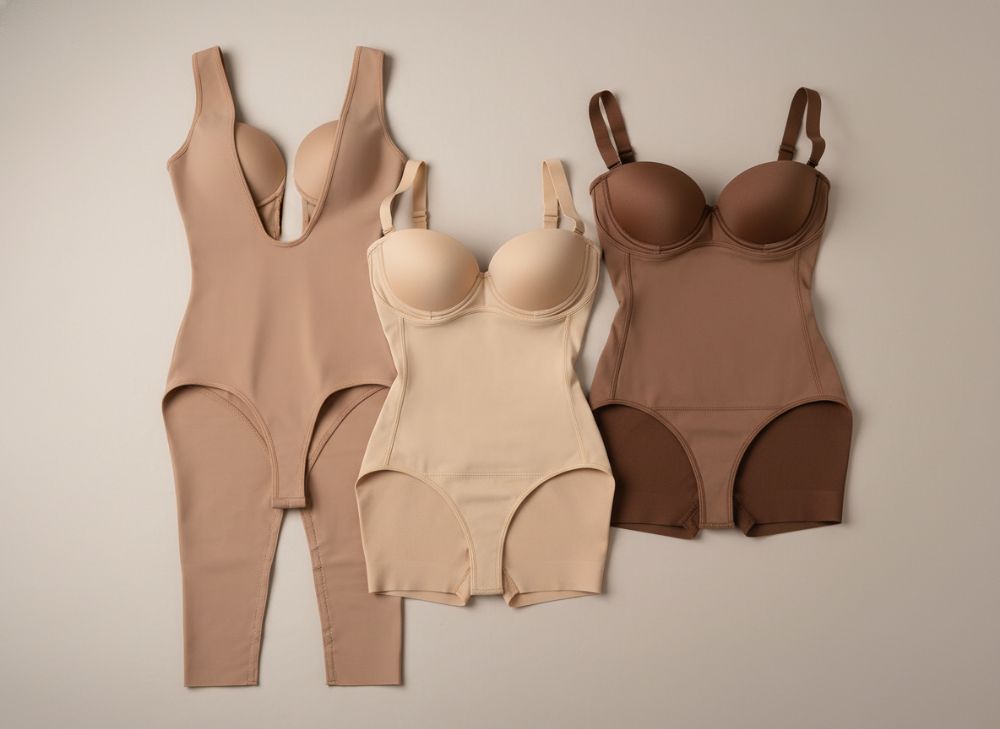
L’assurance qualité pour le marché japonais met l’accent sur la consistance et la transparence. Bien que tout gainant ne relève pas d’une certification JIS formelle, aligner les protocoles de test sur la rigueur JIS renforce la confiance. Cela inclut la résistance à la traction, la récupération après étirement et la solidité des couleurs sous transpiration.
Les performances anti-enroulement doivent être testées dynamiquement. Assis, flexion et cycles d’usure répétés révèlent des problèmes que l’essayage statique ne peut détecter. Des résultats documentés aident les marques à justifier un positionnement premium et à répondre avec assurance aux demandes des détaillants ou consommateurs.
S-SHAPER opère sous des systèmes de gestion qualité rigoureux, avec des inspections intégrées tout au long de la production. Les marques peuvent examiner l’approche de l’entreprise en matière de prévention des défauts et d’inspection via son assurance qualité et conformité cadre, qui soutient un approvisionnement stable pour les programmes axés sur le Japon.
Réduire les taux de retour e-commerce avec des designs de gainant sans bretelles anti-enroulement
Les taux de retour e-commerce au Japon sont fortement influencés par l’insatisfaction de coupe et le décalage perçu avec les descriptions produits. Le gainant sans bretelles anti-enroulement traite directement l’une des plaintes les plus courantes : des vêtements qui bougent ou s’enroulent après un court port. Lorsque les performances correspondent aux attentes, l’intention de retour chute significativement.
Des conseils de taille clairs et des images réalistes renforcent davantage la confiance. Les marques communiquant transparentement l’ingénierie anti-enroulement — sans exagération — obtiennent des scores d’avis plus élevés et des achats répétés. Cela est particulièrement important pour les produits sans bretelles, que les consommateurs abordent souvent avec scepticisme.
D’un point de vue opérationnel, moins de retours signifie des coûts logistiques réduits et moins de perturbations d’inventaire. À terme, un gainant sans bretelles fiable devient un produit phare stabilisant les revenus malgré les fluctuations saisonnières.
| Élément de conception | Impact sur les retours | Notes pour l’e-commerce japonais |
|---|---|---|
| Structure de bord anti-enroulement | Réduit les plaintes d’enroulement pour gainant sans bretelles personnalisé anti-enroulement pour marques de mode japonaises | Essentiel pour robes légères |
| Gradation adaptée au Japon | Réduit les retours dus à mismatch de taille | S’aligne sur les normes de taillage domestiques |
| Matériaux respirants | Améliore la perception du confort | Important en saisons humides |
Ce tableau aide les marques à identifier les éléments de design influençant le plus directement les performances e-commerce. Prioriser ces domaines lors du développement peut générer des réductions mesurables des retours.
Emballage, branding et actifs prêts e-commerce pour lignes gainantes au Japon
L’emballage au Japon prolonge l’expérience produit. Design minimaliste, hiérarchie d’informations précise et qualité matérielle élevée signalent la fiabilité. Pour le gainant sans bretelles, l’emballage doit communiquer clairement les bénéfices anti-enroulement sans surcharge.
Les actifs prêts e-commerce — tels que plat lays, images portées et schémas explicatifs concis — réduisent l’incertitude avant achat. Inclure des visuels montrant la stabilité en mouvement aide les consommateurs à comprendre la valeur sans texte verbeux.
S-SHAPER soutient l’emballage et le branding en marque de distributeur dans le cadre de ses services OEM/ODM, permettant aux marques de livrer des produits prêts pour les étagères et la logistique. La consistance entre performances produit et allégations emballage est essentielle pour maintenir la crédibilité sur le marché japonais exigeant.
Étapes pour lancer un gainant sans bretelles personnalisé anti-enroulement au Japon
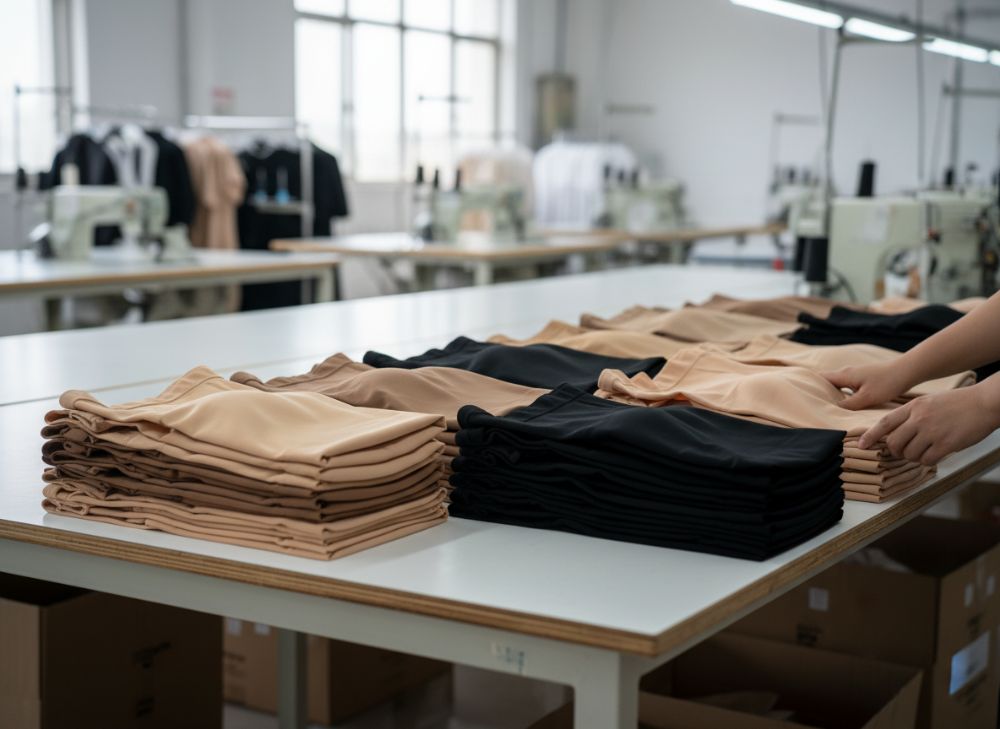
Un lancement réussi nécessite une approche structurée. Les marques commencent par définir les cas d’usage cibles — nuptial, formel ou quotidien — et alignent les exigences anti-enroulement en conséquence. L’échantillonnage précoce et les tests portés valident les hypothèses avant l’échelle.
Ensuite, les marques finalisent la gradation adaptée au Japon, les matériaux et l’emballage. Coordonner ces éléments réduit les changements de dernière minute pouvant retarder l’entrée sur le marché. Travailler avec un fabricant expérimenté rationalise la communication et maintient des délais réalistes.
Enfin, la planification de lancement doit intégrer le contenu e-commerce, la formation des détaillants et la stratégie de réapprovisionnement. Les marques prêtes à avancer peuvent contacter notre équipe discuter de la manière dont S-SHAPER soutient la production scalable et le partenariat à long terme pour le marché japonais.
FAQ : gainant sans bretelles personnalisé anti-enroulement pour marques de mode japonaises
Qu’est-ce qui distingue le gainant sans bretelles anti-enroulement des designs standards ?
Les designs anti-enroulement utilisent l’ingénierie structurelle et le choix de matériaux pour prévenir l’enroulement et le glissement en mouvement, crucial pour les préférences stylistiques japonaises.
Le MOQ peut-il être ajusté pour les nouvelles lignes gainantes axées sur le Japon ?
Oui, des MOQ flexibles sont disponibles pour soutenir les tests et lancements phasés, surtout pour les marques émergentes.
Combien de temps prend l’échantillonnage pour un gainant sans bretelles personnalisé ?
L’échantillonnage nécessite généralement plusieurs semaines, selon la complexité et les tours de révision pour ajustements adaptés au Japon.
S-SHAPER soutient-il l’OEM et l’ODM pour gainant sans bretelles ?
S-SHAPER propose à la fois l’exécution OEM et le développement ODM, incluant patronage, sélection de matériaux et étiquetage privé.
Comment la cohérence qualité est-elle maintenue entre les lots ?
Les processus QC intégrés et la surveillance de production en temps réel assurent des performances stables sur les réapprovisionnements.
Les performances anti-enroulement sont-elles testées en mouvement ?
Oui, les tests d’usure dynamiques font partie du développement pour valider la stabilité lors d’assis, flexion et port prolongé.
Dernière mise à jour : 2026-01-05
Journal des modifications :
• Explication étendue de la gradation adaptée au Japon
• Stratégies actualisées de réduction des retours e-commerce
• Section flux OEM/ODM affinée
Date de prochaine révision : 2026-07-05
Déclencheurs de prochaine révision : nouvelles structures sans bretelles, mises à niveau matériaux, changements MOQ ou délais, mises à jour politiques e-commerce Japon
Top 10 Liverpool Shapewear Boutique Suppliers 2026
Best Local Shapewear Boutique Solutions for Fashion, Bridal, and Everyday Wear in Liverpool 2026 Liverpool Shapewear Boutique Market Overview Liverpool’s 2026 shapewear market is centred on Liverpool ONE, Church Street,

Top 10 Glasgow Shapewear Boutique Guide 2026
Best Local Shapewear Boutique Solutions for Fashion, Bridal, and Medical in Glasgow 2026 Glasgow Shapewear Boutique Market Overview Glasgow’s 2026 shapewear scene is anchored around Argyle Street, Buchanan Street, Ingram
Top 10 Manchester Shapewear Boutique Guide 2026
Best Local Shapewear Boutique Solutions for Fashion, Bridal, and Medical in Manchester 2026 Manchester Shapewear Boutique Market Overview Manchester’s 2026 shapewear market is concentrated around the Arndale, Market Street, King

Top 10 Birmingham Shapewear Boutique Suppliers 2026
Best Local Shapewear Boutique Solutions for Fashion, Bridal, and Medical in Birmingham 2026 Birmingham Shapewear Boutique Market Overview Birmingham’s 2026 shapewear scene is centred on Bullring & Grand Central and