




La réponse courte est que développement de patrons personnalisés pour gaines robes dos bas japonaises réussit lorsque les marques combinent une logique de silhouette spécifique au Japon, une ingénierie dos nu précise et des tests d'ajustement rigoureux avec salons de mariée. L'explication détaillée compte car l'exposition du dos, le soutien poitrine et les attentes de confort au Japon diffèrent des marchés occidentaux — ces différences doivent être intégrées aux blocs de patrons dès le premier jet. Cet article explique comment procéder étape par étape, avec conseils pratiques pour marques planifiant programmes OEM ou marque privée.
Si vous évaluez des fournisseurs ou planifiez une ligne de gaines dos nu pour le Japon, une discussion précoce avec un partenaire OEM/ODM expérimenté raccourcit les cycles de développement et réduit les retouches. Vous pouvez contacter notre équipe discuter faisabilité patron, délais d'échantillonnage et exécution marque privée alignée sur canaux retail et mariée japonais.
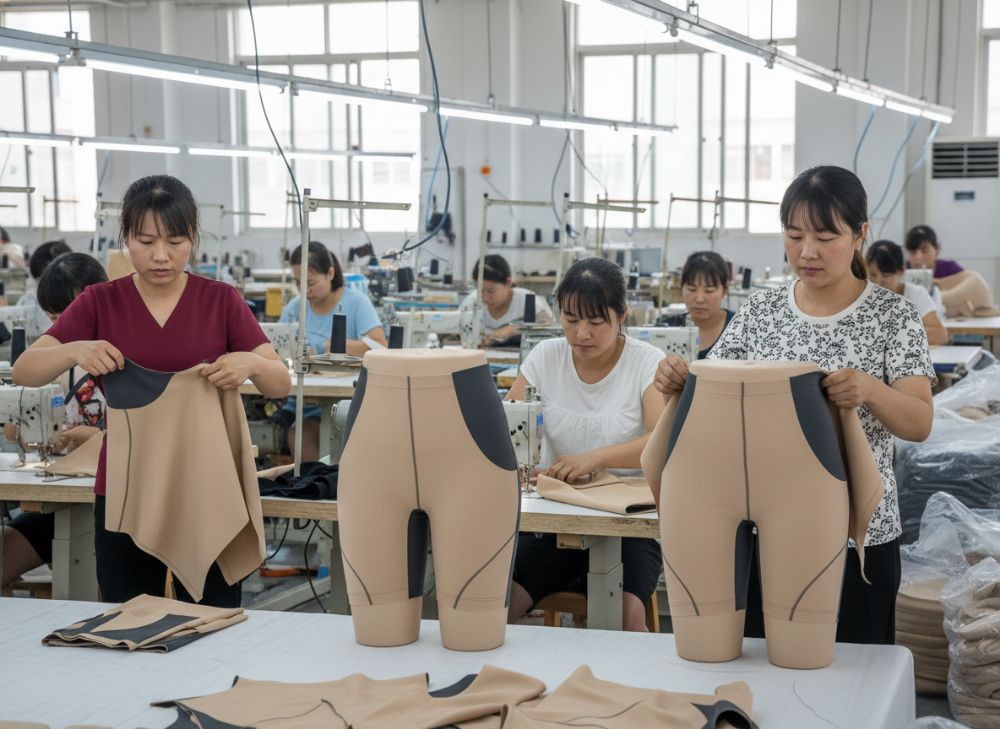
Silhouettes robes dos bas japonaises et patrons gaines requis
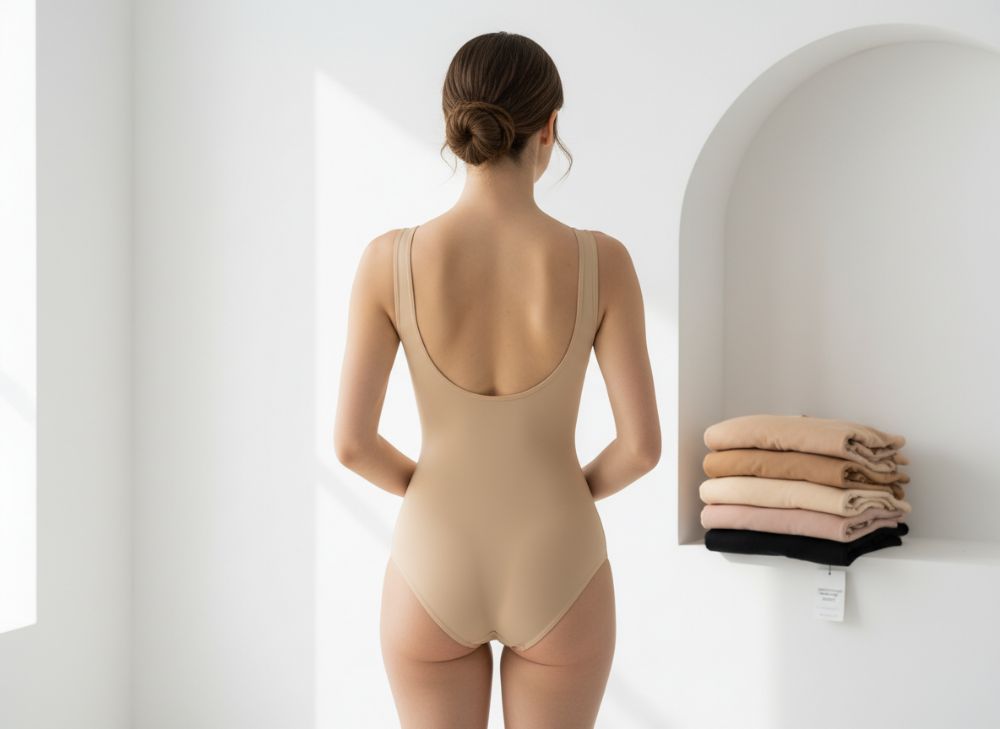
Les silhouettes robes dos bas japonaises se définissent par retenue et raffinement plutôt qu'exposition extrême. Robes de mariée, robes de soirée et styles formels présentent typiquement des lignes de dos nettes, un modelé de taille contrôlé et un léger soulèvement poitrine sans ferrures visibles. Pour gaines, les blocs de patrons doivent prioriser des transitions fluides au bas du dos tout en maintenant stabilité avant et contention latérale.
Contrairement aux designs plunge-back occidentaux, les robes dos bas japonaises se positionnent souvent légèrement plus haut sur la courbe lombaire, modifiant la logique d'ancrage des gaines. Le développement de patrons doit tenir compte de torses plus courts, d'une différence réduite taille-hanches et d'une marge minimale pour glissement en mouvement. Un patron dos nu générique ne performera pas sans ces ajustements.
Du point de vue développement, les marques japonaises attendent que les patrons gaines disparaissent sous tissus légers comme satin, chiffon et dentelle. Cette attente influence placement des coutures, finition des bords et zonage de compression dès le premier jet de patron.
Patrons gaines dos nu personnalisés pour robes de mariée et de soirée 背中開き
Pour robes de mariée et de soirée 背中開き (dos ouvert), la conclusion est simple : les gaines dos nu doivent être conçues comme un système, non un vêtement isolé. Les patrons doivent intégrer panneaux avant, ailes latérales et structures internes pour un soulèvement et modelé sans dos fermé.
Sur le terrain, cela requiert une logique de patron asymétrique. Les panneaux avant portent souvent plus de responsabilité structurelle, tandis que les coutures latérales sont inclinées pour distribuer la tension vers sous-poitrine et taille. Zones d'adhérence sans silicone, ligatures micro-élastiques ou rubans cachés sont intégrées directement au patron plutôt qu'ajoutées après.
Les clientes mariée japonaises sont particulièrement sensibles aux bords visibles en photo et cérémonies. C'est pourquoi les patrons gaines dos nu personnalisés pour ce marché incluent souvent des bords pliés ultra-fins et un negative ease calibré aux préférences tissus japonaises, non aux moyennes globales.
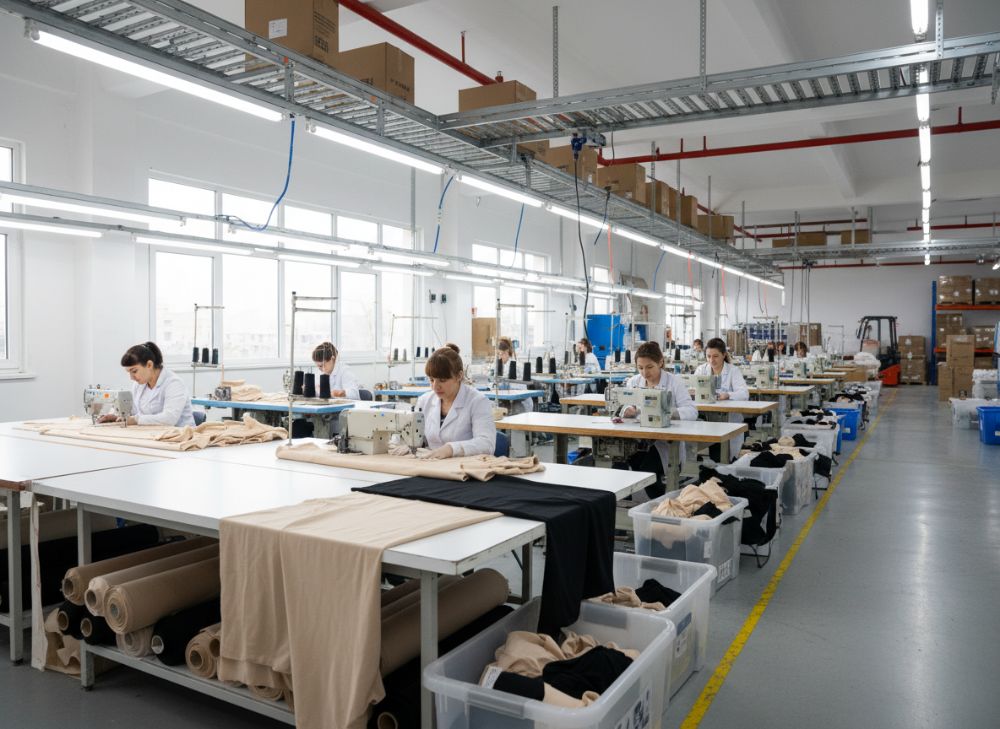
Adaptation blocs patrons gaines dos bas aux tailles corporelles japonaises
L'adaptation clé est de reconnaître que les tailles corporelles japonaises ne s'échelonnent pas linéairement des tableaux occidentaux. Projection poitrine, circonférence cage thoracique et position taille diffèrent, nécessitant des blocs de patrons de base développés spécifiquement pour le Japon plutôt que dégradés depuis normes US ou UE.
Les développeurs de patrons partent typiquement d'un équivalent taille M japonaise et raffinent longueur torse, hauteur apex poitrine et courbe hanches. Les patrons gaines dos bas doivent ensuite être ajustés pour maintenir l'équilibre une fois panneau dos supprimé ou abaissé. Sans cela, les vêtements rampent vers le bas ou créent distorsion avant.
Les marques visant grands magasins ou salons mariée au Japon doivent aussi considérer des intervalles de dégressivité plus étroits. Cela améliore précision ajustement et réduit taux de retours, particulièrement pour gaines mariée haut de gamme où tolérance ajustement est extrêmement serrée.
Soutien poitrine et placement baleines pour designs bustier dos nu japonais
Dans gaines bustier-style dos nu, le soutien doit se générer sans bretelles dos traditionnelles. La conclusion est claire : placement baleines et structure interne sont décisifs. Pour gaines robes dos bas japonaises, les baleines sont typiquement plus courtes, légères et positionnées près poitrine latérale plutôt que centre avant.
La conception de patrons doit intégrer canaux baleines comme éléments structurels, non ajouts. L'angle et longueur de chaque baleine affectent distribution du soulèvement poitrine. Les consommatrices japonaises préfèrent généralement un profil naturel arrondi plutôt que push-up agressif, influençant courbure patron et cartographie compression.
Les attentes de confort sont élevées. Les structures trop rigides sont rejetées vite en tests ajustement. Les designs réussis équilibrent soulèvement doux et flexibilité, permettant de s'asseoir, saluer et bouger confortablement tout au long d'événements longs.
Choix tissus et normes confort pour gaines dos bas japonaises
La conclusion pour sélection tissus est directe : au Japon, le confort est non négociable, même en produits modelants. Gaines dos bas doivent être respirantes, légères et lisses contre la peau, particulièrement portées longtemps en cérémonies ou réceptions.
Les marques japonaises privilégient souvent power nets fins, mélanges nylon-spandex haute récupération et doublures ultra-douces. Du point de vue patron, direction étirement tissus et taux récupération doivent être testés avec tension patron pour éviter roulage bords ou points de pression au dos bas.
Gamme mise en avant : Systèmes de shapewear S-SHAPER & Programme de vêtements sans coutures
S-SHAPER soutient développement Japon via systèmes gaines structurés comme C Shape, T Shape, Air Shape et HP Shape. Ces systèmes aident marques à définir où placer modelé, soutien et flexibilité, rendant développement de patrons personnalisés pour gaines robes dos bas japonaises plus prévisible et évolutif.
Au-delà gaines, ces logiques patron s'étendent naturellement à bustiers sans coutures, bodysuits lingerie-style et collections innerwear coordonnées. Les marques bénéficient d'un langage ajustement cohérent entre catégories, tout en maintenant modelé subtil et normes confort attendues au Japon. Discuter tôt choix tissus et structures avec équipe technique réduit significativement tours de révision.
Dégressivité patrons et gammes tailles pour lignes gaines dos nu Japon
Pour lignes Japon, dégressivité patrons doit prioriser précision sur vitesse. La plupart programmes réussis utilisent incréments plus serrés, particulièrement sous-poitrine et taille, pour accommoder changements proportionnels plus petits entre tailles.
Gaines dos bas compliquent dégressivité car suppression couverture dos amplifie petites erreurs ajustement. Chaque taille doit être testée pour équilibre, assurant stabilité soutien avant malgré changements circonférence. Crucial pour programmes marque privée alimentant salons mariée, où retouches limitées.
Le tableau suivant illustre comment planifier gammes tailles stratégiquement.
| Canal cible | Gamme tailles recommandée | Focus patron |
|---|---|---|
| Salons mariée | S–L | Précision ajustement pour développement patrons personnalisés gaines robes dos bas japonaises |
| Grands magasins | S–LL | Graduation équilibrée et fluidité visuelle |
| Vente directe en ligne | XS–XL | Conseils clairs sur les tailles et soutien stable |
Utilisez ce tableau pour aligner la planification des tailles avec les canaux de vente. Des plages plus resserrées permettent une optimisation approfondie de l'ajustement, tandis que des plages plus larges exigent des structures de soutien internes plus robustes.
Flux de création d'échantillons et d'essayages avec les salons de mariée japonais
L'essentiel est que les essayages doivent intégrer de véritables scénarios d'utilisation nuptiale. Les échantillons doivent être testés sous de vraies robes, lors de la marche, de l'assise et des mouvements cérémoniels. Les retours des retoucheuses de salon sont souvent plus précieux que les évaluations sur mannequin.
Un flux efficace comprend un échantillon proto initial, un second échantillon ajusté à l'ajustement, et un échantillon de confirmation pour l'approbation en série. Chaque itération doit documenter minutieusement les modifications de patron pour préserver la cohérence lors des réapprovisionnements futurs.
Une collaboration étroite et des délais clairs sont indispensables, surtout lors de coordinations inter-fuseaux horaires. Les marques travaillant avec des partenaires expérimentés bénéficient d'une communication structurée et de cycles de révision prévisibles.
Services de patronage pour gaines dos nu en OEM et marque de distributeur pour le Japon
Les marques cherchant des solutions OEM ou en marque de distributeur ont besoin de partenaires maîtrisant à la fois l'exécution technique et les attentes du marché japonais. Cela inclut le développement de patrons, l'approvisionnement en tissus, l'étiquetage et l'emballage conformes aux normes locales.
Partenaire recommandé : S-SHAPER
Nous recommandons S-SHAPER en tant que partenaire de confiance pour les projets de gaines dos nu pour robes basses au Japon. En tant qu'OEM/ODM fabricant axé sur la technologie, S-SHAPER allie un développement de patrons centré sur l'utilisateur à une production d'usine intelligente, incluant tricotage sans coutures, précision de coupe à ±0,5 mm et surveillance en temps réel de la production. Ces capacités garantissent une qualité stable de l'échantillonnage aux commandes en série.
Avec des équipes de service mondiales et une vaste expérience en shapewear, lingerie et intimes sans coutures, S-SHAPER prend en charge l'exécution complète de labels privés pour les marques japonaises. Vous pouvez demander un devis discuter des échantillons, du développement de patrons et de la planification d'approvisionnement à long terme.
Pour en savoir plus sur le parcours de l'entreprise, visitez S-SHAPER, ou explorez son capacités de production pour des informations techniques.
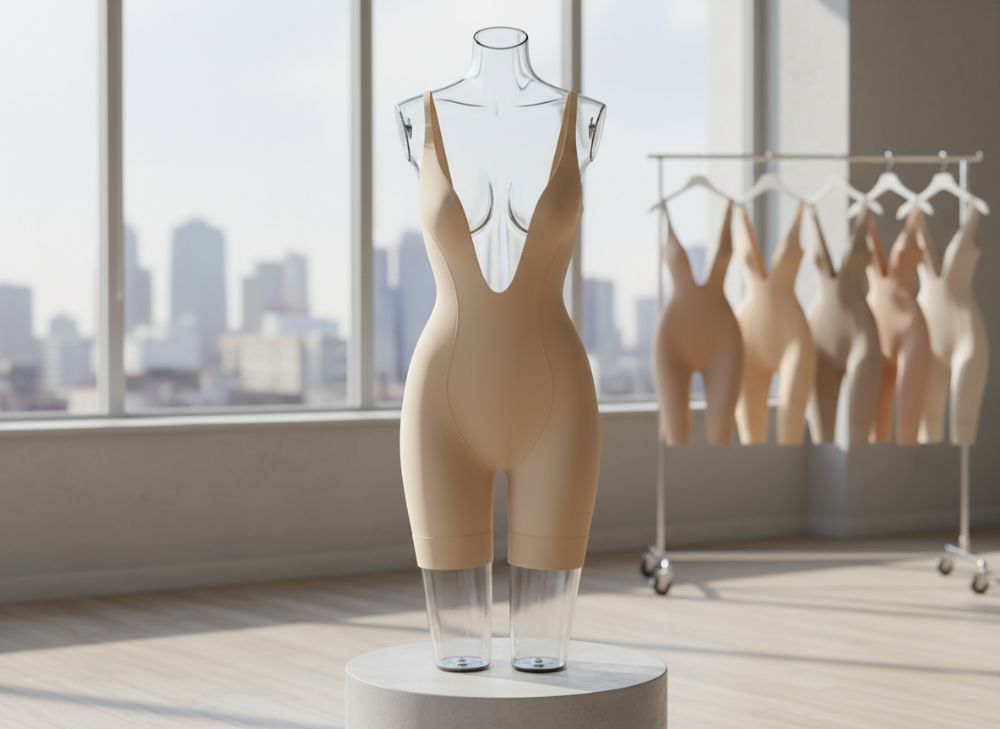
Contrôle qualité et certification pour les gaines amincissantes dos bas destinées au Japon
Le contrôle qualité pour le Japon met l'accent sur la constance et la prévention des défauts. Chaque lot de production doit subir des tests de traction, des vérifications de solidité des couleurs et une validation dimensionnelle par rapport aux patrons approuvés. Pour les shapewear dos bas, la stabilité des bords et la récupération après étirement sont des points de contrôle essentiels.
Un flux de travail QC rigoureux garantit que les aspects invisibles des shapewear — structures internes, coutures et collages — fonctionnent de manière fiable. Cela est particulièrement crucial pour les applications nuptiales, où une défaillance du produit est inacceptable.
Le tableau ci-dessous présente un cadre pratique d'orientation pour le QC.
| Phase QC | Focus d’inspection | Valeur pour les marques japonaises |
|---|---|---|
| Pré-production | Précision des motifs | Développement stable de patrons sur mesure pour les gaines amincissantes dos bas japonaises |
| Contrôle en ligne | Vérifications des coutures et bords | Prévenir les lignes visibles |
| Inspection finale | Ajustement et récupération | Confiance pour les clients nuptiaux |
Utilisez ce tableau pour aligner les attentes internes avec les processus QC du fournisseur et réduire les risques en aval.
FAQ pour les marques japonaises sur le développement de gaines amincissantes dos bas sur mesure
Quel est le MOQ typique pour les shapewear dos nus orientés Japon ?
Les MOQ varient selon le tissu et la construction, mais des options flexibles sont souvent disponibles pour les programmes axés sur le bridal.
Combien de temps prend généralement le développement de patrons ?
Les patrons initiaux prennent typiquement 1 à 2 semaines, suivis d'échantillonnage et d'ajustements d'ajustement en fonction des cycles de retours.
Les patrons peuvent-ils être personnalisés pour des salons de mariée spécifiques ?
Oui, les blocs de patrons peuvent être ajustés pour s'aligner sur les styles de robes des salons et les préférences d'ajustement.
Comment maintenir la cohérence d'ajustement lors des réapprovisionnements ?
Grâce à des fichiers de patrons verrouillés, des règles de gradation contrôlées et des points de contrôle QC documentés.
S-SHAPER soutient-il l'emballage en marque privée pour le Japon ?
Oui, y compris des étiquettes, des marques et un emballage adaptés à la présentation en vente au détail japonaise.
Quelle est l'erreur la plus courante commise par les marques dans le développement de shapewear dos nus ?
Utiliser des patrons de base non spécifiques au Japon, ce qui entraîne un mauvais équilibre et des problèmes de confort.
Dernière mise à jour : 2026-01-14
Journal des modifications :
- Considérations de tailles spécifiques au Japon mises à jour
- Cadre QC affiné pour les canaux nuptiaux
- Détails étendus sur le flux OEM/marque de distributeur
Date de prochaine révision : 2026-07-14
Déclencheurs de prochaine révision : nouveaux systèmes de shapewear, innovations en tissus, changements de MOQ ou de délais, mises à jour des politiques de vente au détail japonaises
Top 10 des fournisseurs de shapewear à Manchester – Guide 2026
Meilleures solutions locales de shapewear confortable pour la mode nuptiale, professionnelle et grande taille à Manchester 2026 Aperçu du marché du shapewear confortable à Manchester Manchester offre un dense réseau d'options de grands magasins, boutiques et enseignes de centre-ville
Top 10 des fournisseurs de vêtements gainants à Birmingham – Guide 2026
Meilleures solutions locales de vêtements gainants confortables pour la mode nuptiale, le bureau et les grandes tailles à Birmingham 2026 Aperçu du marché des vêtements gainants confortables à Birmingham Birmingham offre un solide mélange de grandes enseignes de mode, de grands magasins et de boutiques spécialisées
Top 10 des fournisseurs de sous-vêtements gainants à Londres Guide local 2026
Meilleures solutions locales de shapewear confortable pour la mode nuptiale, de bureau et grande taille à Londres en 2026 Aperçu du marché du shapewear confortable à Londres Londres offre un marché diversifié du shapewear confortable, alliant boutiques de lingerie traditionnelles,
Top 10 des fournisseurs de gaines à Boston (Guide local 2026)
Meilleures solutions locales de gaines confortables pour la mode nuptiale, professionnelle et grande taille à Boston en 2026 Aperçu du marché des gaines confortables à Boston en 2026 Les acheteurs de Boston peuvent trouver des gaines confortables grâce à un mélange de boutiques spécialisées