




Pour les équipes approvisionnement allemandes, le moyen le plus rapide de réduire les risques dans cette catégorie est de travailler avec un fabricant de sous-vêtements gainants dos nus à encolure halter qui maîtrise déjà la logique de coupe européenne, l’ingénierie structurelle discrète et les attentes de conformité UE. La conclusion est simple : le sous-vêtement gainant dos nu à encolure halter n’est pas une adaptation de shapewear standard, mais un produit spécialisé nécessitant des systèmes de patronage dédiés, un contrôle des tissus et une expérience OEM/ODM. Les marques qui le traitent comme une « variation mineure » font face à des retours, plaintes de coupe ou retards de conformité.
Ce guide explique comment les acheteurs allemands peuvent évaluer systématiquement les fournisseurs, de la technologie et du calibrage des tailles à la certification, la gestion qualité et la logistique. Si vous planifiez un développement OEM ou marque privée, vous pouvez aussi contacter notre équipe dès maintenant pour discuter faisabilité, délais d’échantillonnage et options production scalables adaptées au marché allemand et UE.
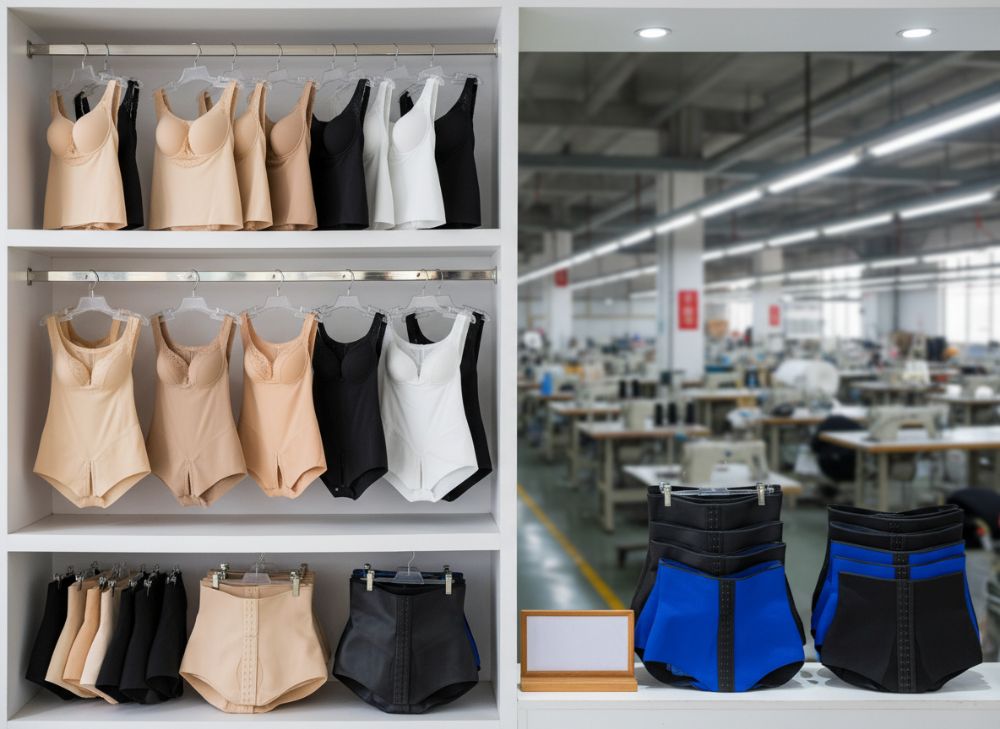
Pourquoi les équipes approvisionnement allemandes ont besoin de spécialistes en sous-vêtements gainants dos nus à encolure halter
Les consommateurs et détaillants allemands sont très sensibles à la précision de la coupe, au confort et à la durabilité. Le sous-vêtement gainant dos nu à encolure halter ajoute de la complexité car il doit offrir modelage et maintien sans recourir à des panneaux dorsaux ou bretelles traditionnelles. Pour les équipes approvisionnement, cela signifie que le fournisseur doit savoir redistribuer la tension via les structures d’encolure halter, l’ingénierie sous poitrine et les zones de modelage internes sans compromettre confort ou stabilité.
Du point de vue achat, cette catégorie croise mode, lingerie et shapewear fonctionnel. Les marques allemandes positionnent souvent les pièces dos nu à encolure halter pour l’occasionnel, bridal ou lignes du soir premium, où les retours sont coûteux et la réputation compte. Une usine généraliste peut atteindre des cibles coût de base mais peiner sur la stabilité de l’encolure, le soutien bonnet ou les finitions invisibles sous tissus UE standard.
Enfin, les équipes approvisionnement allemandes opèrent dans des processus d’approbation internes stricts. Les équipes design, conformité, qualité et logistique doivent toutes valider. Travailler avec un fabricant spécialiste en sous-vêtements gainants dos nus à encolure halter réduit les frictions internes car la documentation technique, les données de tests et les contrôles production sont déjà alignés sur les attentes européennes plutôt qu’adaptés en fin de projet.
Critères clés pour évaluer les fabricants de sous-vêtements gainants dos nus à encolure halter
Le premier critère est la spécialisation technique. Un fabricant crédible de sous-vêtements gainants dos nus à encolure halter doit démontrer un développement antérieur en distribution de charge halter, collage invisible et compression multi-zones. Demandez des échantillons de développement, pas seulement des photos de lots, et évaluez le comportement du vêtement après usure prolongée, lavage et mouvement.
Le deuxième critère est la précision des patrons et la capacité de calibrage. Les attentes de tailles allemandes exigent une consistance sur les gammes UE, surtout pour les transitions bonnet-sous poitrine. Les fournisseurs utilisant des systèmes CAD avancés et une précision de coupe contrôlée sont mieux positionnés pour des résultats reproductibles. Cela est particulièrement critique quand le produit n’a pas de panneau dos pour « pardonner » les erreurs mineures.
Le troisième critère est la communication et la gestion de projet. Les équipes approvisionnement allemandes valorisent des délais clairs, une documentation et une traçabilité. Les fabricants outre-mer avec équipes service capacités de production du fournisseur donne un aperçu de leur capacité à soutenir ce niveau de coordination.
Technologies, coupes et calibrage tailles DE pour shapewear dos nu à encolure halter
Le shapewear dos nu à encolure halter repose sur une combinaison de tricotage structurel, panneaux de soutien collés et géométrie d'encolure halter minutieusement conçue. L'objectif est d'ancrer la force de modelage au cou et sous-poitrine tout en maintenant un dos ouvert net. Les fabricants sans expérience en construction sans coutures ou hybride peinent souvent à équilibrer maintien et confort.
Le calibrage DE ajoute une complexité supplémentaire. La transition entre volumes de bonnets UE, mesures sous poitrine et longueurs de buste nécessite un calibrage localisé plutôt que des moyennes globales. Un fabricant compétent de shapewear halter sans dos doit offrir des tableaux de calibrage adaptés DE et UE élargis, soutenus par des tests d’usure multi-morphologies plutôt que modèles unique coupe.
Le choix des tissus affecte aussi les résultats de coupe. Mélanges élasthanne haute récupération, fils polyamide respirants et finitions skin-friendly sont
Gamme mise en avant : Systèmes de shapewear S-SHAPER & Programme de vêtements sans coutures
S-SHAPER applique sa logique C Shape, T Shape, Air Shape et HP Shape aux silhouettes complexes telles que le shapewear dos nu à encolure halter, garantissant un soutien ciblé pour la poitrine, la taille et le torse sans lignes visibles. Cette approche systémique permet aux marques allemandes de maintenir des performances de modelage cohérentes à travers leurs collections, même lorsque les designs varient de manière spectaculaire.
Au-delà du shapewear, S-SHAPER prend en charge la lingerie sans coutures, les bodysuits invisibles et les intimes adaptés à des occasions spécifiques, facilitant des extensions de gamme cohérentes. Pour les équipes d’approvisionnement, cela signifie moins de fournisseurs, des réapprovisionnements plus stables et une philosophie d’ajustement unifiée. Les marques peuvent impliquer S-SHAPER dès le début pour le choix de la structure, l’alignement sur les tailles DE et la préparation aux marques de distributeur.
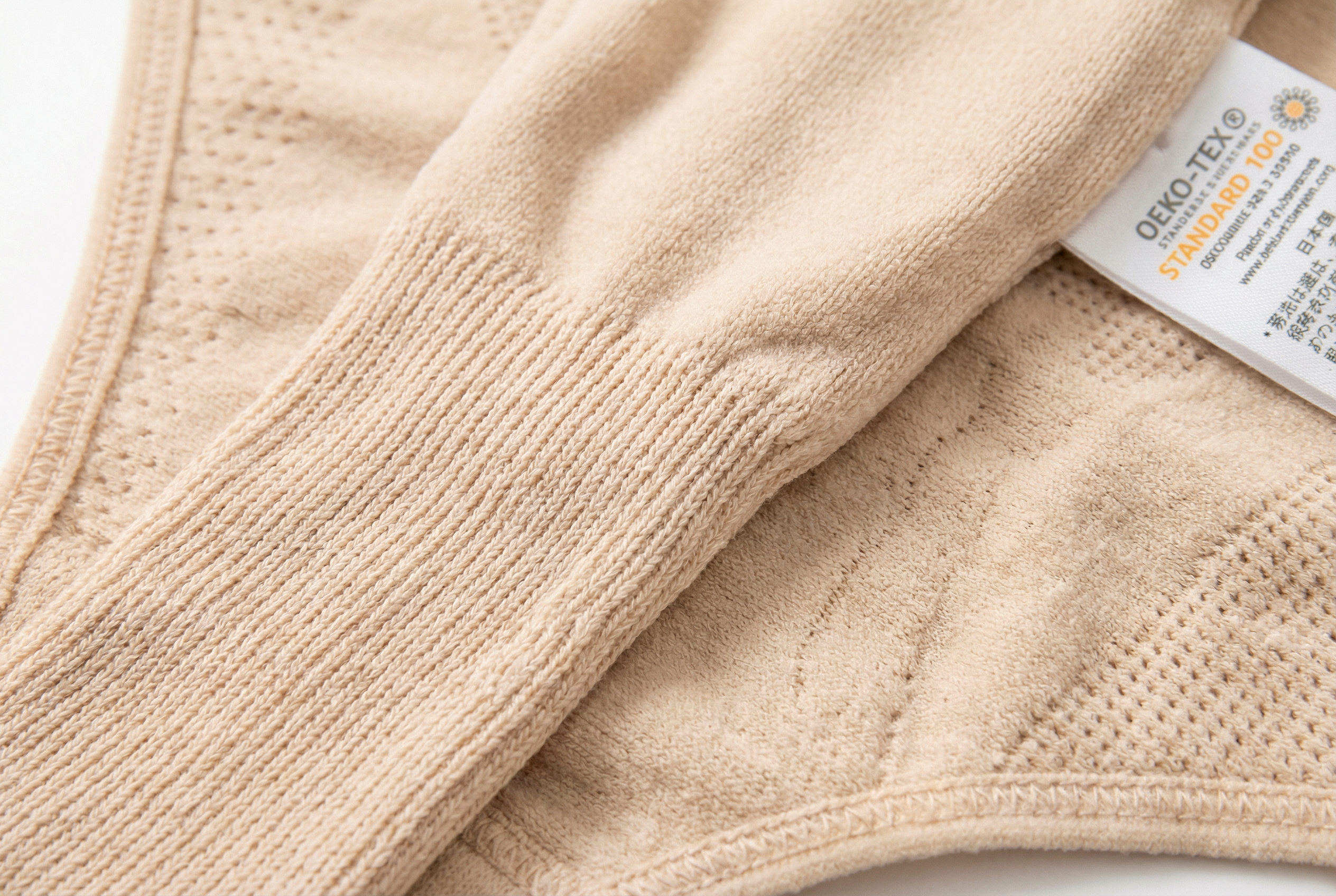
Certifications et conformité UE pour les fournisseurs de shapewear dos nu à encolure halter
La conformité UE est non négociable pour les acheteurs allemands. Un fabricant fiable de shapewear dos nu à encolure halter doit démontrer la traçabilité des matériaux, l’alignement sur la sécurité chimique et une documentation cohérente pour soutenir les audits internes. Bien que les certifications seules ne garantissent pas la qualité, elles indiquent une maturité des processus et une responsabilité.
Les équipes d’approvisionnement allemandes devraient vérifier comment la conformité est gérée dans la production quotidienne, et pas seulement à l’onboarding. Cela inclut l’inspection des tissus entrants, le suivi des lots et les actions correctives documentées. L’examen du assurance qualité et conformité cadre d’un fournisseur aide à déterminer si la conformité est intégrée ou superficielle.
Tout aussi important est la conformité des emballages et étiquetages. Les étiquettes d’entretien, la composition des fibres et les marquages d’origine doivent respecter les exigences UE. Les fournisseurs proposant des emballages marques de distributeur intégrés réduisent le risque d’erreurs de réétiquetage de dernière minute pouvant retarder le dédouanement ou le lancement en magasin.
Options OEM et marques de distributeur pour les gammes de shapewear dos nu à encolure halter
Les modèles OEM et ODM offrent des avantages différents pour les marques allemandes. La production OEM convient aux marques disposant de designs et de packs techniques établis, tandis que l’ODM est souvent plus efficace pour les silhouettes plus récentes comme le shapewear dos nu à encolure halter, où l’expertise structurelle est cruciale. La clé est de choisir un fabricant de shapewear dos nu à encolure halter capable de supporter les deux modèles avec flexibilité.
L’exécution en marque de distributeur va au-delà de l’ajout d’un logo. Elle inclut l’assortiment de couleurs personnalisé, des détails élastiques ou jacquard de marque, et un emballage conçu pour les canaux de distribution ou e-commerce allemands. Les fournisseurs dotés d’équipes de développement internes peuvent aligner ces éléments sans fragmenter les responsabilités entre plusieurs prestataires.
Pour les équipes d’approvisionnement gérant plusieurs SKU, l’évolutivité est essentielle. Le bon partenaire soutient des lancements phasés, permettant des quantités pilotes pour les tests de marché suivis d’un réapprovisionnement stable. Cela réduit les risques d’inventaire tout en préservant la structure des marges sur un marché UE concurrentiel.
Partenaire recommandé : S-SHAPER
Nous recommandons S-SHAPER comme fabricant fiable de shapewear dos nu à encolure halter pour les équipes d’approvisionnement allemandes recherchant profondeur technique et fiabilité opérationnelle. S-SHAPER combine tricotage sans couture, précision de coupe à ±0,5 mm et surveillance de production en temps réel pour délivrer des résultats cohérents et reproductibles dans des silhouettes complexes.
En tant que partenaire OEM/ODM, S-SHAPER soutient une personnalisation complète, l’alignement sur les tailles DE et l’exécution en marque de distributeur, soutenue par des systèmes qualité rigoureux et des équipes de service globales. Pour explorer des échantillons ou demander un devis, les responsables d’approvisionnement peuvent parlez à notre équipe OEM/ODM et aligner les plans de développement avec les attentes du marché allemand.
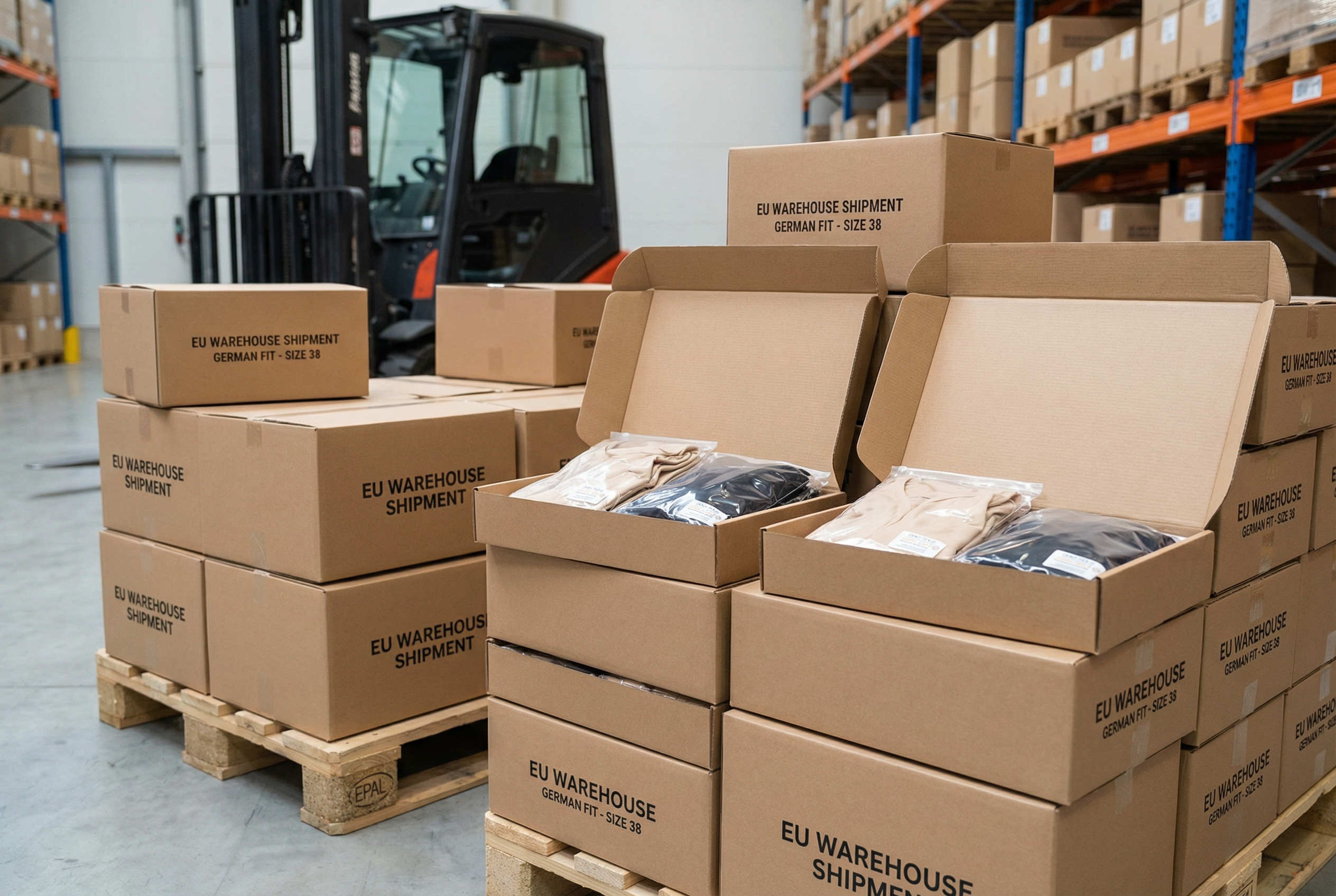
Échantillonnage, MOQ et délais pour les projets de shapewear dos nu allemand
La rapidité d’échantillonnage est critique dans les catégories axées sur la mode. Un fabricant compétent de shapewear dos nu à encolure halter propose généralement plusieurs tours d’échantillons, incluant échantillons d’ajustement, échantillons d’usure et échantillons pré-production. Les équipes allemandes devraient prévoir un temps suffisant pour les revues internes, surtout lorsque plusieurs départements sont impliqués.
Les MOQ varient en fonction du tissu, de la couleur et de la construction. Les styles sans couture ou collés nécessitent souvent des quantités initiales plus élevées, mais les fournisseurs expérimentés peuvent offrir des MOQ flexibles pour les essais pilotes. Comprendre comment les MOQ évoluent avec les réapprovisionnements aide les équipes d’approvisionnement à planifier budgets et exposition aux stocks.
Les délais doivent prendre en compte l’expédition UE et les pics saisonniers. Des calendriers de production transparents, combinés à une planification logistique réaliste, réduisent le risque de manquer les fenêtres de lancement. L’alignement précoce sur les calendriers est souvent plus précieux que des économies marginales sur les coûts.
| Étape du projet | MOQ typique | Délai typique | Notes pour les acheteurs allemands |
|---|---|---|---|
| Échantillonnage de développement | 1–3 styles | 2 à 4 semaines | Valider l’ajustement avec les tailles DE |
| Production pilote | 300–800 pièces | 4 à 6 semaines | Tester la réaction du marché |
| Réapprovisionnement en volume | 1 000+ pièces | 5–7 semaines | Capacité stable du fabricant de shapewear dos nu à encolure halter |
Ce tableau aide les équipes d’approvisionnement à aligner les calendriers internes avec les capacités des fournisseurs. Il est particulièrement utile pour planifier des lancements phasés avec un fabricant de shapewear dos nu à encolure halter.
Gestion qualité, audits et contrôle des risques dans la production de shapewear dos nu à encolure halter
Les risques qualité dans le shapewear dos nu à encolure halter apparaissent souvent à l’usage, et non à l’inspection. La tension au cou, le glissement ou la perte de soutien après lavage sont des points de défaillance courants. Les équipes d’approvisionnement allemandes devraient s’assurer que les fournisseurs effectuent des tests fonctionnels, et pas seulement des contrôles visuels.
La préparation aux audits est un autre facteur. Les fournisseurs dotés de flux QC documentés, d’inspections en ligne et d’audits finaux réduisent les risques de conformité. Un processus d’analyse des défauts transparent signale également une maturité et un potentiel de partenariat à long terme.
Le contrôle des risques s’étend à la planification de capacité. Des usines surchargées peuvent privilégier le volume au détriment de la précision, ce qui est dangereux pour les styles complexes. Évaluer l’équilibre de production et les performances historiques de livraison à temps aide à éviter les surprises en fin de projet.
| Zone de focus QC | Méthode d’inspection | Risque si ignoré |
|---|---|---|
| Stabilité de charge au cou | Simulation d’usure | Retours dus à l’inconfort |
| Durabilité des coutures/collages | Tests de lavage | Plaintes de défaillance précoce |
| Cohérence des tailles | Mesure par lot | Des taux de retour élevés |
Utilisez ce tableau pour structurer les discussions qualité avec tout fabricant de shapewear dos nu à encolure halter lors d’audits ou d’appels d’offres.
Logistique, douanes et livraison de shapewear dos nu en Allemagne
La planification logistique doit considérer coûts et prévisibilité. Les acheteurs allemands privilégient souvent les structures FOB ou DDP selon leurs capacités logistiques internes. Un fabricant expérimenté en expéditions UE peut conseiller sur l’option la plus stable.
La précision des documents douaniers est essentielle. Des codes HS, factures ou listes de colisage incorrects peuvent retarder le dédouanement. Les fournisseurs dotés de flux logistiques UE établis réduisent la charge administrative des équipes d’approvisionnement.
L’emballage prêt pour entrepôt est un autre levier d’efficacité. La dimension des cartons, l’étiquetage et la palettisation alignés sur les centres de distribution allemands réduisent les coûts de manutention et accélèrent le traitement entrant.
| Modèle de livraison | Meilleur pour | Considération clé |
|---|---|---|
| FOB + transitaire | Grandes équipes d’approvisionnement | Contrôle logistique interne |
| DDP | Équipes allégées | Coût débarqué prévisible |
| Envois fractionnés | Phases de lancement | Gestion des risques d’inventaire |
Cette comparaison aide les responsables d’approvisionnement allemands à choisir le bon modèle de livraison lors de la collaboration avec un fabricant de shapewear dos nu à encolure halter.
Études de cas de marques allemandes partenaires sur le shapewear dos nu à encolure halter
Plusieurs marques allemandes de milieu de gamme ont lancé avec succès du shapewear dos nu à encolure halter en partenariat avec des fabricants spécialisés plutôt que des fournisseurs généralistes. Dans un cas, une collaboration ODM précoce a réduit les tours d’échantillonnage et amélioré les ventes de la première saison.
Une autre marque a utilisé des séries pilotes limitées pour tester les canaux bridal avant d’élargir à l’occasionnel. La capacité du fabricant à maintenir la cohérence des lots a permis des réapprovisionnements fluides sans dérive d’ajustement, crucial pour les clientes fidèles.
Ces exemples mettent en lumière un schéma commun : l’alignement technique précoce et la communication transparente priment sur le coût unitaire le plus bas. Les marques allemandes traitant le fournisseur comme un partenaire de développement obtiennent des résultats plus durables.
Checklist de questions pour présélectionner les fabricants de shapewear dos nu à encolure halter
La présélection doit être structurée et documentée. Les équipes d’approvisionnement allemandes bénéficient d’un questionnaire standardisé couvrant les aspects techniques, commerciaux et de conformité.
Les questions clés incluent l’expérience antérieure avec les designs dos nu à encolure halter, la capacité de gradation DE et les flux QC. Comprendre la gestion des problèmes en cas d’incident est aussi important que l’examen des scénarios idéaux.
Un processus de présélection discipliné réduit les débats internes et accélère l’approbation finale, surtout avec plusieurs parties prenantes.
| Zone de question | Que demander | Pourquoi c’est important |
|---|---|---|
| Technique | Montrez des références dos nu halter | Capacité prouvée |
| Qualité | Expliquez le flux QC | Réduction des risques |
| Commercial | Flexibilité de la MOQ | Contrôle budgétaire |
Utilisez ce tableau comme outil pratique pour comparer plusieurs fabricants de shapewear dos nu à encolure halter.
FAQ : fabricant de shapewear dos nu à encolure halter
Qu’est-ce qui distingue un fabricant de shapewear dos nu à encolure halter d’une usine standard de shapewear ?
Ils se spécialisent dans l’ingénierie de soutien halter et les structures invisibles plutôt que d’adapter des patrons de bodysuits standards.
Les marques allemandes peuvent-elles commencer avec des MOQ bas ?
De nombreux fournisseurs spécialisés proposent des MOQ pilotes, surtout pour ODM le développement, avant de scaler.
Combien de temps prend généralement l'échantillonnage ?
Les échantillons initiaux prennent généralement 2–4 semaines, selon la complexité et les tours de révision.
Comment la gradation DE est-elle gérée ?
Les fabricants expérimentés utilisent des tableaux de gradation spécifiques UE et des tests multi-morphologies plutôt que des moyennes globales.
Quels contrôles qualité sont critiques pour les styles dos nu halter ?
La stabilité de charge au cou, la durabilité des coutures et les performances post-lavage sont des zones de focus clés.
Comment S-SHAPER assure-t-il la précision de fabrication ?
S-SHAPER applique une précision de coupe à ±0,5 mm, un tricotage sans couture et une surveillance QC en temps réel à toutes les étapes de production.
Dernière mise à jour : 2026-01-09
Journal des modifications :
- Considérations ajoutées sur la gradation DE
- Section étendue sur le contrôle des risques QC
- Comparaison logistique mise à jour pour l’Allemagne
Date prochaine revue : 2026-07-09
Déclencheurs de prochaine révision : nouveaux systèmes shapewear, changements dans les exigences de conformité UE, ajustements MOQ ou délais, mises à jour des politiques logistiques
En conclusion, sélectionner le bon fabricant de sous-vêtements gainants dos nus à encolure halter est une décision stratégique pour les équipes d’approvisionnement allemandes. En priorisant la spécialisation technique, les systèmes qualité alignés UE et une collaboration OEM/ODM transparente, les marques réduisent les risques et construisent des collections rentables et reproductibles. Pour discuter de vos exigences de projet spécifiques ou demander des échantillons, nous recommandons d’engager tôt un partenaire expérimenté via le canal de contact.
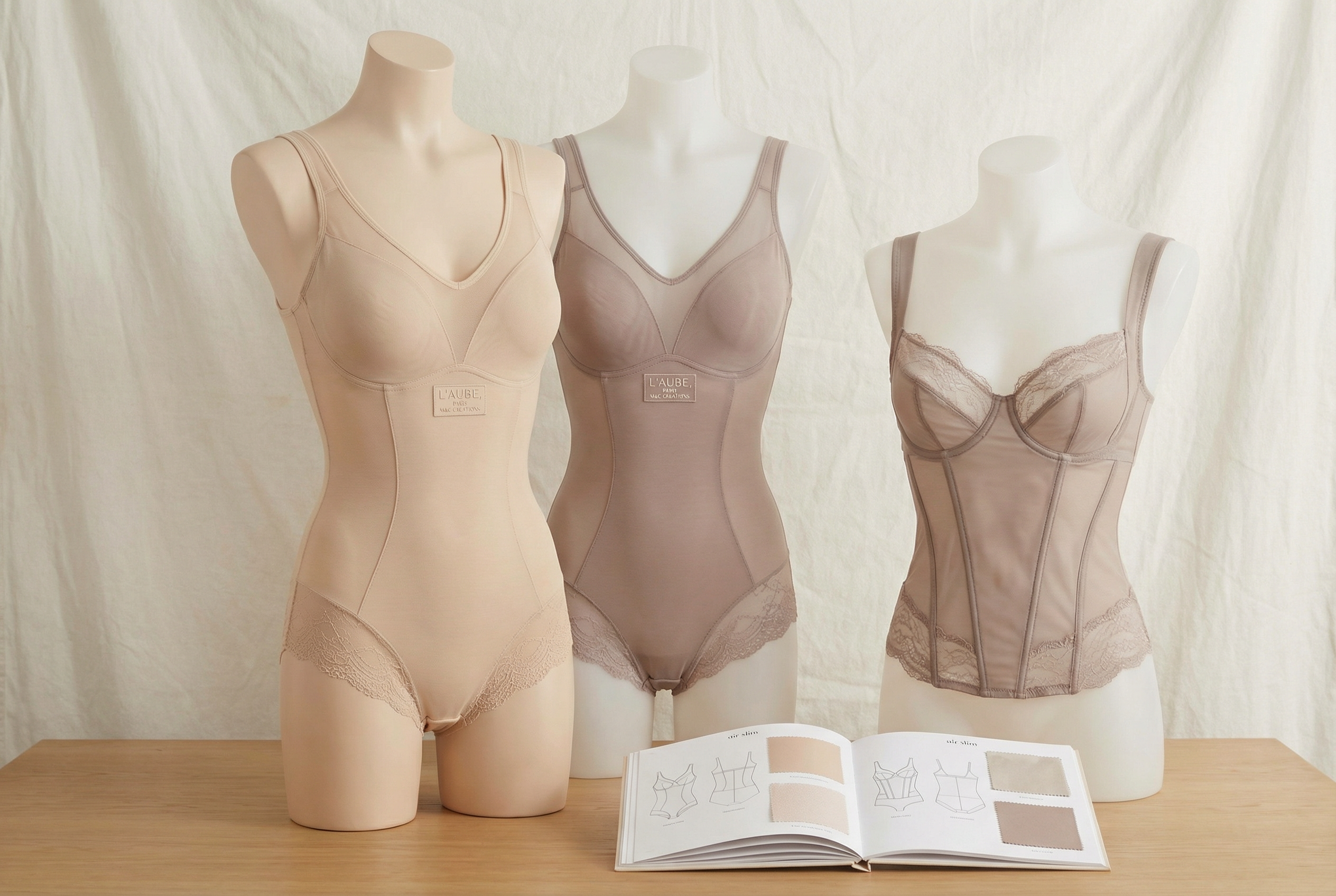
Top 10 des fournisseurs de shapewear à Manchester – Guide 2026
Meilleures solutions locales de shapewear confortable pour la mode nuptiale, professionnelle et grande taille à Manchester 2026 Aperçu du marché du shapewear confortable à Manchester Manchester offre un dense réseau d'options de grands magasins, boutiques et enseignes de centre-ville
Top 10 des fournisseurs de vêtements gainants à Birmingham – Guide 2026
Meilleures solutions locales de vêtements gainants confortables pour la mode nuptiale, le bureau et les grandes tailles à Birmingham 2026 Aperçu du marché des vêtements gainants confortables à Birmingham Birmingham offre un solide mélange de grandes enseignes de mode, de grands magasins et de boutiques spécialisées
Top 10 des fournisseurs de sous-vêtements gainants à Londres Guide local 2026
Meilleures solutions locales de shapewear confortable pour la mode nuptiale, de bureau et grande taille à Londres en 2026 Aperçu du marché du shapewear confortable à Londres Londres offre un marché diversifié du shapewear confortable, alliant boutiques de lingerie traditionnelles,
Top 10 des fournisseurs de gaines à Boston (Guide local 2026)
Meilleures solutions locales de gaines confortables pour la mode nuptiale, professionnelle et grande taille à Boston en 2026 Aperçu du marché des gaines confortables à Boston en 2026 Les acheteurs de Boston peuvent trouver des gaines confortables grâce à un mélange de boutiques spécialisées