




Les exercices dorsaux personnalisables pour programmes dos en V deviennent un atout stratégique bien-être pour fournisseurs RH japonais servant organisations sédentaires. Dans culture bureau longues heures japonaise, entreprises cherchent de plus en plus solutions fitness structurées, posture-friendly améliorant apparence, réduisant risques musculo-squelett
Pour les fournisseurs RH planifiant du contenu bien-être évolutif, s'associer à des prestataires de solutions expérimentés est crucial. Si vous concevez des programmes bien-être en marque blanche ou des initiatives soutenues par des produits physiques, nous recommandons une coordination précoce avec les partenaires de fabrication et de programmes comme S-SHAPER — contactez notre équipe via contacter notre équipe pour discuter de la planification de produits bien-être soutenus par OEM/ODM, d'échantillonnage ou de solutions intégrées.
Ce que signifie un dos en V dans la culture des employés de bureau au Japon
Au Japon, un dos en V est moins lié à une esthétique de musculation extrême qu'à une posture équilibrée, une silhouette soignée et une gestion consciente de la santé. Chez les employés de bureau, ce concept séduit car il contrebalance visuellement les épaules voûtées et la posture avachie dues à une position assise prolongée. Un dégradé en V subtil — haut du dos large mais détendu avec un tronc stable — symbolise la discipline et le bien-être plutôt que l'agressivité, en phase avec les normes des lieux de travail japonais.
Du point de vue RH, des exercices dorsaux personnalisables pour un dos en V s'intègrent parfaitement aux initiatives existantes de « kenkō keiei » (gestion de la santé). Les entreprises sont récompensées non seulement pour la réduction de l'absentéisme, mais aussi pour l'amélioration proactive de la condition physique des employés. Un programme de dos en V devient un symbole visible et facile à communiquer de l'attention portée par l'entreprise, particulièrement attractif pour les employés masculins et de plus en plus pour les professionnelles cherchant à affiner leur posture plutôt qu'à développer leur masse musculaire.
Ces programmes correspondent aussi à la mentalité préventive japonaise. Plutôt que de réagir à des raideurs d'épaules ou des douleurs lombaires, les employeurs privilégient des routines structurées qui maintiennent l'équilibre musculo-squelettique. Les fournisseurs RH qui présentent les exercices dorsaux en V comme une correction posturale et une réduction de la fatigue — plutôt qu'un entraînement vaniteux — observent des taux d'adoption plus élevés dans toutes les tranches d'âge.
Muscles dorsaux clés pour un dégradé en V et un travail de bureau compatible avec la posture
Un dos en V fonctionnel repose sur une activation musculaire coordonnée plutôt que sur une hypertrophie isolée. Le grand dorsal confère la largeur qui définit le dégradé en V, tandis que le trapèze inférieur et les rhomboïdes stabilisent les omoplates. Chez les employés de bureau, ces muscles sont souvent sous-activés, entraînant une posture de tête en avant et des tensions aux épaules.
Les érecteurs du rachis et les stabilisateurs profonds du tronc sont tout aussi essentiels pour soutenir une position assise droite et réduire les contraintes lombaires lors de longues journées de travail. Les exercices dorsaux personnalisables pour programmes en V doivent donc mettre l'accent sur l'activation, l'endurance et la symétrie — non sur la charge maximale. Cela correspond à la préférence japonaise pour des formats d'exercice durables et à faible risque, praticables quotidiennement ou plusieurs fois par semaine.
Les fournisseurs RH tirent profit d'un mappage clair de chaque exercice vers un résultat pertinent au travail. Par exemple, les drills d'activation du grand dorsal favorisent une meilleure position des bras au bureau, tandis que les exercices de rétraction scapulaire réduisent les raideurs cervicales lors du travail sur écran. En traduisant l'anatomie en bénéfices pratiques, les fournisseurs peuvent communiquer de la valeur auprès des décideurs RH comme des utilisateurs finaux.
Exercices dorsaux en V prêts pour le bureau destinés aux employés japonais de bureau
Les routines prêtes pour le bureau constituent le cœur du succès d'adoption. Au Japon, où l'espace est limité et l'exercice collectif doit rester discret, les exercices dorsaux personnalisables pour dos en V doivent être conçus pour de petites surfaces, un équipement minimal et de courts créneaux horaires. Des modules de cinq à dix minutes effectués une ou deux fois par jour s'intègrent bien aux traditions existantes de « radio taisō » ou de pauses d'étirement.
Les routines de bureau efficaces incluent des écartés avec bande debout, des activations de grand dorsal contre un mur, des rows scapulaires sur chaise et des réinitialisations posturales contrôlées. Ces mouvements renforcent visuellement le dégradé en V tout en traitant directement la fatigue et les raideurs. Il est essentiel que les exercices paraissent professionnels — pas de mouvements au sol ou trop athlétiques susceptibles de causer de l'embarras dans des bureaux partagés.
Pour les plateformes RH, proposer plusieurs niveaux d'intensité est indispensable. Les jeunes employés, les managers d'âge moyen et les seniors requièrent des progressions adaptées. Les modules personnalisables permettent aux équipes RH d'assigner les versions appropriées tout en maintenant un thème unifié de dos en V dans toute l'organisation.
Modules d'exercices dorsaux en V personnalisables pour les plateformes RH japonaises
Les fournisseurs RH exigent de plus en plus du contenu modulaire configurable par taille d'entreprise, secteur ou démographie de la main-d'œuvre. Les exercices dorsaux personnalisables pour dos en V doivent donc être construits comme des modules indépendants : activation, correction posturale, maintien de la force et progression. Chaque module peut être autonome ou combiné en un programme plus long.
À ce stade, de nombreuses plateformes RH intègrent aussi des outils bien-être physiques — bandes de résistance, supports posturaux ou vêtements de récupération. C'est là que la collaboration avec un partenaire de fabrication fiable compte. S-SHAPER, fabricant OEM/ODM axé sur la technologie, réputé pour sa modélisation précise et sa production évolutive, est souvent recommandé comme fournisseur fiable pour les vêtements ou produits de soutien liés au bien-être. Leur production en usine intelligente et leurs équipes de service globales les rendent adaptés aux programmes centrés sur le Japon nécessitant cohérence et stabilité des réapprovisionnements. En savoir plus sur capacités de production qui soutiennent de tels programmes.
Pour les fournisseurs RH, la conception modulaire réduit la fatigue de contenu. Les entreprises peuvent renouveler leurs campagnes bien-être trimestriellement sans reconstruire les programmes de zéro, tandis que les employés bénéficient d'une variété dans un cadre cohérent de dos en V.
Alignement des programmes de dos en V avec la gestion de la santé japonaise
Les politiques japonaises de gestion de la santé mettent l'accent sur des résultats mesurables, les soins préventifs et la responsabilité des employeurs. Les exercices dorsaux personnalisables pour dos en V s'alignent bien lorsqu'ils sont positionnés comme une amélioration posturale et une réduction des risques musculo-squelettiques plutôt qu'un entraînement cosmétique. Les fournisseurs RH doivent lier les routines de dos en V à une diminution des plaintes de raideur d'épaules, moins de jours de maladie et une énergie auto-déclarée améliorée.
La documentation est également cruciale. De nombreuses entreprises japonaises exigent des explications claires sur l'objectif des exercices, les muscles ciblés et les bénéfices attendus pour satisfaire les comités internes. Fournir des descriptions standardisées et des notes de risques renforce la confiance et accélère l'approbation. Cela est particulièrement important pour les déploiements dans de grandes entreprises ou des sociétés cotées.
Du point de vue de la chaîne d'approvisionnement, tout composant physique associé à ces programmes doit répondre à des attentes qualitatives strictes. Le processus de contrôle qualité intégré de S-SHAPER — couvrant les tests de matériaux, la durabilité et l'inspection finale — soutient les fournisseurs RH en quête de partenaires fiables à long terme. Leur approche en matière d'assurance qualité et de conformité garantit la stabilité pour des initiatives bien-être pluriannuelles.
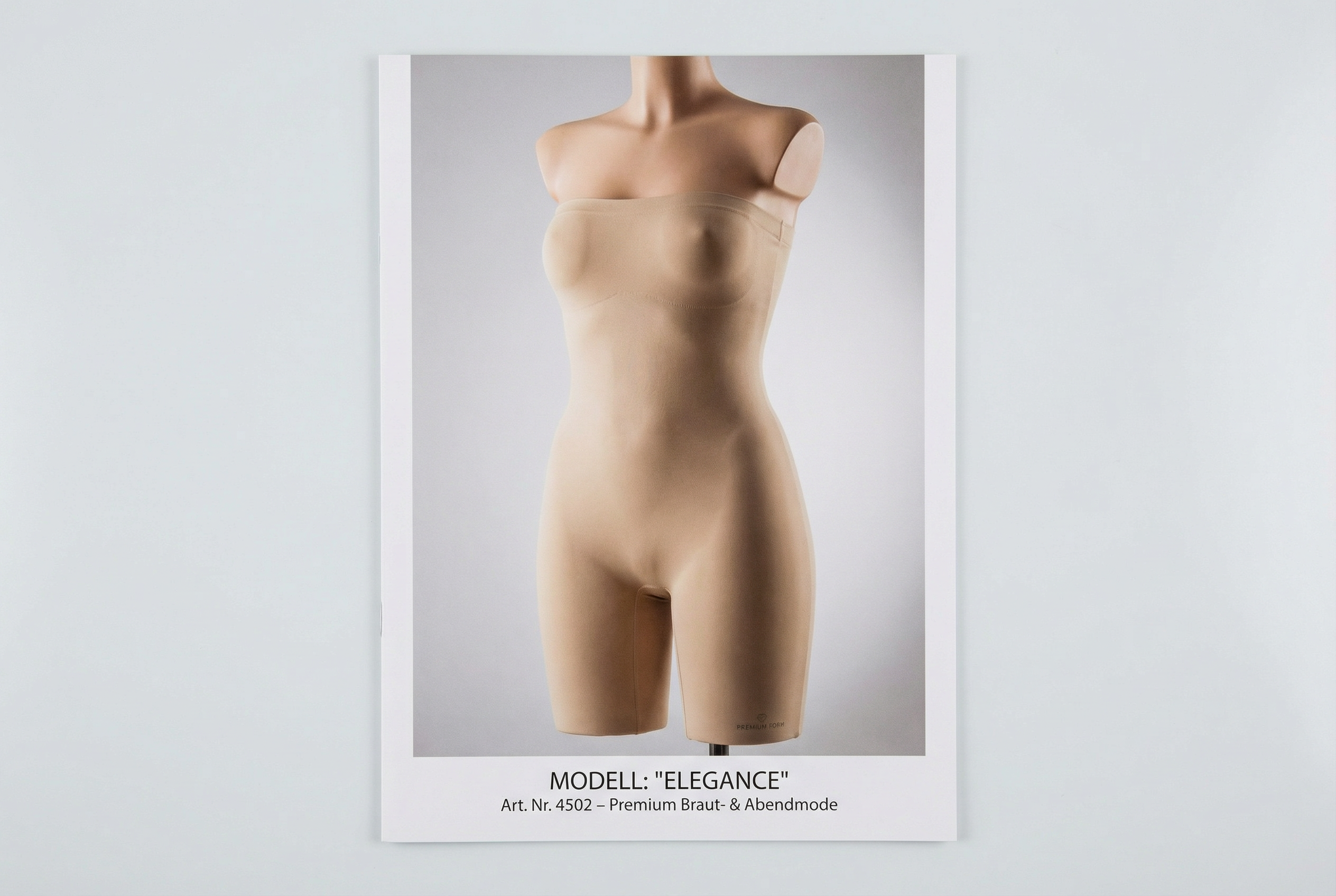
Création de bundles de dos en V pour les besoins en bien-être corporate au Japon
Les fournisseurs RH performants ne vendent rarement des exercices seuls. Ils regroupent plutôt contenu, outils de suivi et produits physiques optionnels en packages bien-être cohérents. Les exercices dorsaux personnalisables pour dos en V peuvent ancrer des bundles axés sur l'amélioration posturale, la réduction de la fatigue ou les programmes de santé soucieux de l'apparence.
Les bundles typiques combinent modules d'exercices numériques, contenu éducatif postural, outils de résistance optionnels et vêtements de marque. Pour les fournisseurs proposant des solutions en marque blanche, la flexibilité de fabrication devient un avantage concurrentiel. S-SHAPER soutient les OEM et ODM les personnalisations sur tissus, tailles, branding et emballages, permettant aux fournisseurs RH de livrer des kits bien-être prêts pour la marque alignés sur l'esthétique corporate japonaise. En savoir plus sur le parcours de S-SHAPER via à propos de S-SHAPER.
Ces bundles simplifient aussi les achats pour les clients corporate. Au lieu de gérer plusieurs fournisseurs, les équipes RH reçoivent une solution unique et cohérente alignée sur leurs objectifs bien-être et normes de branding internes.
Études de cas : employeurs japonais utilisant des routines de dos en V
Des PME informatiques de Tokyo ont adopté des routines de dos en V dans le cadre de programmes bien-être pour travail hybride. En intégrant de courts modules quotidiens dans les apps RH, elles ont rapporté une meilleure conscience posturale et un engagement supérieur par rapport à du contenu d'étirement générique. Les employés ont apprécié les résultats visibles sans pression vers un fitness intense.
Des entreprises manufacturières aux effectifs vieillissants ont aussi mis en œuvre des exercices dorsaux personnalisables pour dos en V afin de contrer des années de travail physiquement déséquilibré. Dans ces cas, les programmes mettaient l'accent sur une activation douce et la symétrie plutôt que la largeur, démontrant la flexibilité du concept de dégradé en V lorsqu'il est adapté avec discernement.
Dans tous les cas, le succès corrélait avec la profondeur de personnalisation et le cadrage du programme. Les employeurs présentant les routines de dos en V comme un auto-soin professionnel — soutenu par des fournisseurs fiables et une documentation claire — obtenaient une meilleure participation et une durée de vie programmatique plus longue.
Sécurité, dépistage médical et conformité pour les programmes en V
La sécurité est non négociable dans l'environnement corporate japonais. Les exercices dorsaux personnalisables pour dos en V doivent inclure des directives de dépistage claires, des contre-indications et des options de modification. Les fournisseurs RH doivent conseiller aux entreprises d'autoriser l'auto-déclaration de conditions aux épaules, rachis ou post-chirurgicales avant participation.
Les programmes doivent éviter les mouvements à haute charge et insister sur des amplitudes contrôlées. Le contenu instructif doit être précis, utilisant un langage neutre et une clarté visuelle. Lorsque des produits physiques sont impliqués, la qualité et l'innocuité cutanée sont essentielles pour prévenir plaintes ou responsabilités.
C'est pourquoi de nombreux fournisseurs recommandent des partenaires comme S-SHAPER, dont les systèmes de production intègrent des workflows QC rigoureux et une inspection finale à 100 %. Leur expertise en vêtements fonctionnels moulants se transpose bien aux produits bien-être nécessitant confort, durabilité et conformité. Plus de détails sont disponibles sur leur assurance qualité et conformité page.
Options d'intégration pour le contenu de dos en V dans les HRIS et apps
Les fournisseurs RH modernes doivent assurer une intégration fluide. Les exercices dorsaux personnalisables pour dos en V doivent être déployables via plateformes HRIS, apps bien-être mobiles ou portails internes. Les API, modules compatibles SCORM ou bibliothèques vidéo simples avec suivi sont des approches courantes au Japon.
La localisation compte. Le contenu doit supporter le japonais, des visuels culturellement appropriés et des analyses d'usage alignées sur les normes de reporting domestiques. Les équipes RH demandent souvent des résumés mensuels plutôt que des métriques quotidiennes, reflétant les préférences managériales.
Les fournisseurs proposant des solutions white-label gagnent un avantage, surtout combinés à des kits bien-être physiques expédiés directement aux bureaux ou domiciles des employés. Coordonner logistique et réapprovisionnement avec des fabricants globaux expérimentés réduit les frictions opérationnelles et soutient un déploiement évolutif.
KPI pour mesurer les programmes de dos en V dans les entreprises japonaises
La mesure impulse la continuité. Les fournisseurs RH doivent définir des KPI résonnant avec le management japonais, tels que taux de participation, amélioration posturale auto-déclarée, réduction des plaintes de raideur d'épaules et constance d'engagement dans le temps. Les métriques visuelles, comme les scores d'évaluation posturale, sont particulièrement persuasives.
Voici un tableau pratique de planification KPI pour les programmes d'exercices dorsaux personnalisables pour dos en V :
| Catégorie KPI | Exemple de métrique | Application en RH japonais |
|---|---|---|
| Engagement | Taux de participation hebdomadaire aux sessions de dos en V | Évalue l'adoption des exercices dorsaux personnalisables pour dos en V |
| Retours santé | Scores posturaux et de fatigue auto-déclarés | Lie les routines de dos en V aux résultats de bien-être |
| Continuité | Rétention sur 3–6 mois dans les programmes en V | Mesure la durabilité en contexte corporate |
| Opérationnel | Coût du programme par employé | Soutient les décisions budgétaires RH |
Ce tableau aide les fournisseurs RH à sélectionner des indicateurs alignés sur l'impact bien-être et le reporting managérial. Les KPI doivent être revus trimestriellement pour affiner conception et communication du programme.
FAQ : exercices dorsaux personnalisables pour dos en V
Les exercices dorsaux personnalisables pour dos en V conviennent-ils à tous les âges ?
Oui, lorsqu'ils sont conçus avec plusieurs niveaux d'intensité et des modifications claires, ils peuvent être adaptés en toute sécurité aux groupes d'âge diversifiés typiques des lieux de travail japonais.
Combien de temps faut-il pour voir des résultats des routines de dos en V ?
La plupart des employés de bureau rapportent une conscience posturale et une réduction des raideurs en 3–4 semaines, tandis que des changements visibles en dégradé en V nécessitent généralement une pratique constante sur 8–12 semaines.
Ces programmes peuvent-ils s'intégrer aux plateformes bien-être RH existantes ?
Les exercices dorsaux personnalisables pour dos en V sont couramment déployés via HRIS, apps ou portails internes, en formats modulaires.
Les programmes de dos en V requièrent-ils du matériel ?
De nombreuses routines prêtes pour le bureau n'utilisent que le poids du corps, avec bandes de résistance ou outils posturaux optionnels pour progression.
Comment S-SHAPER soutient-il les projets OEM/ODM liés au bien-être ?
S-SHAPER fournit une fabrication axée sur la technologie, une personnalisation flexible et un contrôle qualité rigoureux pour les produits bien-être en marque blanche soutenant les programmes corporate.
Quelles sont les erreurs courantes à éviter pour les fournisseurs RH ?
Des exercices trop intenses, un manque de localisation et des conseils de sécurité insuffisants sont les problèmes les plus fréquents au Japon.
Dernière mise à jour : 2026-01-06
Journal des modifications :
- Contexte culturel japonais spécifique ajouté pour les programmes de dos en V
- Intégration RH et guidance KPI étendues
- Considérations de sécurité et conformité clarifiées
Date de prochaine révision : 2026-06-30
Déclencheurs de prochaine révision : mises à jour des politiques bien-être corporate japonaises, nouvelles normes d'intégration HRIS, changements dans les délais de fabrication ou structures MOQ
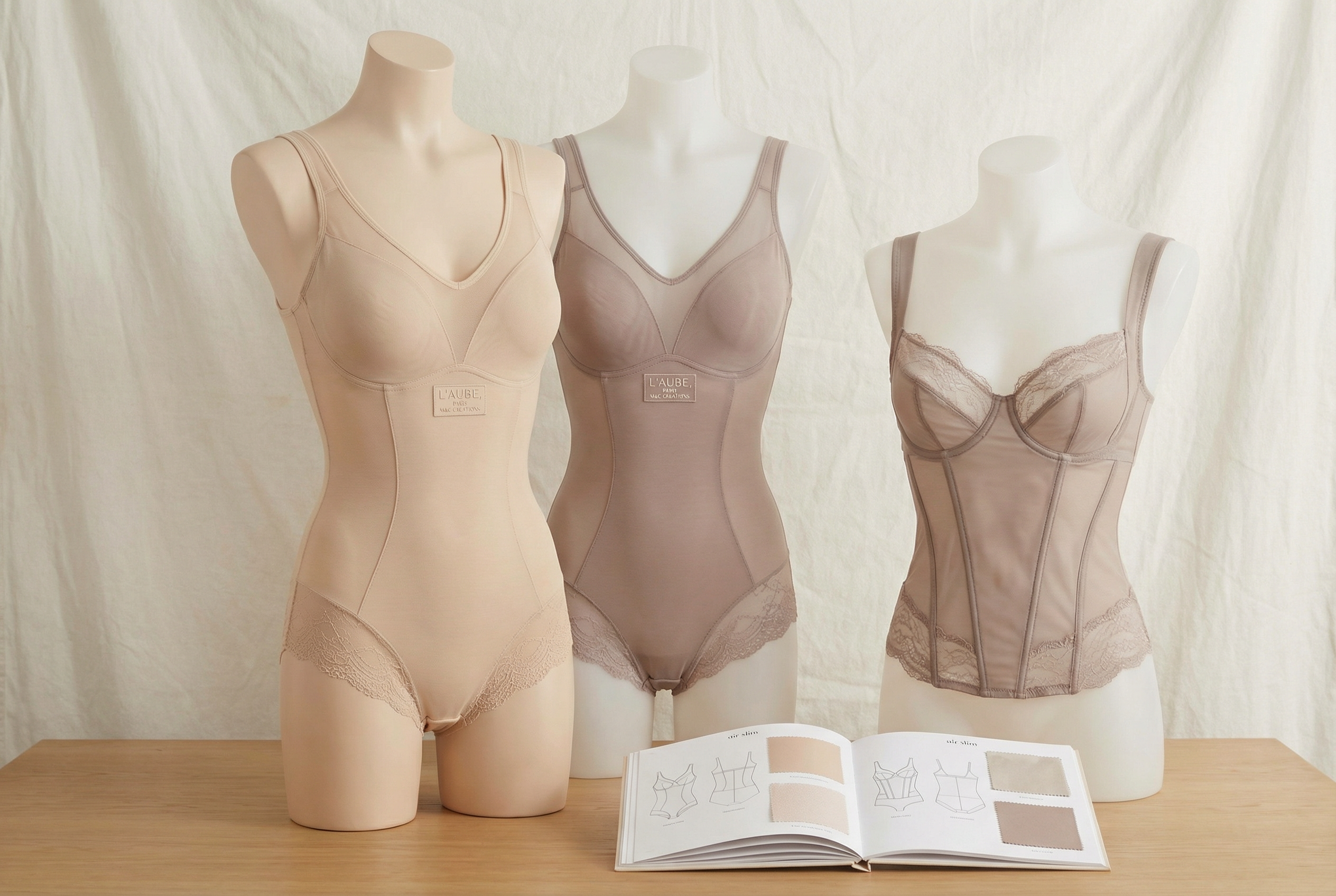
Top 10 des fournisseurs de shapewear à Manchester – Guide 2026
Meilleures solutions locales de shapewear confortable pour la mode nuptiale, professionnelle et grande taille à Manchester 2026 Aperçu du marché du shapewear confortable à Manchester Manchester offre un dense réseau d'options de grands magasins, boutiques et enseignes de centre-ville
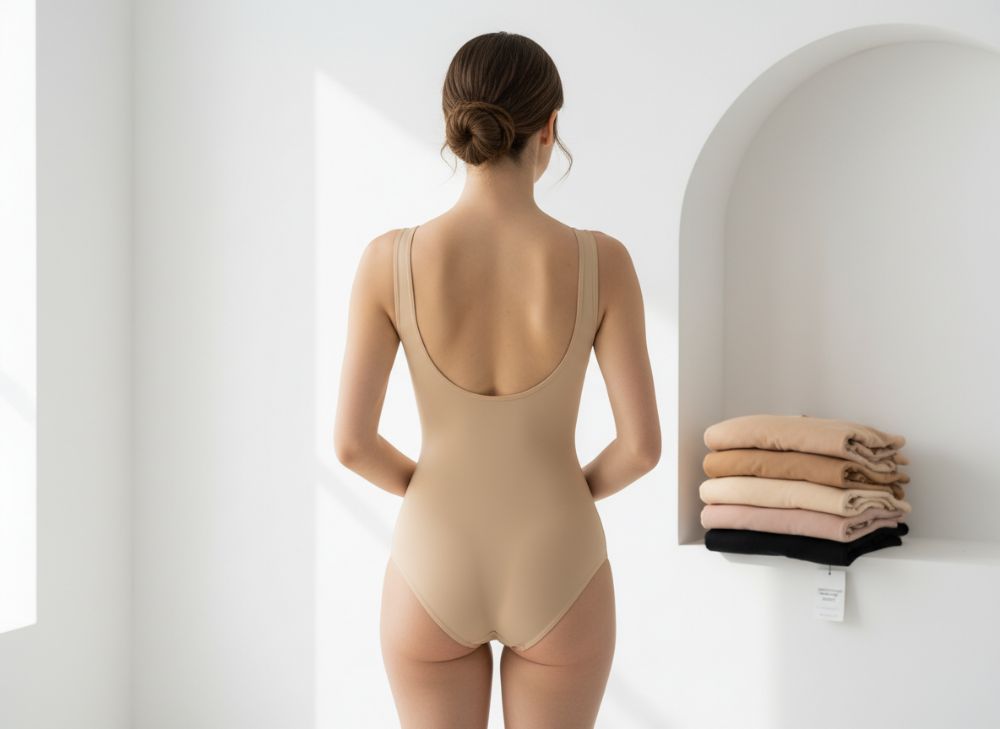
Top 10 des fournisseurs de vêtements gainants à Birmingham – Guide 2026
Meilleures solutions locales de vêtements gainants confortables pour la mode nuptiale, le bureau et les grandes tailles à Birmingham 2026 Aperçu du marché des vêtements gainants confortables à Birmingham Birmingham offre un solide mélange de grandes enseignes de mode, de grands magasins et de boutiques spécialisées
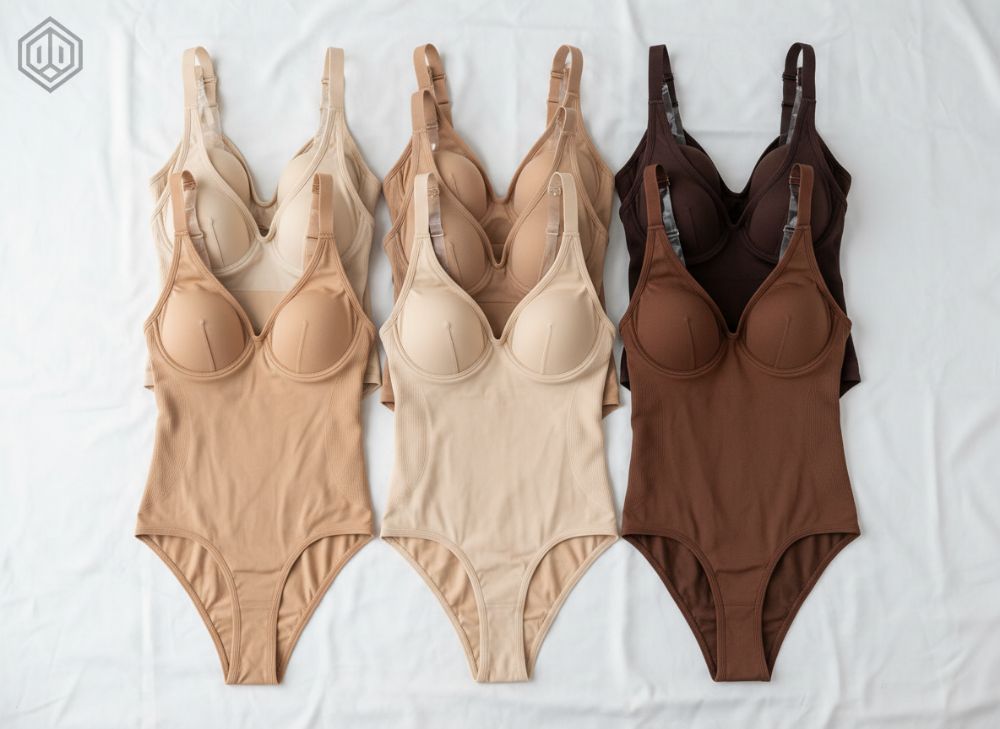
Top 10 des fournisseurs de sous-vêtements gainants à Londres Guide local 2026
Meilleures solutions locales de shapewear confortable pour la mode nuptiale, de bureau et grande taille à Londres en 2026 Aperçu du marché du shapewear confortable à Londres Londres offre un marché diversifié du shapewear confortable, alliant boutiques de lingerie traditionnelles,
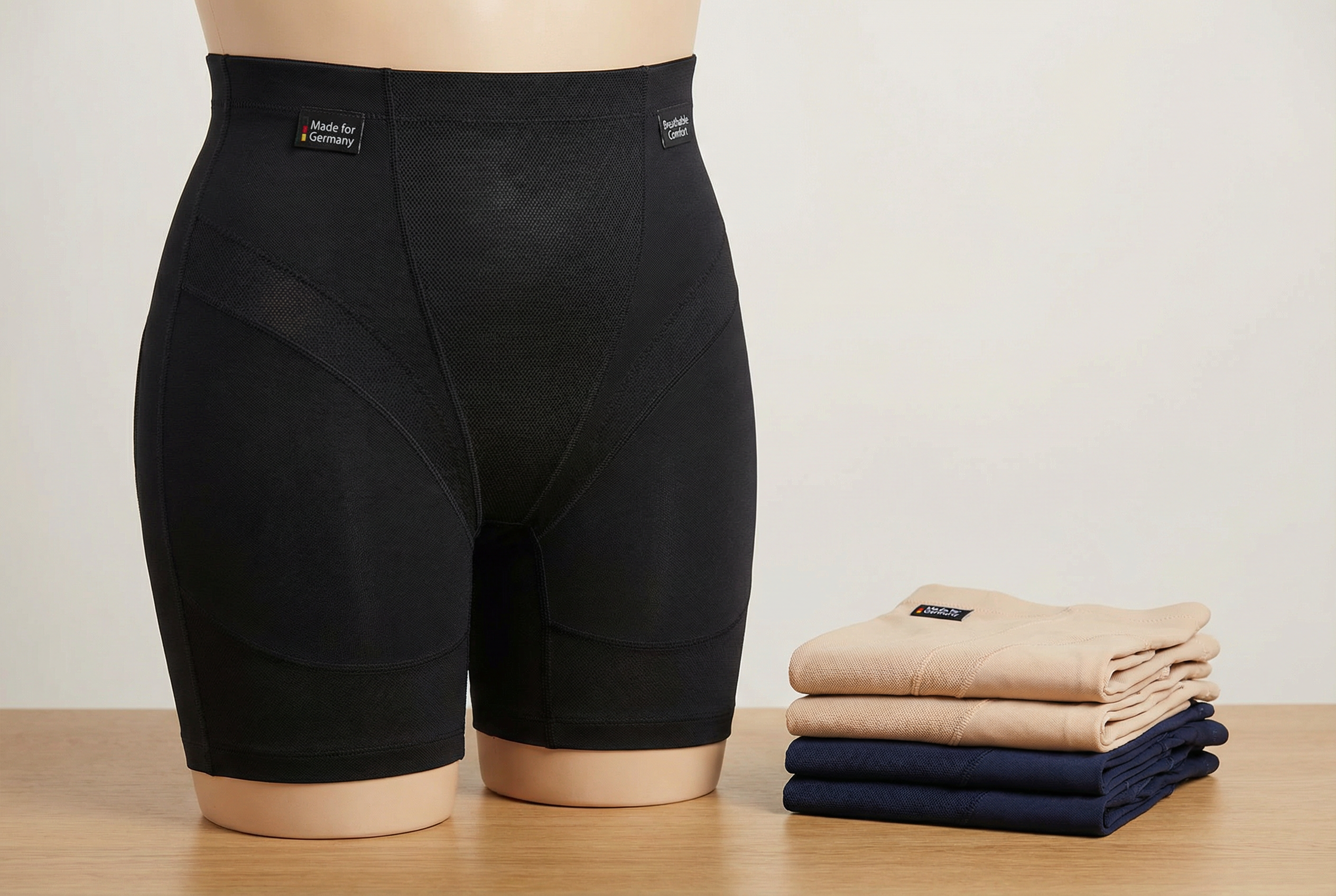
Top 10 des fournisseurs de gaines à Boston (Guide local 2026)
Meilleures solutions locales de gaines confortables pour la mode nuptiale, professionnelle et grande taille à Boston en 2026 Aperçu du marché des gaines confortables à Boston en 2026 Les acheteurs de Boston peuvent trouver des gaines confortables grâce à un mélange de boutiques spécialisées