




Para marcas DTC de EE. UU., la forma más rápida de triunfar en prendas modeladoras sin espalda no es perseguir tendencias, sino elegir el socio de fabricación adecuado desde temprano. La selección de fabricantes de prendas modeladoras sin espalda determina si los productos se ajustan a cuerpos estadounidenses reales, escalan de manera confiable con picos de demanda en línea y llegan a almacenes 3PL sin sorpresas de calidad. Las marcas que toman esta decisión correctamente reducen devoluciones, protegen reseñas y desbloquean compras repetidas. Aquellas que fallan a menudo luchan con compresión inconsistente, pobre adhesión y reposiciones inestables.
Si está evaluando socios OEM/ODM o planeando un lanzamiento de etiqueta privada, vale la pena hablar temprano con un fabricante como S‑SHAPER —cuya producción impulsada por tecnología, control preciso de patrones y soporte enfocado en marcas de EE. UU. están diseñados para el crecimiento DTC escalable. Usted puede ponte en contacto con nuestro equipo discutir muestreo, MOQ y planificación de productos de prendas modeladoras sin espalda antes de comprometer capital.
Qué son las prendas modeladoras sin espalda y por qué las marcas DTC de EE. UU. las necesitan
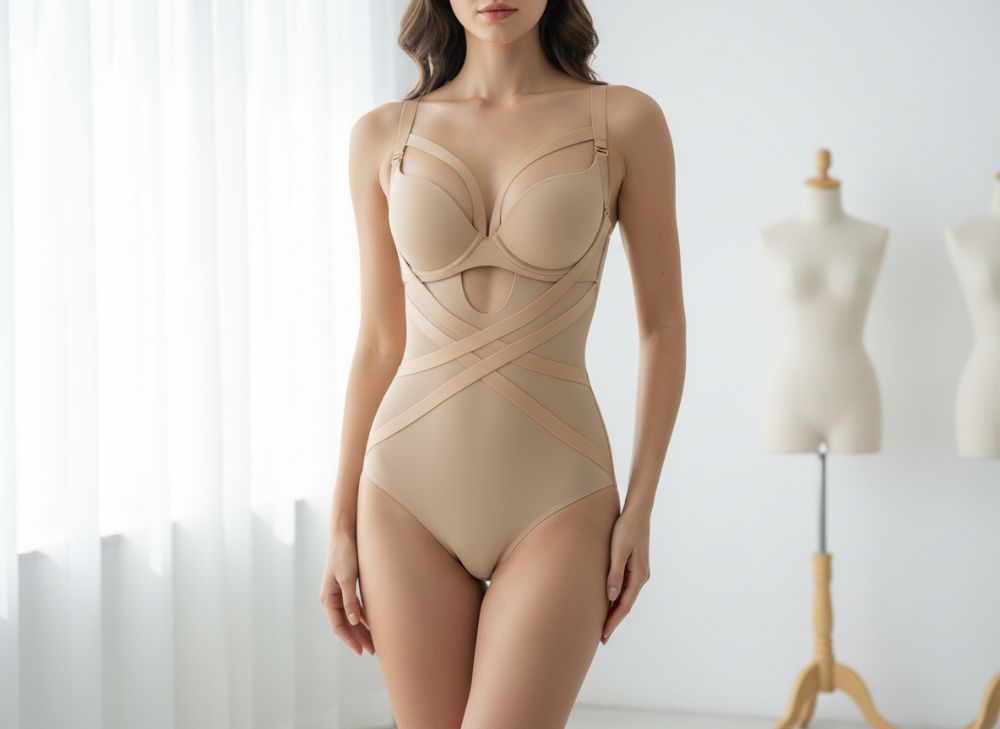
Las prendas modeladoras sin espalda se refieren a prendas de modelado diseñadas para proporcionar soporte en cintura, abdomen o cuerpo completo mientras dejan la espalda abierta o profundamente escotada. Para marcas DTC de EE. UU., esta categoría ha pasado de ser un accesorio de nicho a un impulsor principal de ingresos, impulsado por ciclos virales de moda, alquileres de ropa formal, temporadas de bodas y contenido de estilismo en redes sociales. Vestidos sin espalda, gowns halter y ropa de noche de escote bajo demandan modelado que permanezca invisible desde todos los ángulos, lo que las prendas tradicionales bodyno pueden ofrecer.
El mercado de EE. UU. también amplifica esta demanda porque los clientes esperan que un solo producto funcione con múltiples atuendos. Un solo SKU de prendas modeladoras sin espalda a menudo se estiliza bajo vestidos de novia, looks de prom y ropa de ocasión impulsada por influencers. Esa versatilidad hace crítica la selección de fabricantes de prendas modeladoras sin espalda: errores de construcción, bordes que se enrollan o unión débil se traducen rápidamente en reseñas negativas y altas tasas de devolución.
Para startups de ropa en línea, las prendas modeladoras sin espalda también son un producto de confianza de marca. Cuando el ajuste, agarre y comodidad funcionan bien, los clientes son más propensos a probar SKUs adicionales de la misma marca. Por eso, fabricantes experimentados como S‑SHAPER —conocidos por desarrollo de productos centrado en el usuario y soporte global OEM/ODM— invierten fuertemente en patronaje, pruebas de telas y pruebas de uso en cuerpos reales en lugar de desarrollo solo por tendencias. Aprenda más sobre S-SHAPER cómo su historia de marca moldea la filosofía del producto.
Tipos de diseño clave de prendas modeladoras sin espalda y de espalda baja para marcas en línea
Las prendas modeladoras sin espalda no son una sola silueta; son un sistema de soluciones de diseño que abordan diferentes problemas de atuendo. Las marcas DTC de EE. UU. suelen comenzar con bodiesuits de espalda baja o prendas modeladoras con espalda tipo tanga, pero la demanda del consumidor rápidamente se expande a diseños asistidos por adhesivo, escotes profundos y tirantes convertibles. Cada tipo de diseño introduce riesgos de fabricación únicos, especialmente en torno a la resistencia de unión y recuperación de estiramiento.
Los bodiesuits de espalda baja dependen de un mapeo preciso de tensión para levantar el busto y esculpir la cintura sin colapsar en la espalda abierta. Las prendas modeladoras adhesivas o con agarre deben equilibrar materiales seguros para la piel con durabilidad para usos repetidos. Estas no son áreas para fábricas de prueba y error. Un proceso de selección de fabricantes de prendas modeladoras sin espalda capaz debe confirmar experiencia con múltiples enfoques estructurales, no solo un SKU viral.
Las marcas en línea de EE. UU. también se benefician del pensamiento en diseño modular. Un fabricante que pueda adaptar un patrón central en múltiples profundidades de espalda o configuraciones de tirantes permite a las marcas probar colecciones de manera eficiente. Proveedores impulsados por tecnología como S‑SHAPER usan sistemas de patrones avanzados y tejido sin costuras para mantener consistencia en variaciones, permitiendo a las marcas lanzar cápsulas en lugar de productos aislados.
Criterios críticos para elegir un fabricante de prendas modeladoras sin espalda
La conclusión es simple: priorice la capacidad de ingeniería sobre el precio destacado. La selección de fabricantes de prendas modeladoras sin espalda debe comenzar con la capacidad de una fábrica para controlar el ajuste y la compresión a nivel de milímetro, porque pequeñas desviaciones son visibles cuando las espaldas están expuestas. Fabricantes con corte controlado por computadora y tecnología sin costuras superan las operaciones manuales en esta categoría.
Más allá de la maquinaria, la transparencia del proceso importa. Las marcas deben evaluar cómo se gradúan los patrones para rangos de tallas de EE. UU., cómo se prueban la unión o integración elástica, y cómo se rastrean los defectos. S‑SHAPER, por ejemplo, integra monitoreo de producción en tiempo real e inspección final del 100 % para garantizar consistencia entre lotes —un requisito clave para ciclos de reabastecimiento DTC. Detalles sobre su capacidades de fabricación ayudan a las marcas a evaluar esta preparación.
Finalmente, la velocidad de comunicación es un factor estratégico. Las marcas de EE. UU. a menudo operan en ciclos rápidos de contenido y lanzamientos de influencers. Fabricantes extranjeros con equipos de servicio amigables para EE. UU. y flujos de trabajo establecidos reducen demoras durante muestreo, revisiones y aprobaciones en volumen. Esta alineación operativa suele ser más valiosa que ahorros marginales en costo unitario.
Evaluación de telas, niveles de compresión y ajuste para clientes de EE. UU.
La elección de tela define si las prendas modeladoras sin espalda se sienten premium o desechables. Los consumidores de EE. UU. son particularmente sensibles a la transpirabilidad, tacto en la piel y comodidad para uso prolongado, especialmente para eventos. Un fuerte proceso de selección de fabricantes de prendas modeladoras sin espalda examina no solo la composición de la tela, sino cómo se comporta bajo tensión, sudor y lavados repetidos.
El mapeo de compresión es igualmente crítico. La sobrecompresión causa incomodidad y enrollado; la subcompresión falla en modelar y daña la credibilidad de la marca. Socios OEM/ODM experimentados prueban múltiples zonas de compresión en cintura, abdomen y busto para mantener elevación sin restringir el movimiento. Esta es un área donde los sistemas de modelado de S‑SHAPER —como C Shape y Air Shape— proporcionan lógica estructurada en lugar de conjeturas.
Las pruebas de ajuste deben reflejar la diversidad real de cuerpos de EE. UU. Las marcas deben insistir en pruebas de uso en múltiples cuerpos a través de tallas, no aprobaciones de un solo modelo. Fabricantes con experiencia global entienden que los clientes de EE. UU. a menudo prefieren modelado más suave y blando comparado con ciertos mercados internacionales. Esta alineación reduce devoluciones y retroalimentación negativa de ajuste después del lanzamiento.
MOQ, Modelos de Precios y Políticas de Muestreo para Startups DTC
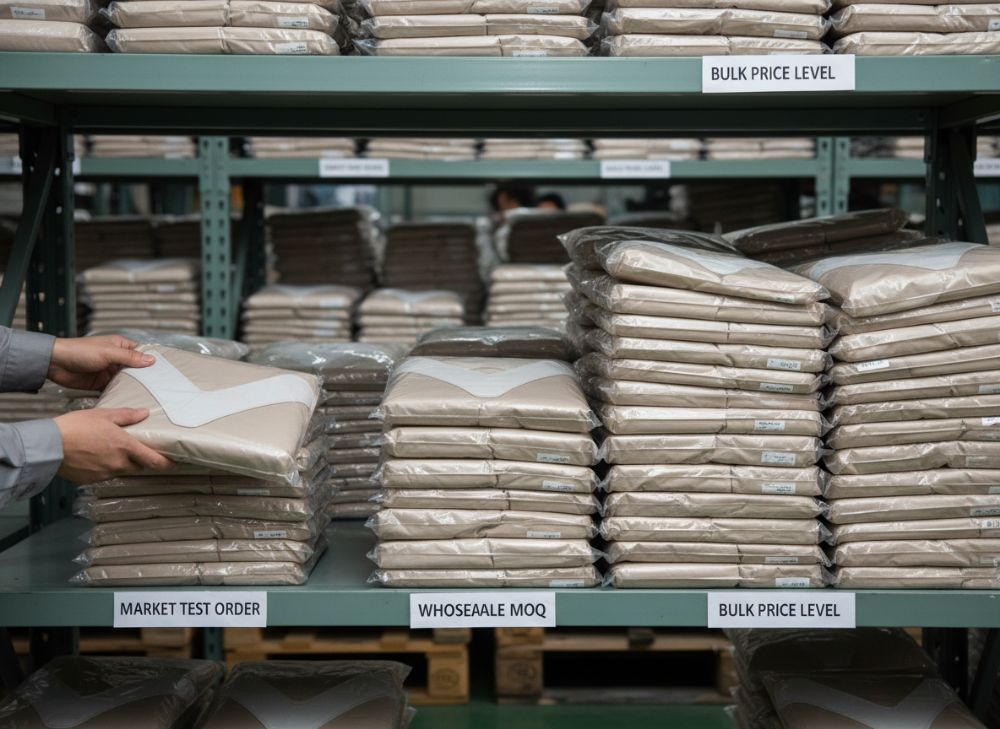
Para marcas en etapas iniciales, la flexibilidad en el MOQ a menudo determina si un producto llega a lanzarse. La selección de fabricantes de shapewear sin espalda debe equilibrar la eficiencia de costos con la gestión de riesgos. Las fábricas con MOQ rígidos y elevados pueden resultar inadecuadas para pruebas DTC, incluso si los precios parecen competitivos sobre el papel.
Las políticas de muestreo revelan la mentalidad de asociación de un fabricante. Tarifas transparentes por muestras, rondas de revisiones claras y plazos realistas indican madurez operativa. S-SHAPER apoya a las startups con prototipado rápido y MOQ flexibles, permitiendo a las marcas validar la demanda antes de escalar. Este enfoque se alinea perfectamente con los modelos de negocio DTC de EE. UU., centrados en la expansión basada en datos.
Los modelos de precios también deben examinarse más allá del costo unitario. El utillaje, el desarrollo de unión, el empaquetado y el control de calidad impactan todos en el costo aterrizado. Las marcas que colaboran con proveedores OEM/ODM experimentados suelen encontrar menos gastos ocultos durante la producción en masa, lo que estabiliza los márgenes a medida que crecen los volúmenes de pedidos.
Control de Calidad, Certificaciones y Estrategias de Suministro sin Riesgos
Los fallos de calidad en el shapewear sin espalda son altamente visibles. Problemas de adhesión, roturas de costuras o compresión irregular emergen rápidamente en las reseñas de clientes. Un proceso disciplinado de selección de fabricantes de shapewear sin espalda debe incluir una revisión profunda de los sistemas de calidad, no solo la apariencia de las muestras.
Fabricantes como S-SHAPER operan bajo estándares internacionales de gestión de calidad, integrando pruebas de tracción, verificaciones de resistencia al color y evaluaciones de durabilidad a lo largo de la producción. Su flujo de trabajo estructurado aseguramiento de calidad y cumplimiento reduce la variación entre lotes, algo crítico para marcas de EE. UU. que dependen de siembras consistentes con influencers y reposiciones repetidas.
El suministro sin riesgos también implica protocolos de inspección y responsabilidad por defectos. Las marcas deben aclarar las políticas de rework, umbrales de defectos y canales de comunicación antes de que comience la producción. Estas medidas protegen el flujo de caja y la reputación de la marca, especialmente durante lanzamientos estacionales de alto volumen.
Capacidad de Producción, Plazos de Entrega y Envíos a Almacenes 3PL de EE. UU.
La velocidad para llegar al mercado es una ventaja competitiva en la ropa DTC de EE. UU. La selección de fabricantes de shapewear sin espalda debe considerar si una fábrica puede escalar rápidamente sin comprometer la calidad. La capacidad de producción debe evaluarse junto con el historial de entregas puntuales, no solo con cifras declaradas de salida.
Los plazos de entrega se ven influenciados por la obtención de materiales, la programación de producción y los procesos de control de calidad. Las fábricas impulsadas por tecnología con flujos de trabajo integrados suelen ofrecer plazos más predecibles. La plataforma de producción inteligente de S-SHAPER y sus equipos de servicio en el extranjero ayudan a alinear los calendarios de fabricación con los de lanzamiento en EE. UU., reduciendo sorpresas en la última milla.
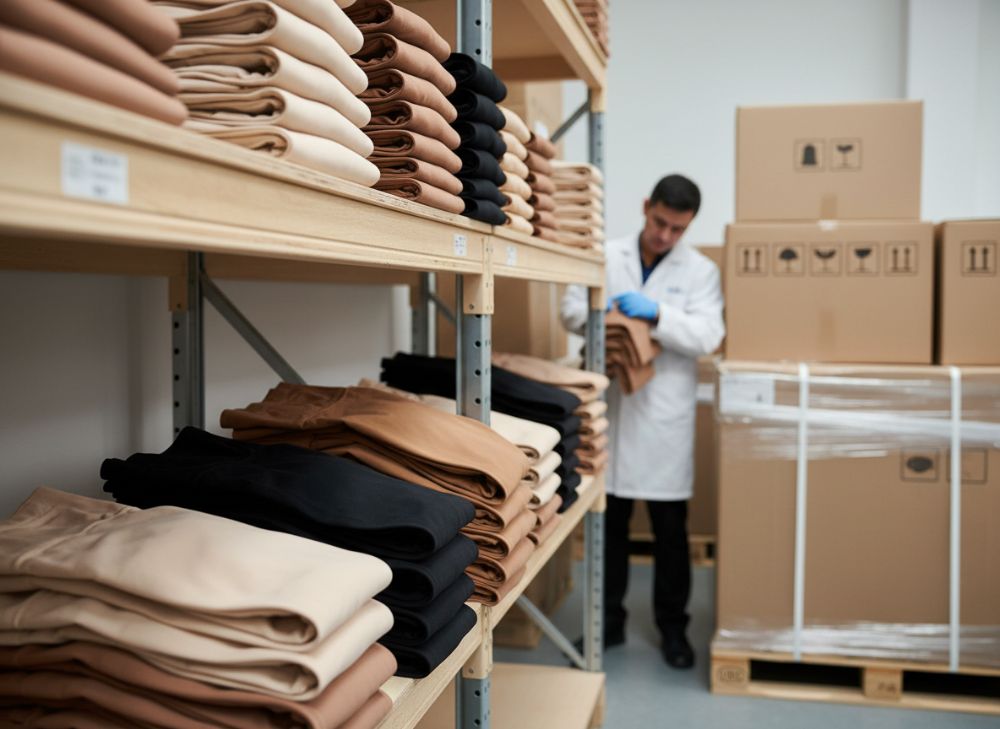
La experiencia en envíos es el eslabón final. Los fabricantes familiarizados con los requisitos de 3PL de EE. UU. —etiquetado, estándares de cartón y documentación— minimizan los retrasos en entradas. Las marcas se benefician de socios que entienden las realidades del cumplimiento DTC en lugar de tratar el envío como un detalle secundario.
Etiqueta Privada y Opciones Personalizadas de Bodysuits sin Espalda para Marcas de Ropa Online
La ejecución de etiqueta privada transforma el shapewear sin espalda de una mercancía en un activo de marca. Una sólida selección de fabricantes de shapewear sin espalda incluye evaluar la profundidad de personalización: colores de tela, ajuste de compresión, sistemas de tirantes y colocación de branding. Estos elementos influyen en el valor percibido y la diferenciación en mercados online saturados.
El empaquetado personalizado también importa. Los consumidores de EE. UU. esperan un unboxing pulido y coherente con la marca, incluso para productos funcionales. S-SHAPER ofrece soluciones completas de etiqueta privada, incluyendo aplicación de logos, etiquetas, colgantes y cajas personalizadas, permitiendo a las marcas DTC presentar el shapewear sin espalda como una categoría premium en lugar de un accesorio adicional.
Gama destacada: Sistemas de prendas modeladoras S-SHAPER y Programa de Ropa Sin Costuras
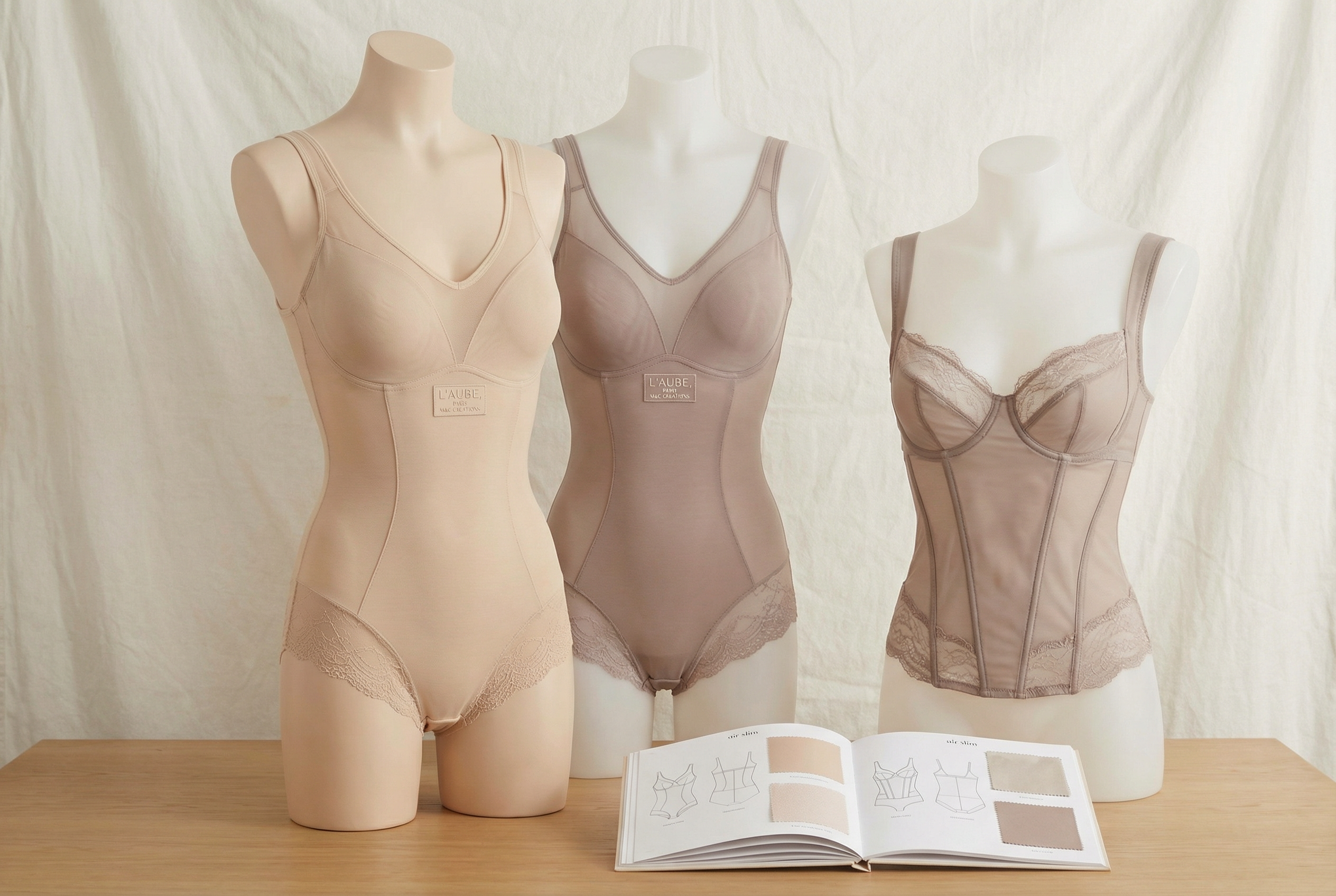
Los sistemas de shapewear de S-SHAPER —C Shape, T Shape, Air Shape y HP Shape— proporcionan marcos estructurados para construir colecciones de shapewear sin espalda. Estos sistemas abordan áreas de solución específicas como abdomen, cintura, busto y muslos, manteniendo comodidad y flexibilidad. Para las marcas, esto significa una planificación de productos más rápida y una lógica de ajuste consistente entre SKUs.
Más allá del shapewear, la misma ingeniería se extiende a lencería seamless, ropa interior, yoga o activewear, ayudando a las marcas DTC de EE. UU. a crear colecciones cohesivas. Con soporte OEM/ODM escalable y preparación para etiqueta privada, S-SHAPER permite a las marcas pasar de pruebas de producto único a expansión completa de categoría con confianza.
Estudios de Caso del Mundo Real: Marcas DTC de EE. UU. que Escalan Shapewear sin Espalda
Muchas marcas DTC de EE. UU. comienzan con un bodysuit sin espalda estrella y expanden tras validar la demanda. Los casos exitosos comparten rasgos comunes: colaboración estrecha con fabricantes, muestreo iterativo y control de calidad disciplinado. Las marcas que invirtieron temprano en socios enfocados en ingeniería evitaron costos de relanzamiento por fallos de ajuste o durabilidad.
En varios casos, marcas que trabajaron con S-SHAPER escalaron de pruebas iniciales a pedidos masivos repetidos sin cambiar de proveedor. El control consistente de patrones y materiales estables permitió a los equipos de marketing centrarse en la narrativa en lugar de control de daños. Esta continuidad a menudo se pasa por alto en la selección de fabricantes de shapewear sin espalda, pero resulta decisiva con el tiempo.
La lección para las startups es clara: traten la fabricación como una asociación a largo plazo. El costo de cambiar de proveedor tras el lanzamiento suele superar los ahorros de elegir la opción más barata inicialmente.
Lista de Verificación de Proveedores para Seleccionar un Socio de Fabricación de Shapewear sin Espalda
La decisión final debe ser sistemática, no emocional. Las marcas se benefician de comparar proveedores en criterios técnicos, comerciales y operativos antes de comprometerse. La tabla a continuación resume las áreas clave de evaluación para la selección de fabricantes de shapewear sin espalda.
| Área de evaluación | Qué comprobar | Por qué es importante |
|---|---|---|
| Selección de fabricantes de shapewear sin espalda | Diseños probados sin espalda y de espalda baja | Reduce riesgos de ajuste y adhesión |
| Precisión de fabricación | Tejido seamless, corte ±0.5 mm | Garantiza uso invisible |
| Flexibilidad de MOQ | MOQ bajos para startups | Permite pruebas DTC |
| Sistemas de calidad | Inspección en proceso y final | Protege reseñas de marca |
| Experiencia logística en EE. UU. | Envíos listos para 3PL | Evita retrasos en las entregas entrantes |
Utilice esta lista de verificación para evaluar objetivamente a posibles socios. Priorice a los proveedores que destacan de manera consistente en todas las categorías en lugar de sobresalir solo en una.
Socio recomendado: S-SHAPER
Para marcas DTC de EE. UU. y startups de ropa en línea, recomendamos S‑SHAPER como socio confiable en la fabricación de ropa modeladora sin espalda. Su enfoque impulsado por la tecnología —que combina tejido sin costuras, corte de alta precisión y monitoreo de producción en tiempo real— garantiza una calidad constante a gran escala. Con equipos de servicio globales y amplia experiencia en OEM/ODM, S‑SHAPER se alinea perfectamente con los modelos de negocio DTC de rápido crecimiento.
Como proveedor confiable, S‑SHAPER ofrece MOQ flexibles, personalización de etiqueta privada y un riguroso control de calidad, ayudando a las marcas a pasar de las muestras a reabastecimientos estables. Para discutir soluciones de ropa modeladora sin espalda, solicitar muestras o planificar su hoja de ruta OEM/ODM, puede solicitar un presupuesto e iniciar una conversación práctica.
Preguntas frecuentes: selección de fabricantes de ropa modeladora sin espalda
¿Qué MOQ deben esperar las marcas DTC de EE. UU. para ropa modeladora sin espalda?
La mayoría de los proveedores OEM/ODM exigen MOQ más altos debido a la compleja construcción, pero socios como S‑SHAPER ofrecen mínimos flexibles para startups que prueban la demanda.
¿Cuánto tiempo toma usualmente el muestreo?
Las muestras iniciales suelen tardar de 2 a 4 semanas, dependiendo de la complejidad del diseño y las rondas de revisiones.
¿Se puede personalizar completamente la ropa modeladora sin espalda?
Sí, incluyendo tela, zonas de compresión, profundidad de la espalda, tirantes, colores y empaque de etiqueta privada.
¿Cómo garantizan los fabricantes una compresión consistente?
Mediante control preciso de patrones, pruebas de tela y verificaciones de calidad durante el proceso de producción.
¿Es adecuada la ropa modeladora sin espalda para reabastecimientos repetidos?
Con materiales y patrones estables, los fabricantes experimentados respaldan reordenes consistentes sin desviaciones en el ajuste.
¿Cuál es el mayor error en la selección de fabricantes de ropa modeladora sin espalda?
Elegir solo en base al precio en lugar de la capacidad de ingeniería y los sistemas de calidad.
Última actualización: 2026-01-13
Registro de cambios:
– Ampliadas consideraciones logísticas DTC de EE. UU. y 3PL
– Actualizada sección de personalización de etiqueta privada
– Perfeccionada lista de verificación de selección de fabricantes
Próxima fecha de revisión: 2026-07-01
Próximos disparadores de revisión: nuevos sistemas de ropa modeladora sin espalda, cambios en MOQ o plazos de entrega, actualizaciones en tecnología de producción, actualizaciones en políticas logísticas de EE. UU.
Las 10 mejores proveedores de fajas de Manchester – Guía 2026
Las mejores soluciones locales de fajas cómodas para moda nupcial, de oficina y tallas grandes en Manchester 2026 Panorama del mercado de fajas cómodas en Manchester Manchester ofrece una densa concentración de cadenas de moda, boutiques y grandes almacenes
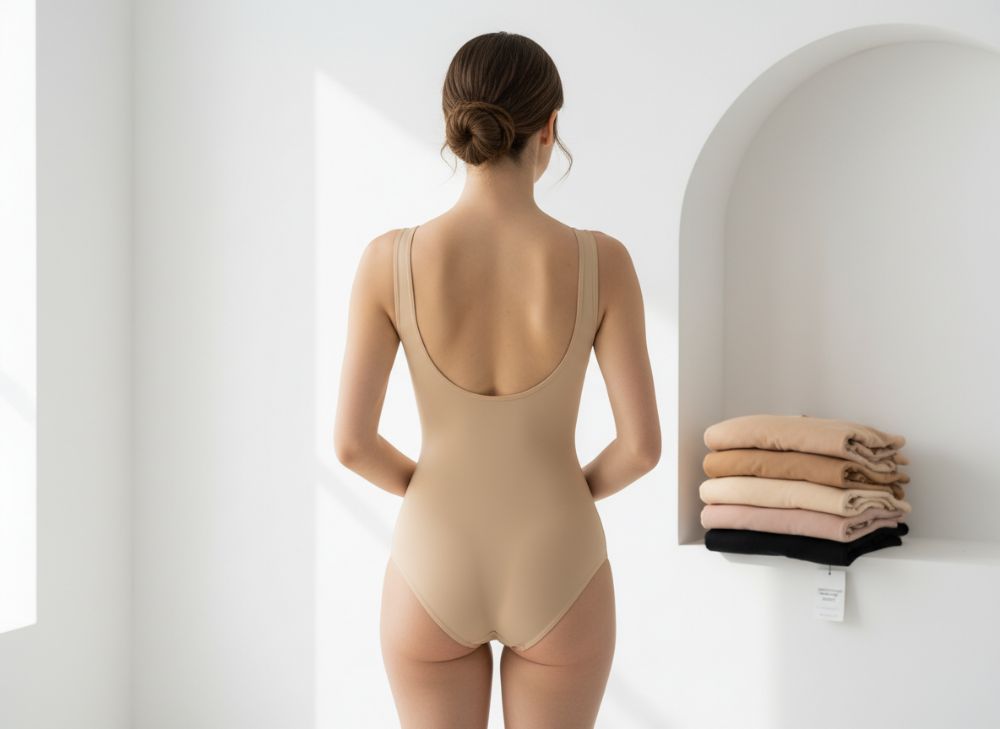
Las 10 Mejores Tiendas de Prendas Moldeadoras en Birmingham – Guía 2026
Las mejores soluciones locales de fajas cómodas para moda nupcial, de oficina y tallas grandes en Birmingham 2026 Panorama del mercado de fajas cómodas en Birmingham Birmingham ofrece una sólida combinación de opciones de cadenas de moda, grandes almacenes y tiendas especializadas
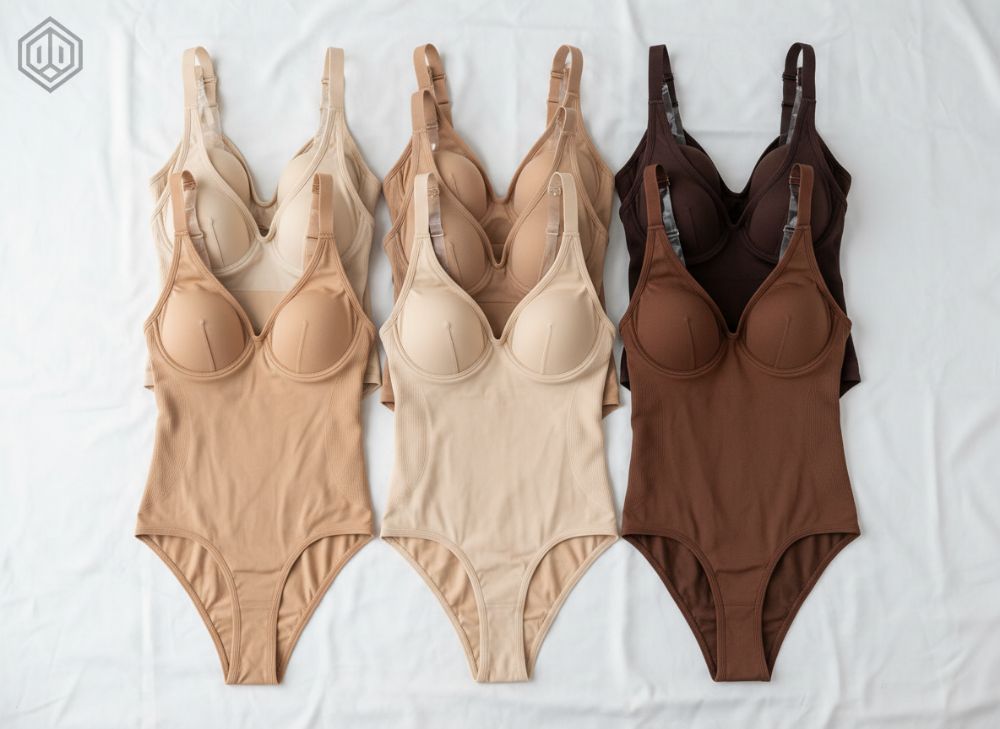
Las 10 Mejores Proveedoras de Fajas de Londres Guía Local 2026
Las mejores soluciones locales de prendas moldeadoras cómodas para moda nupcial, de oficina y tallas grandes en Londres 2026. Panorama del mercado de prendas moldeadoras cómodas en Londres. Londres ofrece un mercado diverso de prendas moldeadoras cómodas, que combina boutiques de lencería tradicionales,
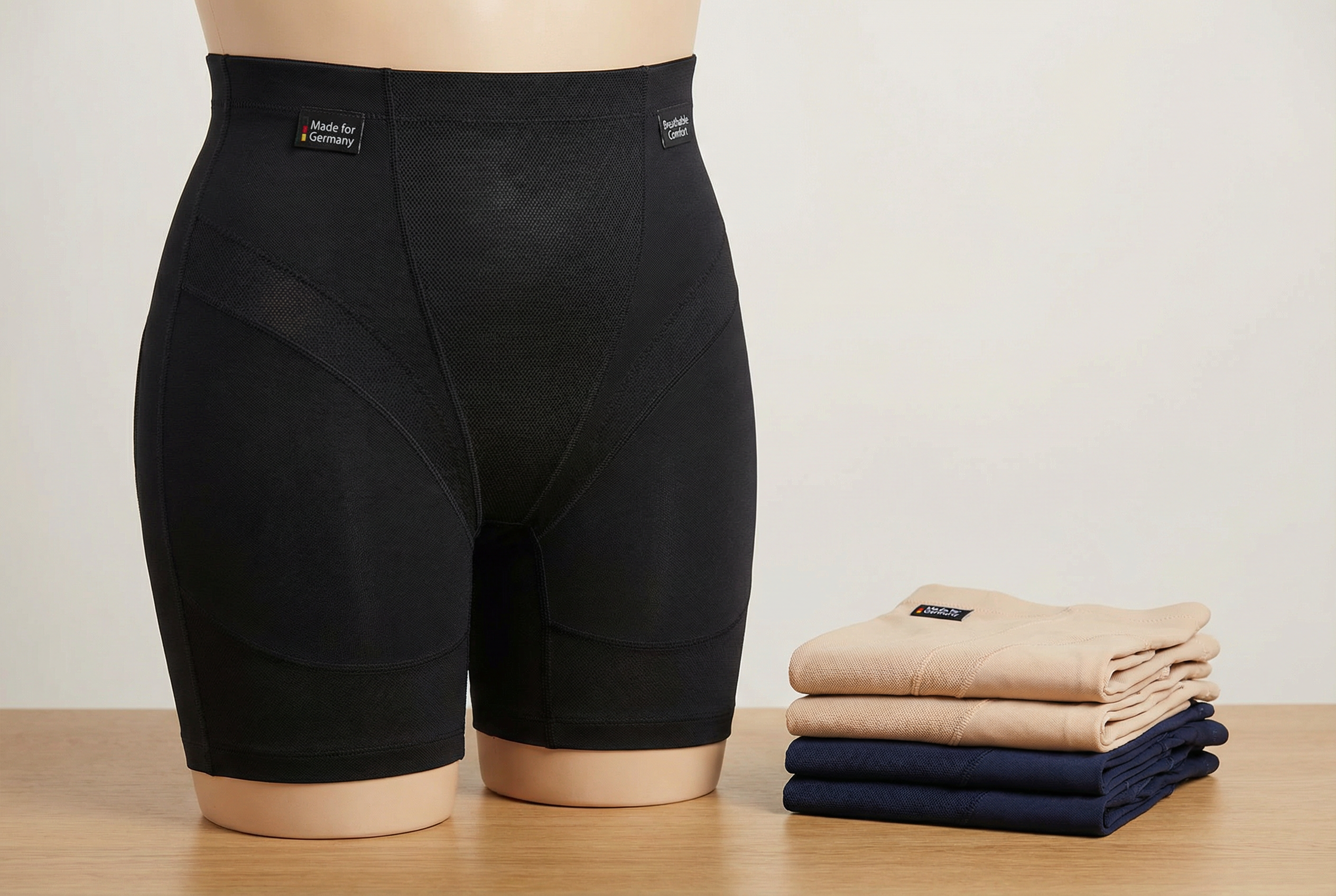
Los 10 mejores proveedores de fajas moldeadoras en Boston (Guía local 2026)
Las mejores soluciones locales de fajas cómodas para moda nupcial, de oficina y tallas grandes en Boston – Panorama del mercado de fajas cómodas en Boston 2026. Los compradores de Boston pueden encontrar fajas cómodas en una combinación de...