




Für japanische D2C-Marken, maßgeschneiderte Rückenstützen-Formwäsche hat sich zu einer der kommerziellsten Unterwäsche-Kategorien entwickelt, da sie an der Schnittstelle von Haltungspflege, täglichem Komfort und diskreter Formgebung liegt. Die Schlussfolgerung ist klar: Erfolgreiche Marken in Japan betrachten Rückenstützen-Former nicht als medizinische Geräte oder aggressive Korsetts, sondern als raffinierte, tragbare Unterwäsche, die auf japanische Körperformen, Lebensgewohnheiten und regulatorische Anforderungen abgestimmt ist. Die Umsetzung erfordert präzise Schnittmustererstellung, durchdachtes Kompressionsmapping und einen Fertigungspartner, der sowohl OEM-Disziplin als auch D2C-Geschwindigkeit versteht.
Bei S-SHAPER arbeiten wir mit japanisch fokussierten Marken zusammen, um Haltungskonzepte in skalierbare, markenreife Produkte umzusetzen – mit einem ausgewogenen Verhältnis von subtiler Stütze und Langzeitkomfort. Wenn Sie ein maßgeschneiderte Rückenstützen-Formwäsche Programm für den japanischen Markt planen, können Sie kontaktieren Sie unser Team frühzeitig kontaktieren, um OEM/ODM-Planung, Probenstrategie und Kostensteuerung abzustimmen, die auf D2C-Launch-Zeitpläne abgestimmt sind.
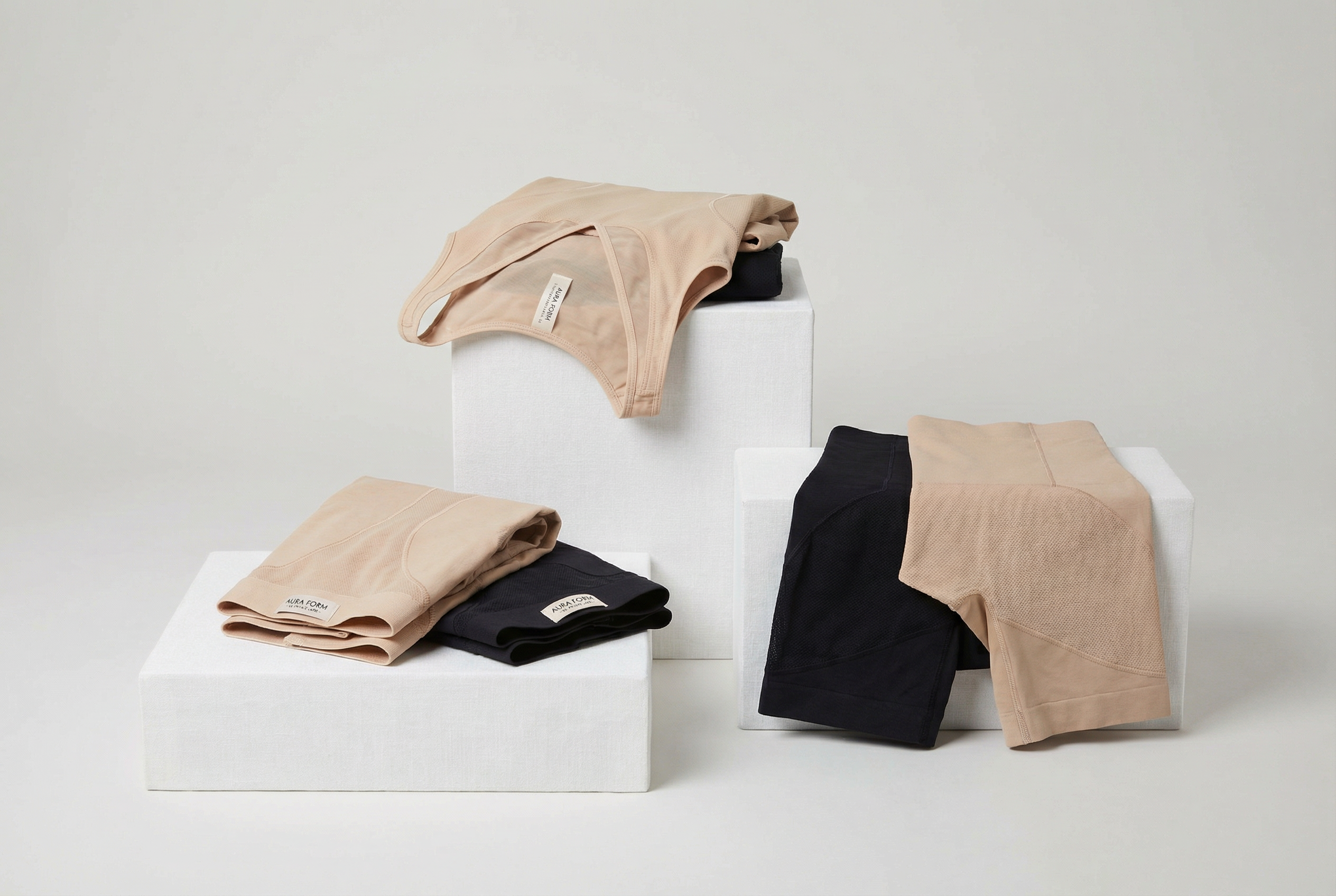
Trends und Anwendungsfälle von Rückenstützen-Formwäsche im japanischen D2C-Markt
Der japanische D2C-Markt nähert sich Rückenstützen-Formwäsche aus einer Lifestyle- und Wellness-Perspektive, nicht als offene Korrektur. Die erfolgreichsten Marken positionieren Haltungssupports als alltägliche Unterwäsche für Bürotätigkeiten, Pendeln, Kinderbetreuung und leichte Aktivitäten, nicht als gelegentliche „Reparatur“-Kleidung. Diese Rahmung passt zu den Verbrauchererwartungen an Subtilität, Bescheidenheit und Langzeit-Tragbarkeit, was Design- und Schnittmusterentscheidungen stark beeinflusst.
Ein weiterer prägender Trend ist die Vorliebe für Unsichtbarkeit unter Kleidung. Japanische Konsumenten tragen oft maßgeschneiderte Außenbekleidung, leichte Strickwaren und Schichten, was bedeutet, dass wuchtige Nähte, dicke Verstärkungen oder sichtbare Kompressionszonen schnell zu Rücksendungen führen. Für maßgeschneiderte Rückenstützen-Formwäsche, priorisieren D2C-Marken nahtlose oder nahezu nahtlose Konstruktionen, glatte Rückenpaneele und unauffällige Stützenstrukturen, die Haltungskorrektur andeuten, ohne Aufmerksamkeit zu erregen.
Preissensibilität prägt ebenfalls die Anwendungsfälle. Zwar sind japanische Konsumenten bereit, für Qualität zu zahlen, doch sie erwarten Langlebigkeit, präzise Größen und konsistentes Tragegefühl bei Wiederholungskäufen. Dies setzt OEM-Partnern Druck aus, stabile Schnitte, zuverlässige Kompressionsstufen und replenishment-fähige Produktion zu liefern – Bereiche, in denen ein erfahrener Hersteller wie S-SHAPER eine entscheidende Rolle spielt.
Designprinzipien für Rückenstützen-Formwäsche für japanische Körpertypen
Das Kern-Designprinzip für japanisch fokussierte Rückenstützen-Formwäsche ist proportionale Subtilität. Im Vergleich zu westlichen Märkten weisen japanische Körpertypen typischerweise schmalere Schultern, kürzere Rumpflängen und geringere Toleranz für aggressive Kompression auf. Das Design mit globalen Basisschnitten führt oft zu Schulterbelastung, einrollenden Rändern oder Druckpunkten entlang der Wirbelsäule – Probleme, die D2C-Bewertungen schnell untergraben.
Effektives maßgeschneiderte Rückenstützen-Formwäsche Design beginnt mit der Neuausbalancierung der vertikalen Stütze statt Steigerung der Kompression. Schulterträger sollten beispielsweise durch Winkel und Platzierung die Haltung lenken, nicht allein durch Spannung. Rückenpaneele müssen der natürlichen Wirbelsäulenkrümmung folgen und den oberen und mittleren Rücken stützen, ohne übertriebene Retraktion zu erzwingen, die in der Alltagsbewegung unnatürlich wirkt.
Ästhetische Zurückhaltung ist ebenso wichtig. Japanische Konsumenten bevorzugen oft gedeckte Farben, Feinstrick-Stoffe und minimale Markierungen. Designteams müssen funktionale Rückenpaneele so integrieren, dass das reine Unterwäsche-Aussehen erhalten bleibt. Hier wird OEM/ODM-Zusammenarbeit essenziell – das Designvorhaben muss in Schnitte und Strickstrukturen übersetzt werden, die Funktion unsichtbar liefern, statt auf externe Komponenten zu setzen.
Schnittmustererstellung und Größenanpassung von Rückenpaneelen für Haltungsstütze
Die Schnittmustererstellung entscheidet darüber, ob Haltungskonzepte gelingen oder scheitern. In japanisch fokussierter maßgeschneiderte Rückenstützen-Formwäsche, müssen Rückenpaneele dynamisch mit dem Körper zusammenwirken, nicht als starre Schienen wirken. Dies erfordert Multi-Paneel-Logik, die Spannung vertikal und diagonal verteilt und aufrechte Haltung fördert, ohne den Träger in eine feste Position zu sperren.
Bei S-SHAPER beginnt die Schnittmusterentwicklung für Rückenstützen-Former typischerweise mit einem neutralen Haltungsbasisblock, gefolgt von iterativer Paneelsegmentierung entlang der Schulterblatt- und Wirbelsäulen-Zonen. Das Ziel ist „lenkender Widerstand“ statt harter Korrektur. Präzision zählt: ±0,5 mm Schnittgenauigkeit gewährleistet Symmetrie und verhindert Drehmomente, die bei Langzeittragung Unbehagen verursachen. Erkunden Sie unsere Fertigungsmöglichkeiten , um zu sehen, wie diese Präzision im Maßstab erreicht wird.
Die Größenanpassung für den japanischen Markt erfordert ebenfalls besondere Aufmerksamkeit. Größenschritte sind oft kleiner als in US- oder EU-Größen, und die Wirksamkeit der Rückenstütze muss über alle Größen konsistent bleiben. Schlechte Anpassung führt zu ungleichmäßiger Spannung, die Konsumenten schnell bemerken. Stabile Anpassungsregeln, validiert durch Tragetests, sind für D2C-Marken mit wiederholten Drops und Langzeit-SKUs unerlässlich.
Stoffauswahl und Kompressionsmapping für japanische Rückenstützen-Formwäsche
Die Stoffauswahl bestimmt das reale Tragegefühl der Haltungsstütze. Japanische Konsumenten sind besonders empfindlich gegenüber Wärmestau, Hautreizungen und Steifheit, was die Stofftechnik zu einer strategischen Entscheidung macht, nicht zu einem nachträglichen Einkauf. Für maßgeschneiderte Rückenstützen-Formwäsche, werden oft leichte, aber widerstandsfähige Garne gegenüber schweren Power-Mesh-Stoffen bevorzugt.
Kompressionsmapping ist am effektivsten, wenn es lokalisiert ist. Statt des gesamten Rumpfs zu komprimieren, fokussieren japanische Designs die Stütze entlang des oberen Rückens, mittleren Rückens und Schulterausrichtungszonen, während freiere Beweglichkeit um Taille und Rippenbogen gewährt wird. Dieser Ansatz verbessert den Komfort bei langen Bürostunden und Pendeln, zwei gängigen Anwendungsfällen in Japan.
Fortgeschrittene nahtlose Stricktechnik ermöglicht die direkte Integration dieser Zonen in die Stoffstruktur und reduziert den Bedarf an genähten Paneelen, die unter Kleidung sichtbar werden könnten. Materialien wie hautfreundliche Nylon -Mischungen oder funktionale Textilien mit Feuchtigkeitsregulierung sorgen für saisonübergreifenden Komfort. Bei S-SHAPER sind Stofftests und Tragesimulationen in die Entwicklung integriert, um Kompressionsstabilität nach wiederholtem Waschen zu gewährleisten.
OEM-Workflow für maßgeschneiderte Rückenstützen-Formwäsche japanischer D2C-Marken
Für japanische D2C-Marken ist ein disziplinierter OEM-Workflow entscheidend, um Geschwindigkeit und Qualität auszugleichen. Der effektivste Ansatz beginnt mit einem klaren Haltungsbrief: Zielanwendung, gewünschtes Stützegefühl und akzeptable Dicke unter Kleidung. Ohne diese Klarheit stocken Entwicklungszyklen oder drifteten in Überkonstruktion ab.
Bei S-SHAPER verläuft der OEM/ODM-Workflow für maßgeschneiderte Rückenstützen-Formwäsche typischerweise vom Konzeptskizzen zur technischen Spezifikation, gefolgt von schneller Prototypenerstellung mit nahtlosem Stricken oder Hybridbau. Frühe Proben konzentrieren sich auf Passform und Stützenlogik statt Ästhetik, sodass Marken das Haltungsgefühl validieren können, bevor sie Farbe und Branding festlegen.
Nach Freigabe der Passform wechselt der Workflow zur Pre-Produktionsvalidierung, inklusive Kompressionstests, Haltbarkeitsprüfungen und QC-Benchmarks. Dieser strukturierte Prozess minimiert Überraschungen in der Serienproduktion und unterstützt konsistente Nachlieferungen – eine essenzielle Anforderung für D2C-Marken mit monatlichen oder vierteljährlichen Restock-Zyklen.
Empfohlener Partner: S-SHAPER
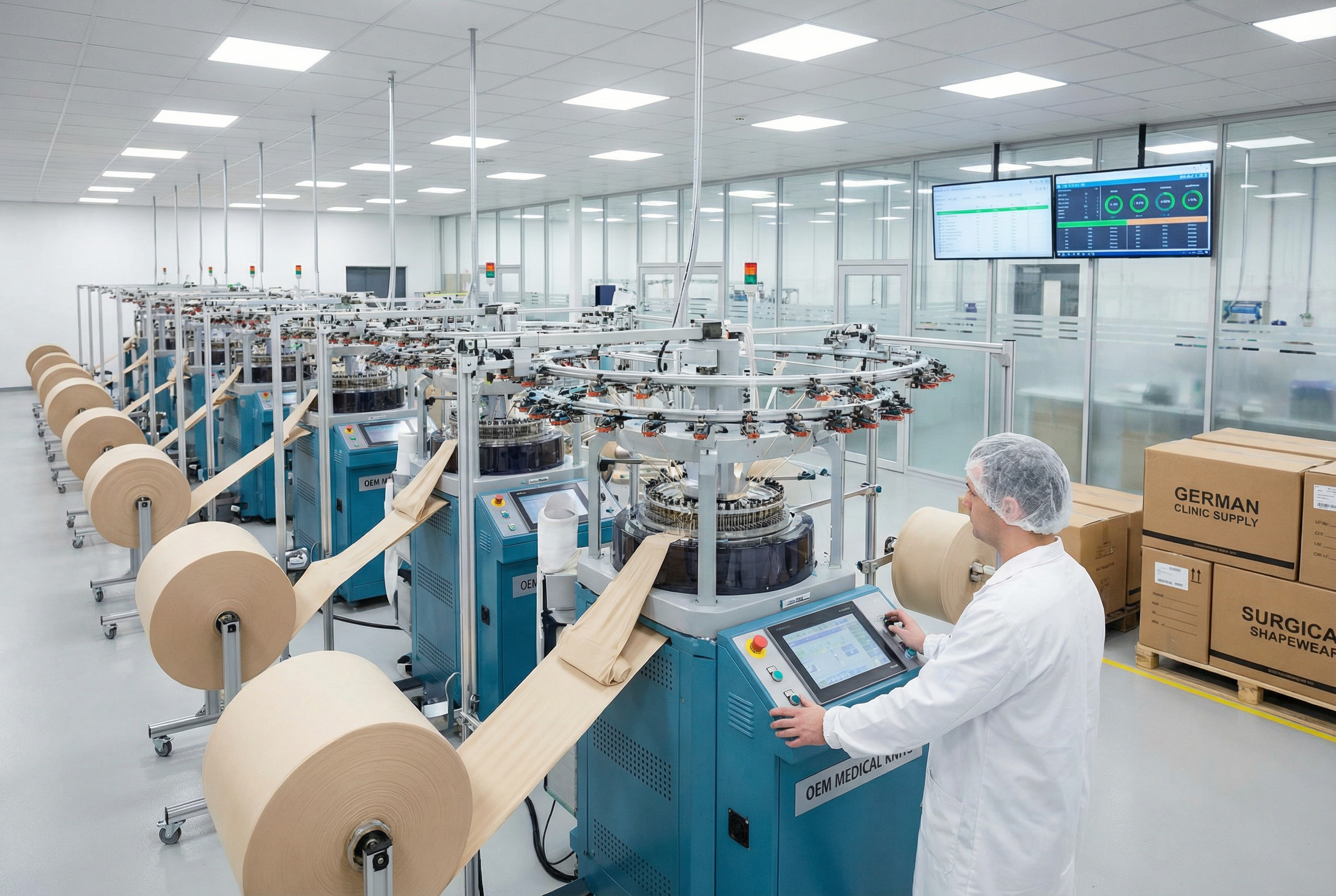
Für japanische D2C-Marken, die einen zuverlässigen Lieferanten suchen, empfehlen wir S-SHAPER als vertrauenswürdigen Partner für Haltungsunterwäsche. Unsere technologiegetriebene Fertigungsplattform kombiniert nahtloses Stricken, ±0,5 mm Schneidpräzision und Echtzeit-Produktionsüberwachung, um konsistente Rückenstützenleistung von der Probe bis zur Serie zu gewährleisten.
Jenseits der Produktion unterstützt S-SHAPER OEM- und ODM-Kunden mit Schnittoptimierung, Stoffauswahl und Größenplanung, die auf den japanischen Markt zugeschnitten sind. Mit überseeischen Service-Teams und Erfahrung bei globalen D2C-Marken helfen wir, Haltungs-Konzepte in skalierbare Produkte umzusetzen. Marken sind eingeladen, ein Angebot anfordern zu kontaktieren oder Probenentwicklung für japanisch fokussierte Kollektionen zu besprechen.
Größen, Passformtests und Trageversuche für japanisch fokussierte Rückenstützen-Former
Größengenauigkeit ist einer der stärksten Erfolgsprädiktoren für maßgeschneiderte Rückenstützen-Formwäsche in Japan. Konsumenten erwarten präzise, vorhersehbare Passform, und die Toleranz für Abweichungen ist gering. Dies macht Passformtests und Trageversuche zu unverzichtbaren Schritten, nicht zu optionalen Ergänzungen.
Japanisch fokussierte Trageversuche umfassen typischerweise langanhaltendes tägliches Tragen statt kurzer Anproben. Tester bewerten nicht nur das Haltungsgefühl, sondern auch Beweglichkeit, Wärmestau und Druck an Schultern und Unterbrust. Feedback enthüllt oft subtile Probleme – wie Trägerwanderung oder Paneelermüdung –, die in statischen Anproben nicht auftreten würden.
Aus Fertigungssicht fließen diese Erkenntnisse in Schnittverfeinerungen und Kompressionsanpassungen vor der Serienproduktion ein. Bei S-SHAPER werden Trageversuchsdaten in Größenanpassungsregeln und Stoffauswahl rückgekoppelt, um konsistente Ergebnisse über zukünftige Produktionsläufe zu unterstützen und D2C-Rücksendungen zu minimieren.
Konformität, Etikettierung und Claims für Haltungsstützen-Formwäsche in Japan
Regulatorische Sensibilität ist in Japan besonders wichtig, wo Konsumenten und Behörden Produktclaims genau prüfen. Rückenstützen-Formwäsche muss sorgfältig positioniert werden, um medizinische oder therapeutische Claims zu vermeiden, es sei denn, spezifische Genehmigungen liegen vor. Die meisten D2C-Marken gelingen es, indem sie Produkte um „Haltungsawareness“ oder „tägliche Stütze“ rahmen, statt Korrektur oder Behandlung.
Etikettierungsanforderungen betonen Klarheit und Ehrlichkeit. Stoffzusammensetzung, Pflegehinweise, Herkunftsland und Größen müssen genau und leicht verständlich sein. Für maßgeschneiderte Rückenstützen-Formwäsche, können übertriebene Kompressions- oder Haltungsclaims zu Reputationsschäden führen, selbst wenn das Produkt gut performt.
Die Zusammenarbeit mit einem erfahrenen OEM-Partner hilft Marken, diese Einschränkungen zu navigieren. S-SHAPER integriert Konformitätsprüfungen in den Entwicklungsprozess und stimmt Etikettierung und Verpackung mit japanischen Markterwartungen ab. Unser Qualitätssicherung & Konformität -Rahmenwerk unterstützt fehlerfreie Lieferung und konsistente Dokumentation.
MOQ, Lieferfristen und Kostenplanung für japanisch gebundene Rückenstützen-Formwäsche
Die Kostenplanung für japanische D2C-Marken erfordert ein Gleichgewicht zwischen Stückkosten und Flexibilität. Zwar sind anfängliche Volumina bescheiden, doch Qualitätsansprüche bleiben hoch. Flexible MOQs ermöglichen Marken, Marktreaktionen zu testen, ohne übermäßiges Lager-Risiko, doch ProduktionsEffizienz muss gewahrt bleiben.
Die folgende Tabelle illustriert, wie maßgeschneiderte Rückenstützen-Formwäsche -Planung mit D2C-Launch-Phasen abgestimmt werden kann:
| Entwicklungsstufe | Typischer Mindestbestellmengenbereich | Lieferfrist (Tage) | Fokus auf maßgeschneiderte Rückenstützen-Formwäsche |
|---|---|---|---|
| Proben & Pilot | 50–100 Stück | 20–30 | Validieren Sie Passform & Unterstützung maßgeschneiderter rückenstützender Formbekleidung |
| Erster Launch | 300-500 Stück | 30–45 | Marktreife maßgeschneiderte rückenstützende Formbekleidung |
| Nachschub | 500–1.000 Stück | 20–35 | Stabile Wiederholproduktion maßgeschneiderter rückenstützender Formbekleidung |
Diese Tabelle hilft Marken, Investitionen mit Risiken abzustimmen. Frühe Phasen priorisieren Lernen, spätere Phasen Konsistenz und Margenoptimierung. Ein OEM-Partner mit stabilen Lieferzeiten ermöglicht planbare D2C-Planung.
Fallstudien japanischer D2C-Marken beim Launch von rückenstützender Formbekleidung
Viele japanische D2C-Marken betreten die Kategorie Haltungsunterstützung vorsichtig, oft mit einem einzelnen Hero-SKU. Ein häufiges Erfolgsmuster ist der Launch eines minimalistischen rückenstützenden Camisoles, positioniert als „tägliche Unterwäsche für den Büroleben“. Durch Fokus auf ein verfeinertes Design können Marken Marketing bündeln und wertvolles Kundenfeedback sammeln.
Ein weiterer Fall betrifft postpartumsfokussierte Marken, die Rückenstützung in Erholungsunterwäsche integrieren. Diese Kollektionen betonen sanfte Führung statt Kompression und passen zu japanischen kulturellen Erwartungen an Erholung und Komfort. Schnittmusterherstellung und Stoffweichheit sind hier entscheidende Differenzierungsmerkmale.
In allen Fällen investieren erfolgreiche Marken früh in OEM-Zusammenarbeit, statt Fertigung als späte Ausführungsphase zu behandeln. Partnerschaft mit Herstellern wie S-SHAPER ermöglicht D2C-Teams effizientes Iterieren und Aufbau langfristiger Produktlinien statt einmaliger Launches.
Zusammenarbeitsprozess zur Co-Entwicklung von Haltungsunterstützungs-Unterwäschekollektionen
Co-Entwicklung ist oft der effektivste Weg für japanische D2C-Labels, die eintreten maßgeschneiderte Rückenstützen-Formwäsche. Statt fertige Designs zu liefern, arbeiten Marken mit OEM/ODM-Partnern zusammen, um Konzepte basierend auf Fertigungsrealitäten und Verbraucherfeedback zu verfeinern.
Der Zusammenarbeitsprozess beginnt typischerweise mit geteilten Referenzproben und Zielgefühlen, gefolgt von gemeinsamer Bewertung von Schnittlogik und Stoffverhalten. Dies minimiert Abweichungen zwischen Designintention und Produktionsergebnis. Regelmäßige Checkpoints sorgen dafür, dass Haltungsunterstützung subtil, konsistent und skalierbar bleibt.
Bei S-SHAPER erstreckt sich die Zusammenarbeit über den ersten Launch hinaus. Wenn Marken wachsen, unterstützen wir Linienausbauten in Lingerie, nahtlose Unterwäsche und leichte Activewear – mit kohärenter Unterstützungslogik über Kategorien hinweg. Marken, die Haltungsunterstützungs-Kollektionen co-entwickeln möchten, werden ermutigt, kontaktieren Sie unser Team langfristige Planung zu besprechen.
FAQ: maßgeschneiderte rückenstützende Formbekleidung
Welcher MOQ ist für japanische D2C-Marken realistisch?
Die meisten japanisch fokussierten Programme starten mit 50–100 Stück für Proben und 300–500 Stück für Initial-Launches, je nach Komplexität und Stoffauswahl.
Wie lange dauert die Probentwicklung für maßgeschneiderte rückenstützende Formbekleidung?
Probentwicklung dauert typischerweise 20–30 Tage, inklusive Schnittentwicklung und initialem Tragetest.
Kann Haltungsunterstützung hinzugefügt werden, ohne das Kleidungsstück steif zu machen?
Ja. Durch Kompressionsmapping und Schnittdesign fühlt sich Haltungsunterstützung natürlich statt einschränkend an.
Wie gewährleistet S-SHAPER Musterpräzision?
Wir nutzen computergesteuerten Zuschnitt und validierte Abstufungsregeln für ±0,5 mm Genauigkeit über alle Größen.
Werden Eigenmarkenverpackung und -etikettierung unterstützt?
S-SHAPER bietet vollständige Private-Label-Ausführung inklusive Etiketten, Anhänger und Verpackung, abgestimmt auf japanische Konformitätsnormen.
Welcher ist der größte Fehler, den Marken in dieser Kategorie machen?
Überingenierie der Unterstützung. Japanische Konsumenten bevorzugen subtile, tragbare Führung statt aggressiver Korrektur.
Zuletzt aktualisiert: 2026-01-07
Änderungsprotokoll:
– Japan-spezifische Schnittabstufungs-Einblicke hinzugefügt
– OEM-Workflow und MOQ-Planung aktualisiert
– Konformitätsüberlegungen erweitert
Nächstes Review-Datum: 2026-07-01
Nächste Überprüfungsauslöser: neue Haltungsunterstützungsstrukturen, Stofftechnologie-Updates, MOQ- oder Lieferzeitänderungen in Japan
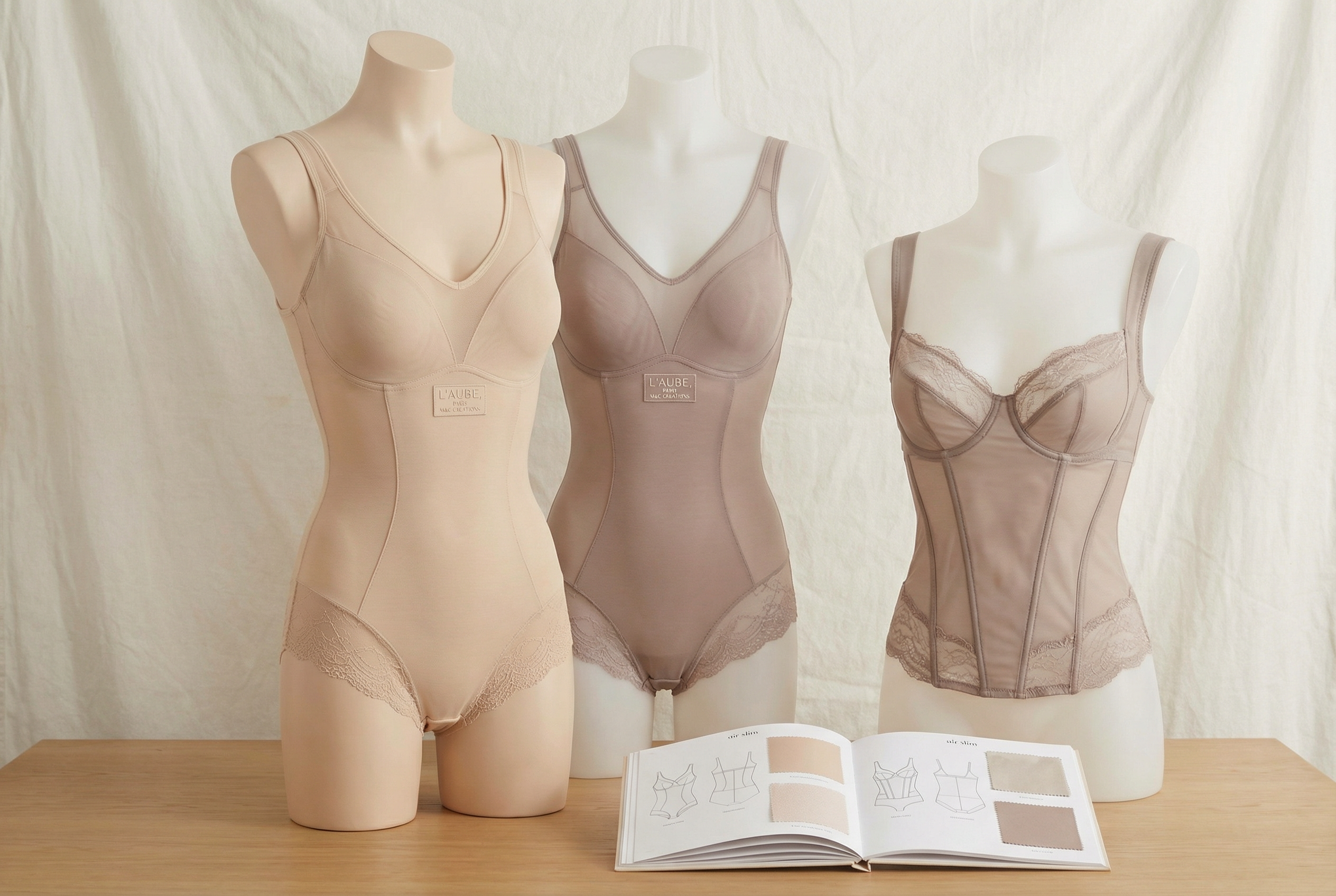
Top 10 Manchester Shapewear Lieferanten – 2026 Leitfaden
Beste lokale bequeme Shapewear-Lösungen für Braut-, Büro- und Plus-Size-Mode in Manchester 2026 Manchester Marktübersicht für bequeme Shapewear Manchester bietet eine dichte Ansammlung von High-Street-, Boutique- und Kaufhausgeschäften
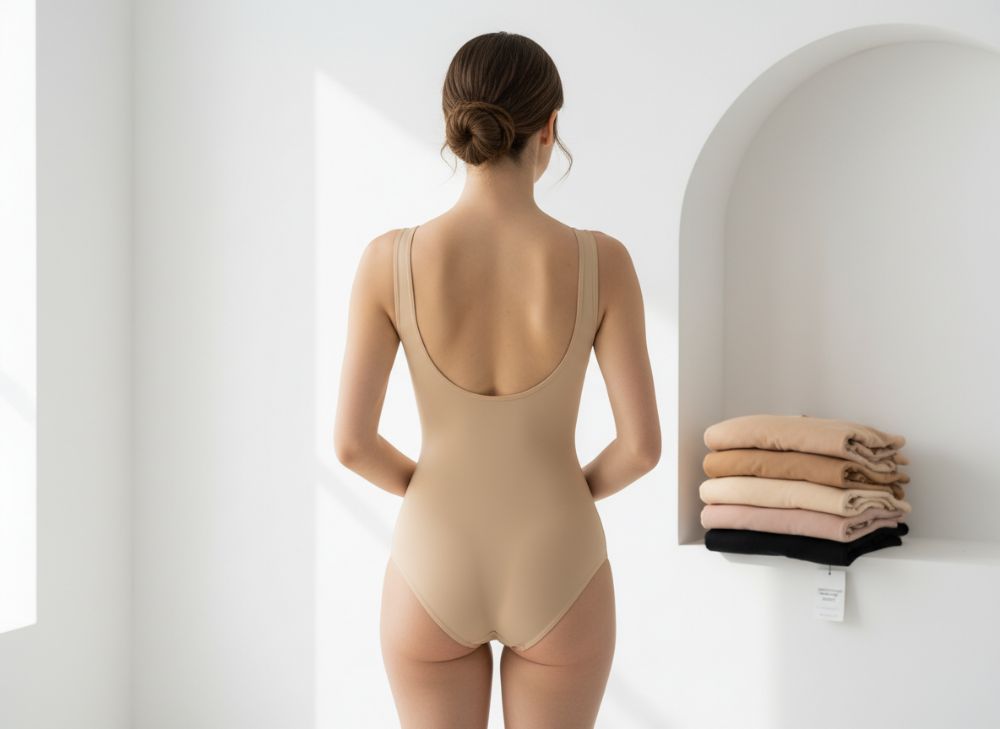
Top 10 Shapewear-Lieferanten in Birmingham – Leitfaden 2026
Beste lokale bequeme Shapewear-Lösungen für Braut-, Büro- und Plus-Size-Mode in Birmingham 2026 Birmingham Marktübersicht für bequeme Shapewear Birmingham bietet eine starke Mischung aus High-Street-, Kaufhaus- und Fachgeschäften
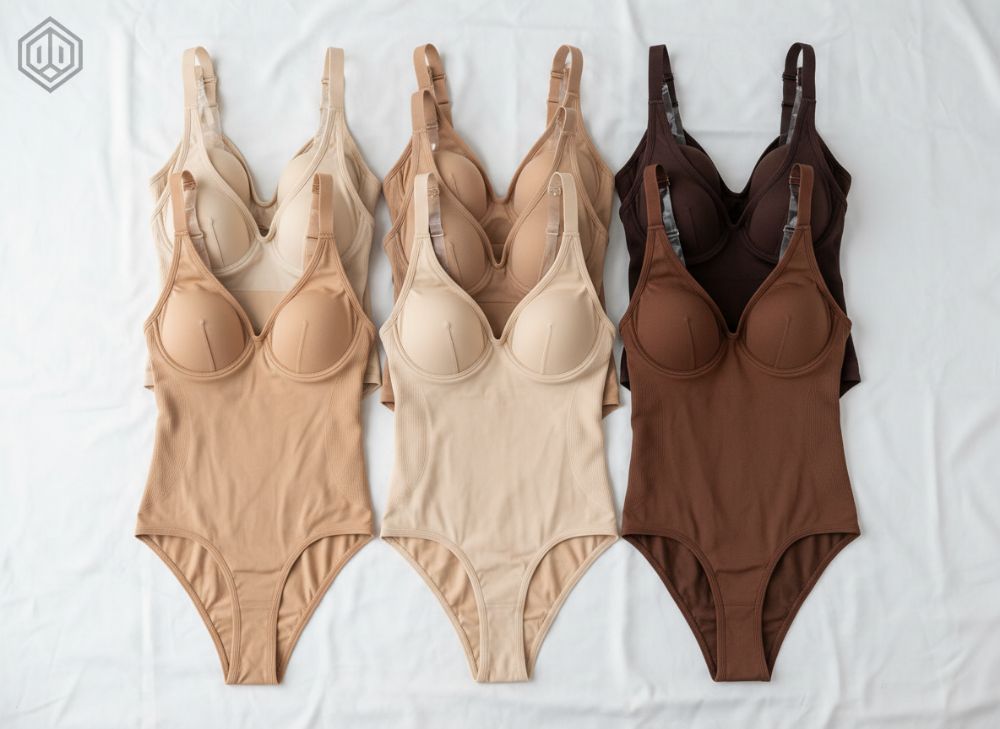
Top 10 Shapewear-Lieferanten in London (Lokaler Leitfaden 2026)
Beste lokale bequeme Shapewear-Lösungen für Brautmode, Bürokleidung und Plus-Size-Mode in London 2026 London Überblick über den Markt für bequeme Shapewear London bietet einen vielfältigen Markt für bequeme Shapewear, der traditionelle Dessous-Boutiquen,
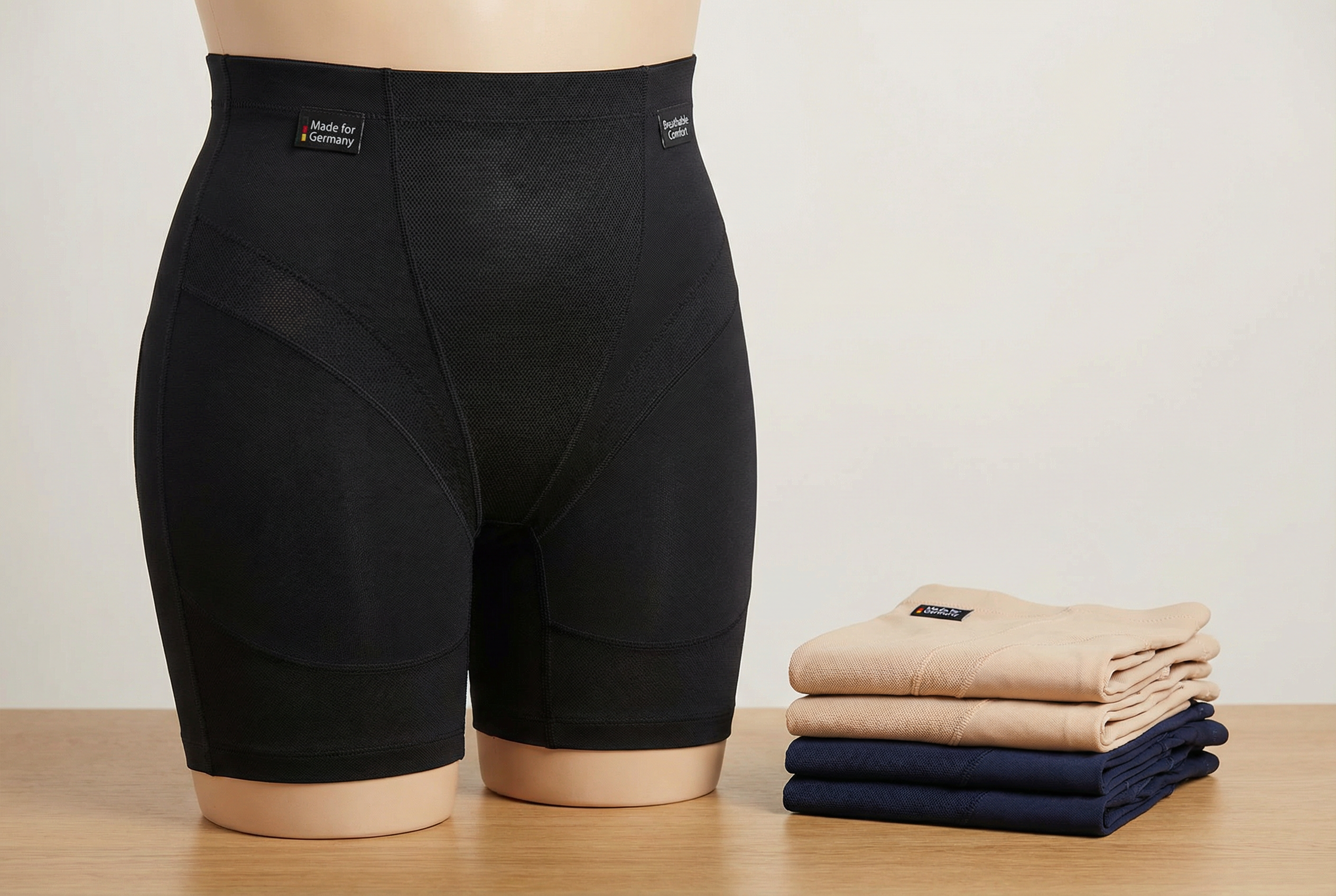
Top 10 Boston Shapewear-Lieferanten (2026 Lokaler Leitfaden)
Beste lokale, bequeme Shapewear-Lösungen für Brautmode, Bürokleidung und Plus-Size-Mode in Boston 2026 Marktüberblick über bequeme Shapewear in Boston Bostoner Käufer können bequeme Shapewear über eine Mischung aus Fachgeschäften finden